
Overcoming Barriers to Starting an Exercise Routine
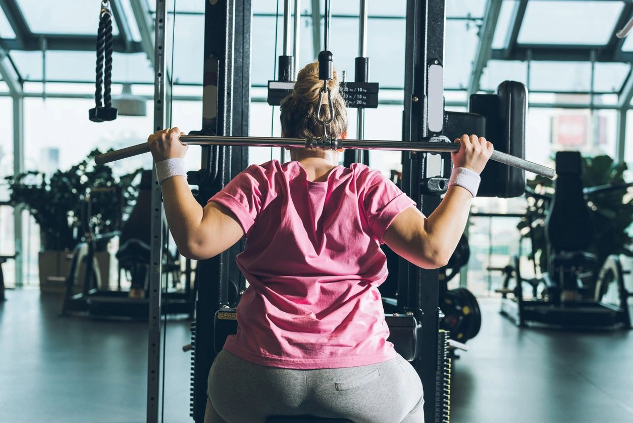
Many individuals face challenges when trying to start an exercise program, whether due to lack of motivation, time constraints, or resources. Understanding these barriers...


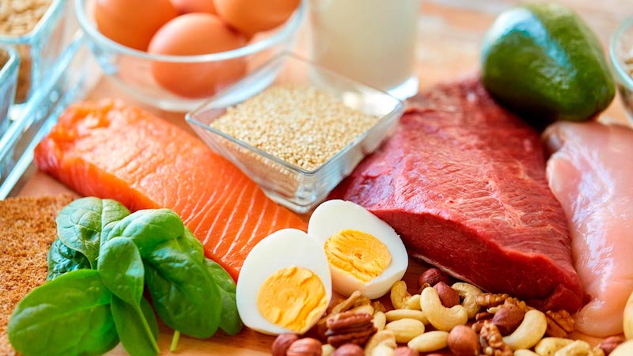
Protein intake is one of the most debated topics in nutrition. How much is enough, when should you eat it, and are plant proteins truly as good as animal sources? While protein fuels growth, repair, and energy balance, excess may strain the body. This article unpacks the myths and truths about protein intake and plant protein, offering clarity for a healthier, more balanced life.

Ginger is more than a flavorful spice, it’s a potent root with powerful effects on the body. While ginger benefits range from lowering blood pressure and cholesterol to easing digestion, ginger risks include side effects and drug interactions you can’t afford to ignore. Learn how to use ginger safely in root and powder form while maximizing its healing potential for heart health and overall well-being.

Proper hydration is more than just drinking water, it’s about fueling every cell in your body. Without it, dehydration signs sneak in: fatigue, headaches, mood swings, and even long-term health risks. This article unpacks why hydration matters, how to spot the warning signals, and simple ways to stay balanced. Hydration isn’t optional; it’s the foundation of your wellbeing.

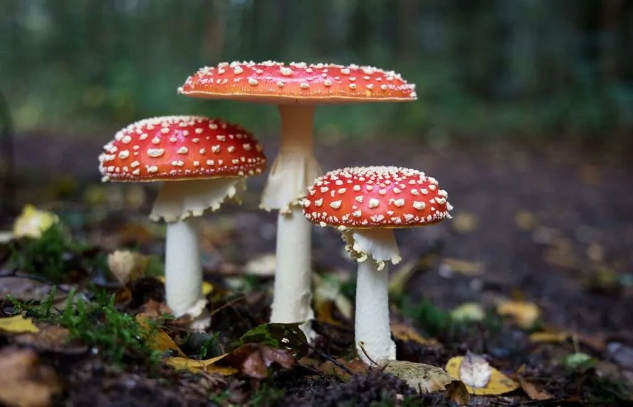
Microdosing mushrooms has become a wellness trend promising creativity, focus, and emotional balance. Yet psilocybin risks, legal, medical, and psychological, raise serious questions. Science suggests some benefits may be real while others are placebo-driven. By understanding both sides, we can approach microdosing mushrooms with awareness, discernment, and respect for its potential and its dangers.

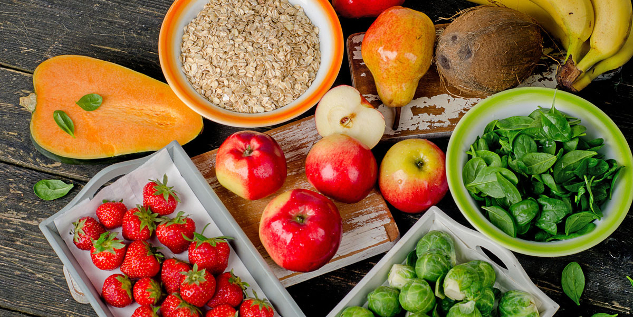
Soluble fiber is more than a digestive aid—it’s your body’s natural ally against high cholesterol and harmful toxins. By binding to cholesterol in the gut and promoting toxin elimination, soluble fiber reduces heart risks while boosting overall health. Learn how adding fiber-rich foods like oats, beans, and apples can transform your well-being, giving you both immediate and long-term benefits for heart and gut health.

As winter COVID surges escalate, mRNA cuts in vaccine research and funding shortfalls may hinder vital protection, raising concerns not only about infection but also the risk of cancer relapse, given new evidence that respiratory infections can awaken dormant tumor cells. This winter may bring unexpected health threats; here's what you need to know, and how renewed collaboration and shared trust in science can change the story.

New research reveals why seaweed nutrition hasn't caught on in Western countries despite being the ultimate sustainable food. While Japanese consumers eat it daily, cultural familiarity trumps environmental and health benefits in the UK and US. Scientists found that making this climate-friendly superfood mainstream requires more than promoting its nutritional value - it needs cultural integration and strategic positioning to overcome deep-rooted dietary habits.

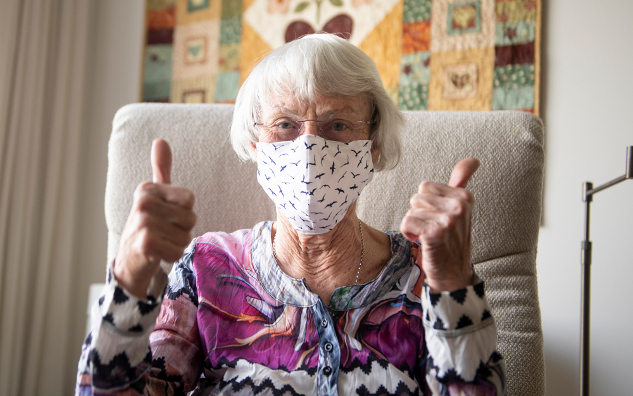
Viral infections don’t just pass through our lives; they can stir up the body in ways we’re still learning about. If you’ve wondered whether viral infections could reawaken dormant cancer, you’re not alone. While human evidence is still developing, there are practical steps you can take to feel safer during public outbreaks. This guide offers calm, doable choices, masks, ventilation, smart timing, so you can protect your health without living in fear.

After a rich meal, your blood fats rise for hours. That rise, called postprandial lipids, may briefly stress the body’s vessels, including those that help the brain keep blood flow steady through a process called cerebral autoregulation. Human evidence is still developing, but you can take simple, low-burden steps after high-fat meals to feel safer and more in control. This guide shows you how, in plain language you can use today.

As we age, our bodies demand more from our food choices. Better nutrition isn't optional, it's essential for healthy aging, energy, and long-term wellness. In this article, we explain why diet becomes more critical with age, and offer realistic, empowering steps to clean up your act, starting today. Yes, it’s not too late to feel better, live longer, and reclaim control over your health.

Workplace flexibility isn’t just a trend, it’s a competitive edge. From remote work to flex hours, companies that embrace flexible work policies attract top talent, increase productivity, and boost morale. Employees gain autonomy and better work-life balance, while employers see higher engagement and retention.

Imagine stepping into your garden and hearing the soft flutter of wings, the rustle of tiny paws beneath the leaves, and the cheerful song of a wren perched nearby. This isn’t just a pleasant daydream, it’s something you can nurture right outside your door. Creating a garden that’s safe for birds, wildlife, and other critters isn’t about being perfect. It’s about becoming a partner in life’s intricate web. And the beautiful part? Every small effort you make has the power to ripple outward.

You’ve probably been told your whole life to “eat more fiber.” It sounds simple enough, right? A sprinkle of bran here, a handful of leafy greens there. But what if I told you that too much of this good thing can actually backfire? Yes, fiber is essential—but balance is the secret ingredient. Let’s walk through why fiber matters, what kinds your body truly needs, and how to make it your digestive system’s best friend, not its worst enemy.

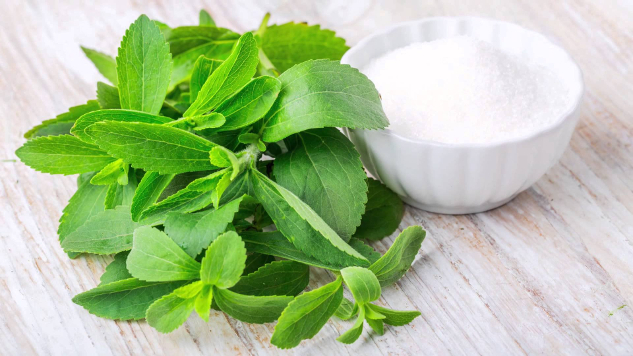
Can a sweet plant used in your morning coffee hold the key to treating one of the deadliest cancers in the world? Scientists in Japan say yes—if that plant is fermented and dosed with a little microbial alchemy. In a breakthrough study, fermented stevia leaf extract showed it could selectively kill pancreatic cancer cells while sparing healthy tissue. What does this mean for the future of medicine—and for the billions of dollars poured into pharmaceutical R&D?

The triple-peak workday—early emails, nonstop pings, and late-night replies—is breaking workers down. Digital burnout and blurred boundaries are fueling exhaustion and rudeness in modern workplaces. But this isn’t inevitable. From tech solutions to culture shifts, this article explores what organizations and individuals can do to fix the flaw in today’s work design—and finally reclaim sanity, focus, and recovery.

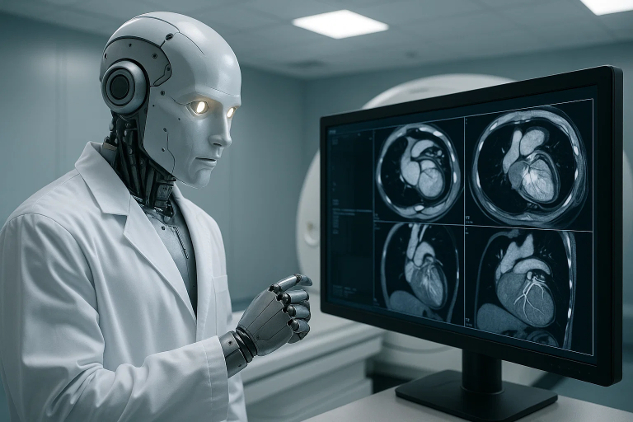
What if an AI could warn you before your heart stops? Not in some distant future, but now—today. In hospitals, clinics, and research labs, artificial intelligence is not just promising change—it’s outperforming doctors. And when it comes to predicting sudden cardiac arrest, one new model might be saving lives before symptoms even appear. It’s called MAARS, and its impact on heart disease could be revolutionary.

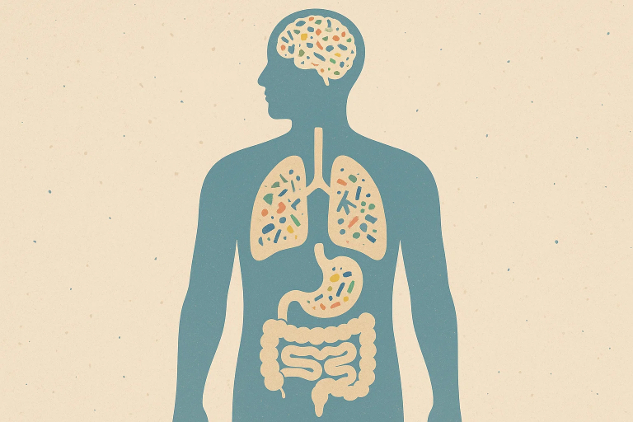
Microplastics aren’t just floating in the Pacific garbage patch—they're in your morning toast, your toddler’s sippy cup, and yes, even in your blood. We’ve turned the planet into a snow globe of plastic, and every time we breathe, eat, or drink, we shake it up and swallow the flakes. If that doesn’t concern you, it should.

Picture this: your heart is racing after a tense day at work, your mind swirling with deadlines and responsibilities. Then a golden retriever ambles over, rests its head on your knee, and gazes up with soft, trusting eyes. In that moment, something inside you loosens. Your breath deepens. The tension begins to melt. That’s not just your imagination—science says there’s something real and powerful happening when animals and humans connect.

Ever notice how every time someone talks about obesity, they point fingers at the couch? “People just don’t move like they used to,” they say, with the smug assurance of someone who thinks the cure for rising waistlines is a gym membership and a better attitude. But what if the real problem isn’t about how much we move—but about what the system is feeding us?

Great leaders know when to stop chasing growth and start shaping it. Doing less might just be your smartest move yet.

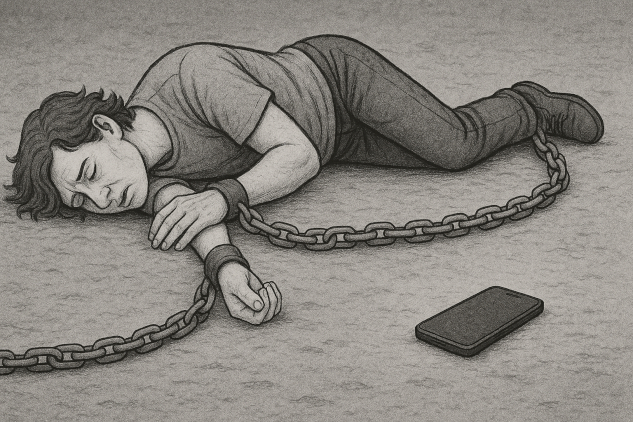
We’ve grown so attached to our smartphones that losing sight of one—even for a moment—can send our hearts racing. But what if that spike in panic wasn’t just about missing a call? What if it was something deeper: a disconnection from a part of ourselves?