
Planets & Transits
New Moon in Leo August 12, 2026
The New Moon arrives in Leo August 12 at 8:36 PM UTC, and with it comes a singular...









Many individuals face challenges when trying to start an exercise program, whether due to lack of motivation, time constraints, or resources. Understanding these barriers and how to address them can lead to a successful fitness journey. This article explores effective strategies and tips to make exercise a sustainable part of daily life.

Brussels sprouts, often misunderstood and maligned, are a nutritious and versatile vegetable that can be enjoyed year-round. With a history dating back to Roman times and a wealth of health benefits, these sprouts deserve a place on the dinner table beyond the holiday season. Innovative cooking methods can transform their flavor and texture.

Conscious relaxation is a transformative practice that allows individuals to detach from stress and discomfort in the body. By engaging in mindful breathing and accepting bodily sensations, one can foster a deeper awareness, leading to emotional clarity and physical well-being. This approach encourages acceptance over resistance, promoting healing and bliss through alignment of body and mind.

The phenomenon of being 'hangry'—irritability due to hunger—has roots in psychological and physiological mechanisms. Research indicates that hunger can distort emotional perceptions, particularly in negative situations. Awareness of these feelings may help mitigate hangry responses, suggesting that managing hunger is essential for emotional regulation.

Research indicates that replacing car travel with more active methods like walking, cycling, or public transport can significantly lower the risk of heart disease, stroke, and premature death. The study analyzed over 350,000 adults, revealing that active commuting is linked to an 11% reduction in heart disease risk and a 30% reduction in mortality from heart disease.
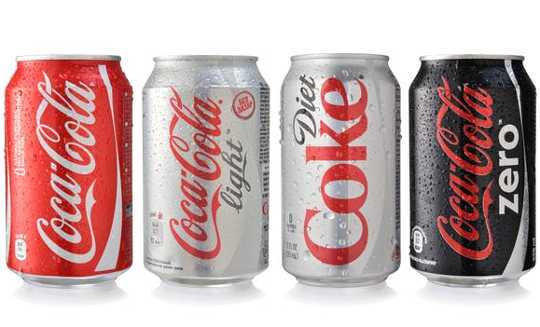
Artificial sweeteners, commonly found in diet sodas, are linked to rising obesity and diabetes rates. While marketed as healthier alternatives, recent studies suggest they may disrupt metabolic processes and alter gut microbiomes, potentially increasing the risk of chronic diseases. This article explores the implications of these sweeteners on health and policy.

You wake up one morning and decide that today is different. Maybe it was last night that finally did it, or maybe it was a slow, quiet knowing that has been building for months. Either way, quitting alcohol is one of the most courageous and complicated things you can do for yourself, and your body and mind are about to go through something profound.

Despite long-standing beliefs, caffeine is not a significant diuretic and does not necessarily lead to dehydration. Recent studies reveal that regular caffeine intake builds tolerance to its diuretic effects, making caffeinated beverages comparable to water in terms of hydration. Understanding this can help improve fluid intake and health.

A recent study reveals that engaging in social activities can significantly enhance the mood of individuals experiencing depression. By participating in fun experiences with friends, those suffering from depressive symptoms can anticipate positive outcomes, which may lead to improved emotional well-being, challenging previous research that indicated limited responsiveness to positive stimuli.

Here is an inconvenient fact that most grocery shoppers never consider: the tomato sitting in your supermarket cart may have traveled 1,500 miles before it reached you, spending days in refrigerated transit while its nutritional content quietly degraded. The distance your food travels is not just an environmental concern — it is a direct variable in how much nourishment you actually receive. Understanding why local food is healthier means understanding the mechanics of what happens to nutrients between harvest and plate.
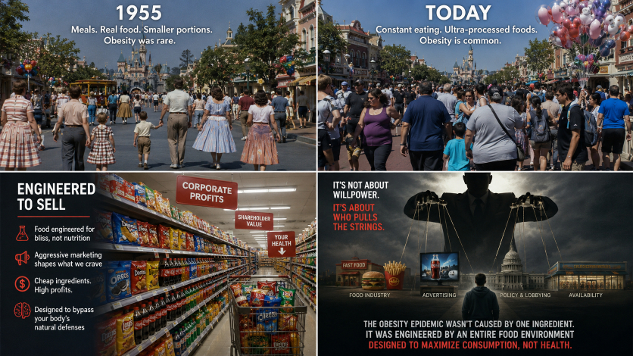
Pull up a photograph of Disneyland on opening day in 1955 and set it beside one taken last summer. The difference in the crowd's body sizes is not subtle, and it has nothing to do with willpower, laziness, or personal failure. Something happened between then and now, and it wasn't human nature that changed.

A recent French study reveals that working long hours, particularly ten or more daily, significantly raises stroke risk, especially among younger white-collar workers. This trend correlates with poor mental health, sleep quality, and increased unhealthy behaviors. The findings highlight the urgent need to reevaluate work-life balance and employer practices to mitigate these health risks.

Regularly energizing and balancing energy centers is essential for overall well-being. Simple exercises can help identify imbalances and enhance physical and mental health. These practices involve breathing techniques and color visualization to harmonize energy flow, providing immediate relief and promoting a balanced state throughout the day.

A study on mice reveals that exposure to fracking chemicals in utero may harm the immune system of female offspring, increasing susceptibility to diseases like multiple sclerosis. Researchers found that certain endocrine-disrupting chemicals in fracking fluids can lead to abnormal immune responses, highlighting potential health risks for those living near fracking sites.

With the diet industry booming, intermittent fasting has gained popularity as a weight loss solution. However, recent studies reveal that it may not be more effective than traditional calorie restriction for weight loss and health improvement. Understanding these findings can help individuals choose the best approach for their dietary needs.

Recent research reveals that genetics play a significant role in determining whether individuals prefer coffee or tea. Specific bitter taste receptor genes influence how people perceive the bitterness of caffeine and other compounds, affecting their consumption habits. This discovery highlights the complex interplay between genetics and dietary choices.

Obesity is often blamed on poor diet and lack of exercise, but hormonal imbalances also play a significant role. Key hormones like leptin, cortisol, estrogen, and insulin affect appetite, metabolism, and fat storage, revealing that weight issues may extend beyond personal choices. Understanding these hormones can provide insights into effective weight management strategies.

In a fast-paced world where attention spans are dwindling, mindfulness and meditation offer powerful tools for achieving mental clarity and emotional balance. By integrating these practices into daily life, individuals can enhance their well-being, reduce stress, and unlock their innate potential. Discover how to cultivate mindfulness and utilize techniques for a more harmonious existence.

Most people don't think about balance until the day they grab a wall to keep from going down. That grab is your nervous system waving a flag. The good news is your brain is far more trainable than anyone told you, and it's not too late to start the conversation.

A vaccine designed to prevent a painful skin rash may be doing something scientists never expected: quietly protecting the aging brain. Study after study is pointing toward a surprising connection between shingles vaccination and a lower risk of dementia. What if one of the keys to guarding your mind has been hiding in plain sight all along?

Most people preparing for sleep will dim the lights, adjust the thermostat, or silence their phones. Almost nobody thinks about the air they are breathing. Yet the sense of smell has a direct pathway to the most ancient parts of the human brain, and civilizations around the world understood this long before neuroscience had words for it.
The New Moon arrives in Leo August 12 at 8:36 PM UTC, and with it comes a singular...

Life will always hand us criticism, disappointments, and unexpected challenges. The real...

A study reveals that while many online daters strive for honesty, a notable percentage...

Mars is entering Cancer on August 12 and this shift changes how you move through...

There is a moment most of us remember — standing in front of someone we loved, arms...
Recent research explores the complex dynamics of altruistic cruelty, revealing that...

You imagined the newborn haze would be hard, but you did not quite picture yourself...

What if peace of mind depends not on remembering every hurt, but on keeping only the...