
Planets & Transits
New Moon in Leo August 12, 2026
The New Moon arrives in Leo August 12 at 8:36 PM UTC, and with it comes a singular...









Chronic stress has profound effects on the brain, leading to conditions like anxiety and memory impairment. The hippocampus suffers significantly from constant stress hormones, while the frontal lobes, crucial for decision-making, become compromised. Neurofeedback and dietary changes can help combat these issues, promoting better mental health and societal stability.

Many individuals discover profound wisdom through personal tragedies, but it is possible to learn from others without experiencing disaster. Embracing self-induced healing and fostering love and belief can lead to remarkable transformations. This article explores how to cultivate a nourishing life, empowering oneself for healing and growth.

You do not have to white knuckle your way through menopause. This transition is a whole body shift that touches mood, sleep, weight, relationships, and the story you tell yourself about aging. In plain language and with practical steps you can use today, this guide shows what to expect and how to feel more like yourself while your hormones do their dance.
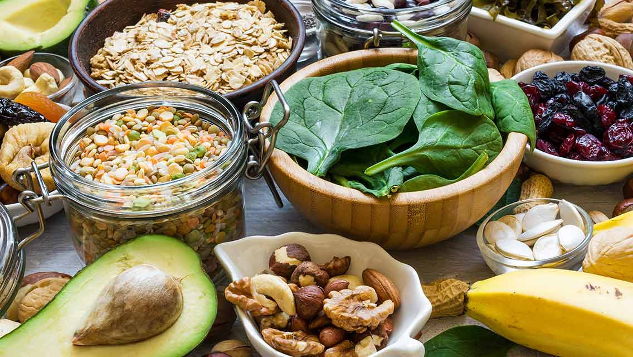
This comprehensive guide explores essential minerals, their health benefits, symptoms of deficiencies, and natural food sources. From calcium and magnesium to zinc and selenium, understanding these nutrients helps in maintaining overall health and preventing various ailments. Learn how to incorporate them into your diet effectively.

You notice it in family photos first. Grandmothers and great-aunts seem to linger, telling stories that bridge generations. Grandfathers are there too, but more often as memories. Across countries and centuries, women tend to live longer than men. The reasons are not a single magic gene or one tidy behavior change. It is a braid of biology, culture, and care that pulls life in a slightly longer arc for women—and we can learn from every strand.
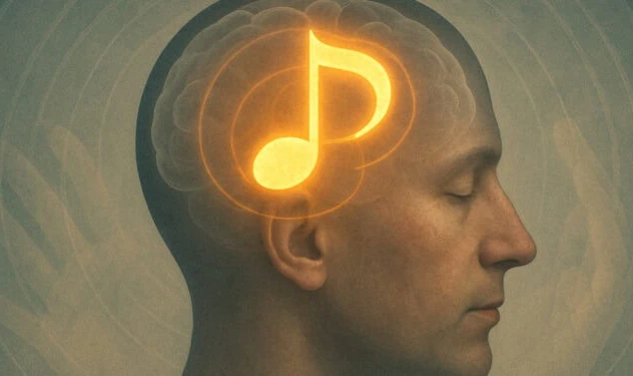
Why does a chorus loop in your head while you are trying to work, drive, or sleep? Earworms—those catchy fragments known in research as involuntary musical imagery—are normal, but not random. Today’s science points to predictable triggers, design features in music, and simple ways to loosen their grip without waging war on your own mind.
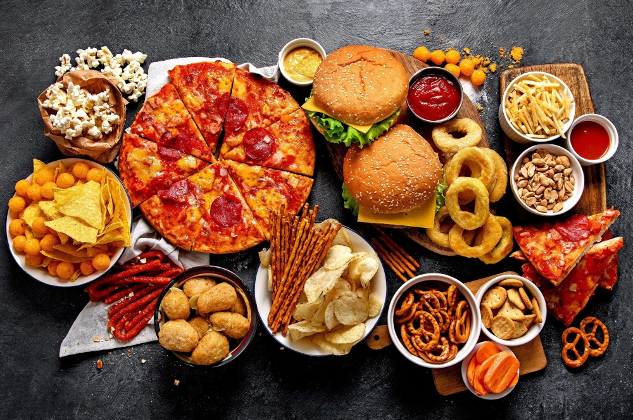
You’re not weak for craving chips at 9 p.m. or ice cream after a long day. Ultra-processed foods are designed to hook your attention, light up your reward system, and slip into your routines until they feel like comfort, company, even relief. If you’ve tried to “just eat less” and felt defeated, you’re not broken—the system is. Here’s a kinder, science-grounded way to regain your footing, one doable choice at a time.
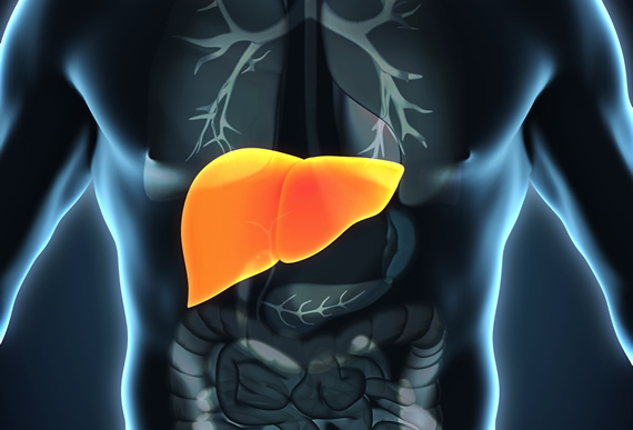
Your brain isn’t a mystery box. It’s a hungry neighbor tied to your liver by a short fence and a long memory. A new clinical study shows that trimming liver fat in just two weeks can also dial down brain chemicals linked to toxicity and inflammation. That’s not a diet ad. That’s a reminder: capacity rules. The body runs on parts, power, pathways—and plain food.

Defective imports from China pose significant risks to consumers in the United States, particularly concerning vegetables. Issues range from illegal pesticide use to harmful chemical treatments. Key vegetables like garlic, mushrooms, soybeans, taro, and corn have been linked to alarming production practices, raising concerns about food safety and health risks.

Picture a glass that promises connection, ease, or celebration. Alcohol can feel like a shortcut to softer edges—but your body keeps the full ledger. Even small amounts affect sleep, mood, blood sugar, and cancer risk; bigger amounts raise blood pressure, injury risk, and strain on your liver and relationships. This warm, nonjudgmental guide translates the science into everyday language and offers gentle, doable steps to protect your health—so you can choose with clear eyes and a kind heart, whether that means drinking less or not at all.
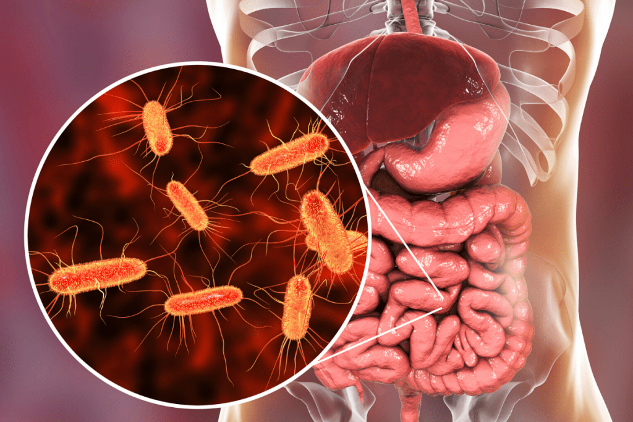
Imagine a bustling neighborhood living inside you—trillions of tiny neighbors chatting, building, and tidying up. That’s your gut microbiome, and when it’s cared for, you feel it everywhere: steadier energy, calmer digestion, brighter mood, even better sleep. In this friendly guide, you’ll learn what the microbiome is, why it matters so much for whole-body health, how to nourish it day by day, and what common habits quietly throw it off course.
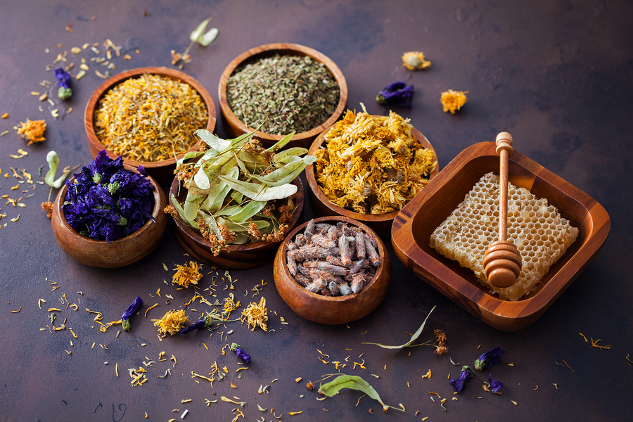
Open your spice drawer and think of it as a tiny wellness kit. The everyday herbs and spices you already cook with—turmeric, ginger, cinnamon, garlic, oregano, rosemary, cumin, and more—carry plant compounds that can gently support mood, metabolism, immunity, and digestion. Used in normal kitchen amounts, they add color and comfort to your meals while helping you nudge ultra-processed ingredients aside. Here’s a warm, practical guide to which ones to invite in daily, how to use them safely, and what to avoid so your body gets the benefits without the buzzkill.
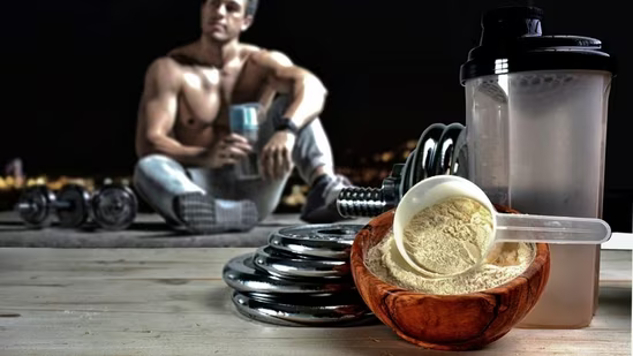
Are you eating too little protein — or falling for marketing hype? Many families misunderstand how much protein they truly need. This article separates protein myths from reality, revealing how to recognize real deficiency, how needs shift with age and lifestyle, and why more isn’t always better. Learn how to balance quality and quantity for genuine health and energy.

Most people don’t think about blood pressure until a doctor frowns at their chart. Yet those two numbers — systolic and diastolic — are often the earliest and loudest signals of what’s coming for your heart, your brain, and your future. Now, the 2025 blood pressure guidelines are shifting the ground beneath our feet, redefining what’s considered healthy and pushing us toward action earlier than ever before. This isn’t just another tweak to medical jargon. It’s a wake-up call — one that could mean the difference between a long, vibrant life and a slow, preventable decline.

The 2025 government shutdown isn’t a budgeting exercise. It is a mirror held up to a political habit that never seems to die. EMTALA—the Reagan-era law requiring hospitals to treat anyone in an emergency—was once sold as a moral floor. Today, the same party that wrote it waves it like a warning flag and blames Democrats for the bill. That’s not governance. That’s a shell game with the lights off and your wallet on the table.

Vaccines have been one of humanity’s greatest achievements, saving millions of lives and billions in healthcare costs. Yet rising vaccine hesitancy in the U.S. now threatens to undo decades of progress. From measles resurging to preventable deaths increasing, the stakes are higher than ever. Understanding vaccine benefits, and the danger of hesitancy, may be the key to protecting both public health and America’s future.

Diabetes and dementia are more connected than most realize. New research shows that people with type 2 diabetes face a higher dementia risk, but careful blood sugar management can dramatically change the outcome. The diabetes dementia link isn’t just about genetics or aging, it’s about daily choices and medical care. This article explores what the science reveals and how you can protect your brain health starting now.
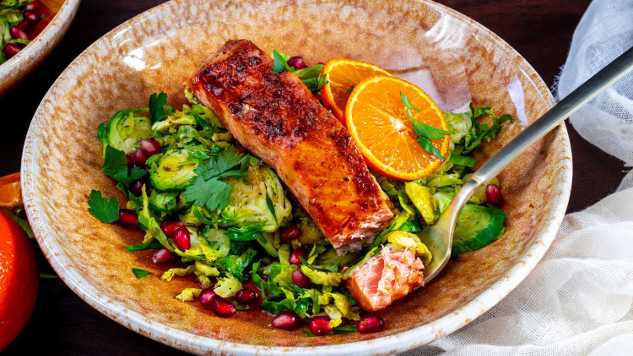
Wild salmon and farmed salmon may look similar on your plate, but the differences run deep. From flavor and texture to nutrition, safety, and sustainability, each carries its own story. Choosing between them isn’t just about taste, it’s about your health and the planet’s future. Let’s break down the wild salmon vs. farmed salmon debate so you can make choices that align with your values.
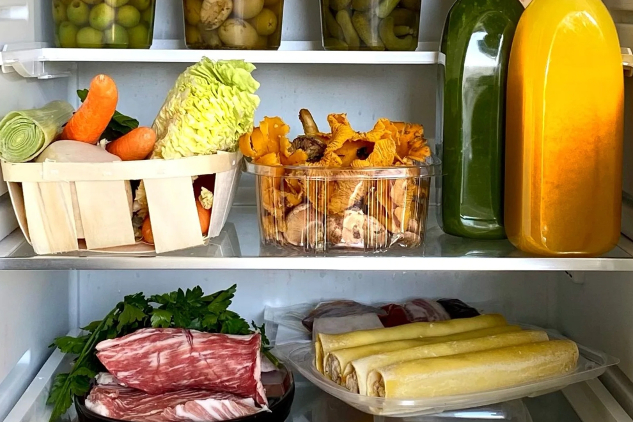
Most people don’t realize their fridge storage habits may be shortening the life of their food and even risking food safety. From eggs and berries to herbs and leftovers, small mistakes can make a big difference. This article reveals the top fridge storage errors you might be making and shows you simple ways to keep your food fresh, safe, and delicious longer.
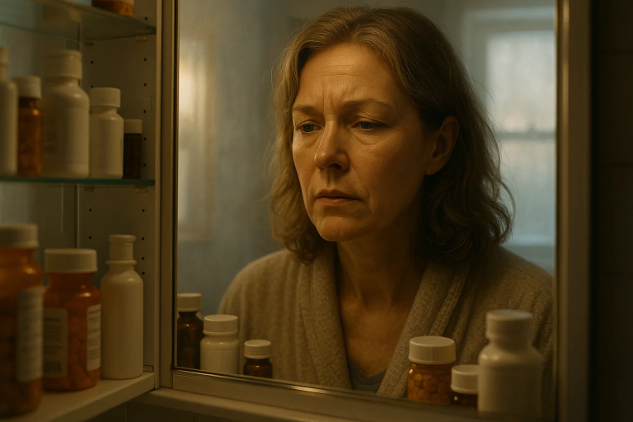
By the time you reach your 50s or 60s, the little orange bottles often seem to multiply. A pill for blood pressure, one for cholesterol, another for sleep, maybe something for anxiety or digestion. Each prescription feels reasonable on its own, but one day you look at the row of bottles lined up on the counter and wonder, when did my life become a pharmacy shelf? And more importantly, are these midlife medications helping me, or are they quietly stealing away my vitality?
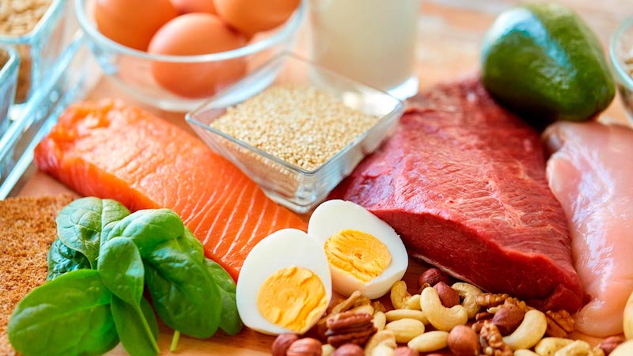
Protein intake is one of the most debated topics in nutrition. How much is enough, when should you eat it, and are plant proteins truly as good as animal sources? While protein fuels growth, repair, and energy balance, excess may strain the body. This article unpacks the myths and truths about protein intake and plant protein, offering clarity for a healthier, more balanced life.
The New Moon arrives in Leo August 12 at 8:36 PM UTC, and with it comes a singular...

Life will always hand us criticism, disappointments, and unexpected challenges. The real...

A study reveals that while many online daters strive for honesty, a notable percentage...

Mars is entering Cancer on August 12 and this shift changes how you move through...

There is a moment most of us remember — standing in front of someone we loved, arms...
Recent research explores the complex dynamics of altruistic cruelty, revealing that...

You imagined the newborn haze would be hard, but you did not quite picture yourself...

What if peace of mind depends not on remembering every hurt, but on keeping only the...