
Planets & Transits
New Moon in Leo August 12, 2026
The New Moon arrives in Leo August 12 at 8:36 PM UTC, and with it comes a singular...








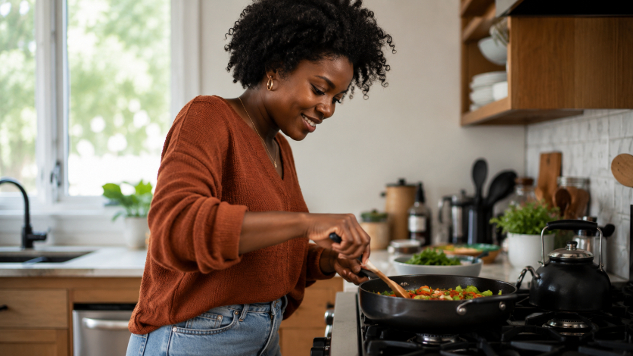
There is something quietly powerful that happens when you stand at a stove, stirring something real. Home cooking has long been tied to comfort and tradition, but science is now catching up to what grandmothers have known for generations: preparing your own food changes not just what you eat, but how you feel, how you connect, and who you become. If you have been meaning to cook more at home but keep finding reasons to order out, this article is your gentle nudge back to the kitchen.
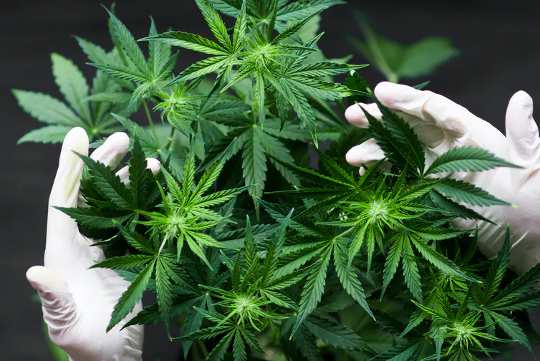
Recent research reveals the complex relationship between cannabis use and memory. While THC may impair short-term memory, CBD could offer protective benefits for neurodegenerative diseases. The impact of cannabis on memory varies greatly depending on the type and dosage, highlighting the need for a nuanced understanding of its effects.
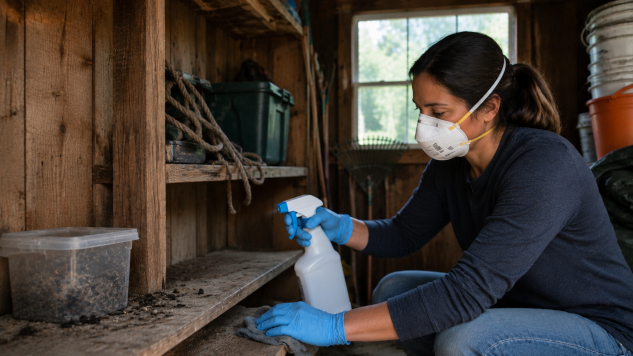
You are cleaning out a dusty garage or an old shed, and it feels like a perfectly ordinary afternoon chore. But tucked inside that pile of old insulation or behind that forgotten box of holiday decorations, there could be something invisible and genuinely dangerous waiting. Hantavirus is one of those health threats that most people have never thought about until they absolutely have to, and understanding it could make all the difference.

Recent research highlights the significant influence of marital status on dementia risk, revealing that married individuals are less likely to develop the condition as they age. In contrast, divorcees face a doubled risk, with divorced men particularly affected. This study sheds light on the complexities of social factors impacting cognitive health in older adults.
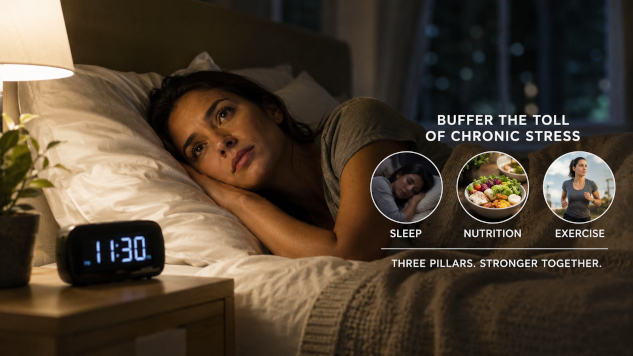
You already know chronic stress is bad for you. You have heard it a hundred times, probably while you were stressed. But what if the advice you have been given about fighting back against stress has been putting the emphasis in the wrong place all along? New research suggests that when it comes to protecting your body and mind from the long-term damage of chronic stress, what you eat and how you sleep may matter far more than how many miles you log on the treadmill.
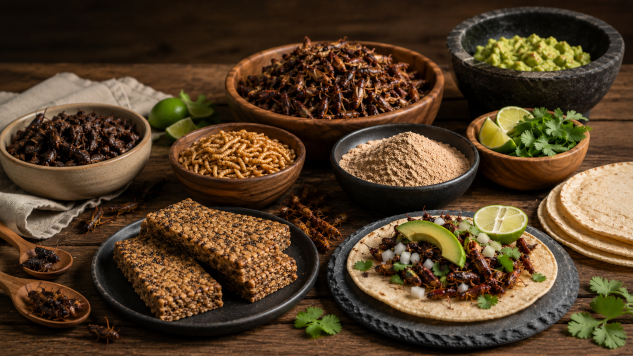
Two billion people already eat insects as a regular part of their diet, and they have been doing so for thousands of years. The Western world is catching up slowly, not because the idea is new, but because the evidence for it has become impossible to ignore. If you have ever wondered whether the squeamishness is worth holding onto, the answer is almost certainly no.

Sitting on the floor has been a natural resting position for humans throughout history, offering potential health benefits like improved posture and flexibility. While scientific evidence is limited, many health professionals advocate for floor sitting as an alternative to conventional chairs, suggesting it may help alleviate lower back pain and maintain spinal curvature.
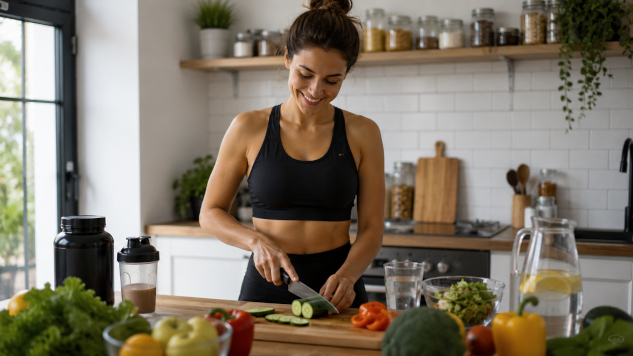
You have probably started over more times than you can count. The diet worked for a while, the scale moved, and then life happened and somehow you ended up right back where you began. If that cycle sounds exhaustingly familiar, you are not alone, and more importantly, you are not broken. The real problem is not your willpower. It is the approach itself.
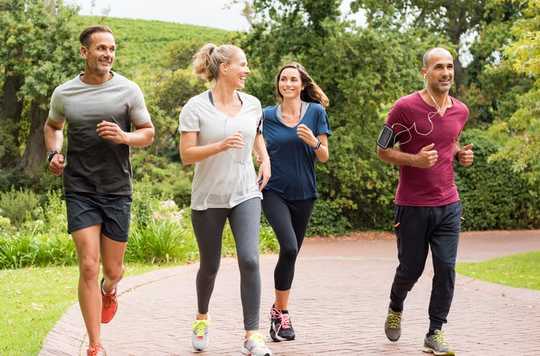
Engaging in group exercise can significantly enhance mental well-being, especially among young individuals. Research indicates that those participating in team sports or informal fitness groups experience better mental health compared to those who exercise alone. The motivation behind exercising and the social connections formed during these activities are crucial for mental health improvements.
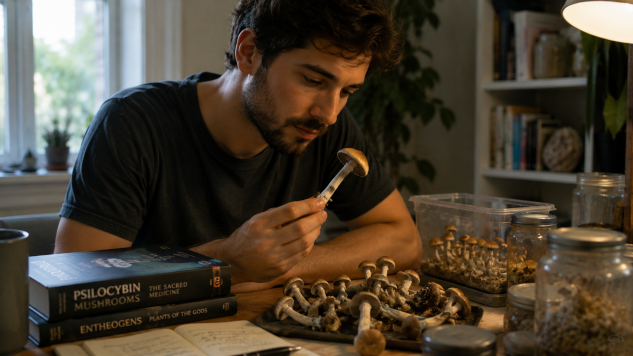
For decades, the conversation about depression treatment has circled the same well-worn options: antidepressants that take weeks to work, therapy that requires months of commitment, and outcomes that remain frustratingly inconsistent for millions of people. Now a molecule derived from mushrooms that indigenous cultures have used ceremonially for thousands of years is sitting at the center of one of the most significant psychiatric research shifts in a generation. The question is no longer whether psilocybin does something remarkable in the brain. The question is whether we can use it safely, systematically, and without losing what makes it work.
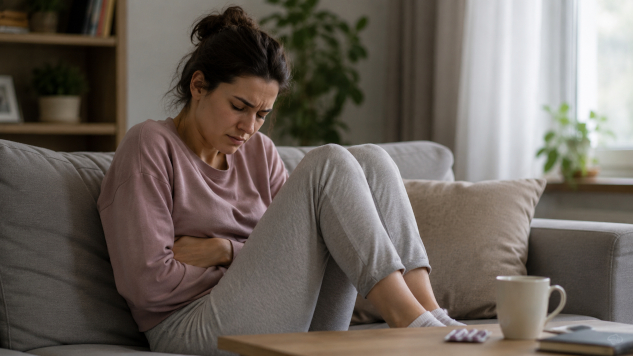
You know that feeling when everything is fine, and then suddenly it absolutely is not, and you cannot quite explain why the dishes in the sink feel like a personal attack? If that lands somewhere familiar, you are not alone, and you are not losing your mind. PMS and its more intense cousin, premenstrual dysphoric disorder, affect millions of people every month, yet too many suffer in silence, convinced they simply need to be stronger or calmer or less sensitive.

Somewhere around their seventies, a lot of people start shrinking in ways that have nothing to do with height. They grip things a little less firmly. They hesitate at curbs. They stop trusting their own legs. Medicine has a name for this: frailty. And here is the part nobody tells you plainly enough — most of it is not inevitable, and a surprising amount of it is reversible with tools so simple they seem almost insulting.

You are standing in the checkout line watching the total tick upward, and somewhere around the third or fourth item you start doing that quiet mental math that never quite adds up. Food costs have surged in ways that hit differently than other price increases, because you cannot simply decide not to eat. The good news is that cutting back does not have to mean cutting the joy out of every meal.
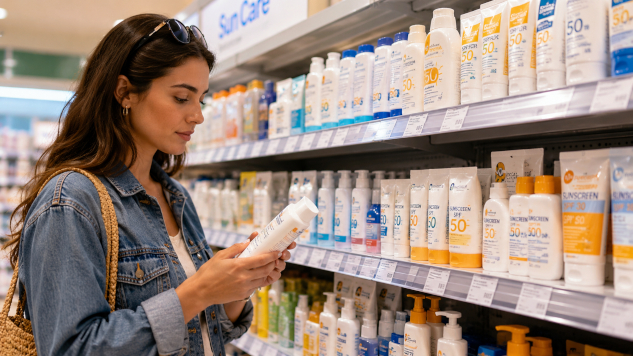
With an overwhelming selection of sunscreens available, selecting the right one can be daunting. Essential factors include SPF level, broad spectrum protection, water resistance, and TGA approval. Personal preferences, such as skin sensitivity and application methods, further influence the choice, especially for children and those with specific skin concerns.

Most of us spend a lot of time worrying about our physical health but give surprisingly little thought to the organ running the whole show. Your brain is quietly keeping score of every choice you make, and the good news is that some of the most powerful things you can do for your cognitive health are also the most ordinary. A researcher at Virginia Tech is pulling back the curtain on what the science actually says, and the findings might just change how you think about your morning routine.

Research reveals that brake and tire dust, containing fine metal particles, poses significant risks to respiratory health. These particles interact with sulfate-rich aerosols, creating toxic compounds that can be inhaled, leading to increased health issues such as asthma. The ongoing impact of this pollution remains a concern, even with the rise of electric vehicles.
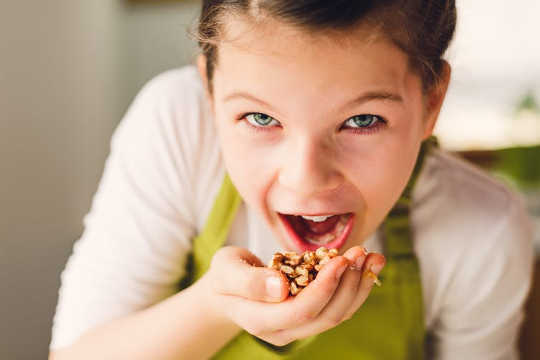
The Australian Dietary Guidelines recommend consuming 30g of nuts daily for their health benefits, which include good fats and essential nutrients. Despite their calorie density, research shows that moderate nut consumption does not lead to weight gain and may even aid in weight management by promoting satiety and healthy eating habits.
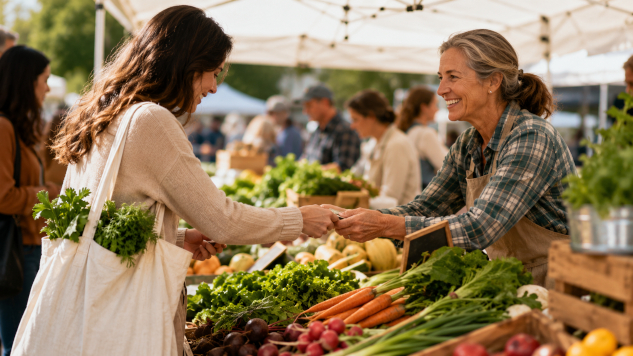
There is something that happens the moment you step into a farmers market on a Saturday morning. The smell of fresh herbs hits you before you even see the stalls, and suddenly the week that felt so heavy seems a little lighter. Shopping at farmers markets is not just about buying food, it is about reconnecting with something real in a world that often feels anything but.

A new laser removal system called 'sonoillumination' enhances the precision of treatments for birthmarks, port-wine stains, and tattoos. By using ultrasonic pulsation alongside clinical lasers, this method aims to improve safety and effectiveness, potentially reducing the number of treatments required.
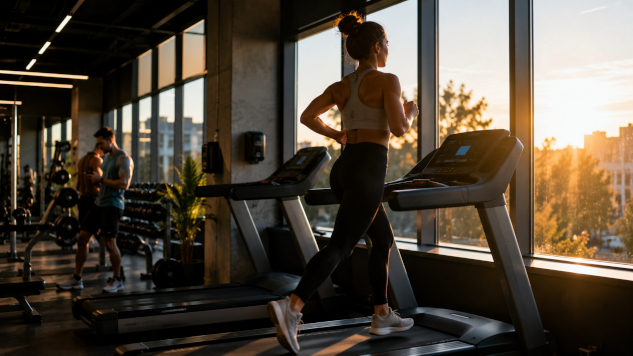
Most fitness advice hands you a universal prescription as if every human body runs on the same clock. The inconvenient fact is that the science of exercise timing is far more nuanced than morning-workout evangelists or late-night gym devotees will admit. Understanding when your body is actually primed to move could be the missing variable in every fitness plateau you have ever hit.

With only 21% of boys and 16% of girls in England meeting physical activity recommendations, parents face challenges in getting children away from screens and outdoors. Research highlights barriers such as screen time and busy family lifestyles. Discover strategies to promote active habits, including setting screen limits and being a role model for fitness.
The New Moon arrives in Leo August 12 at 8:36 PM UTC, and with it comes a singular...

Life will always hand us criticism, disappointments, and unexpected challenges. The real...

A study reveals that while many online daters strive for honesty, a notable percentage...

Mars is entering Cancer on August 12 and this shift changes how you move through...
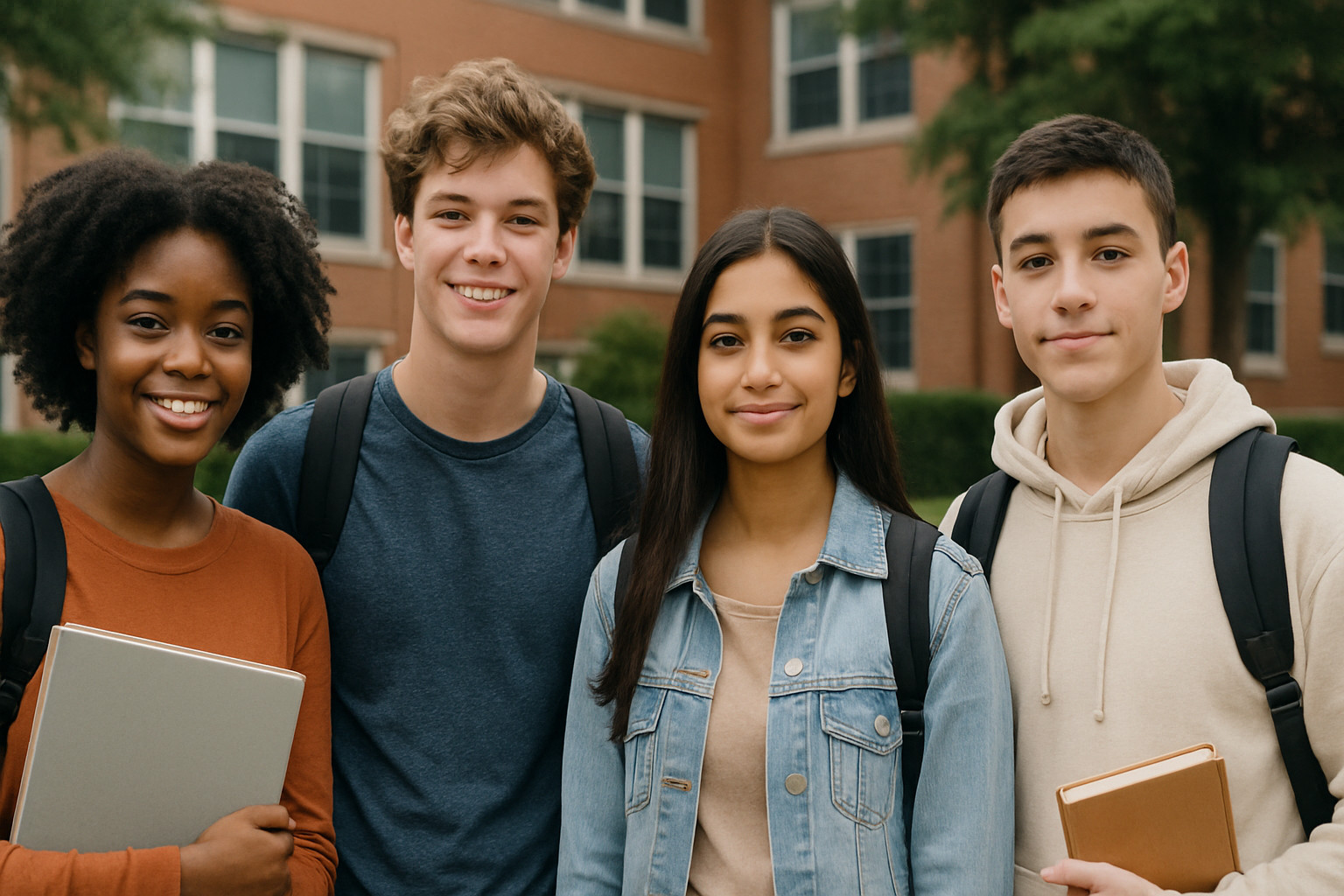
There is a moment most of us remember — standing in front of someone we loved, arms...
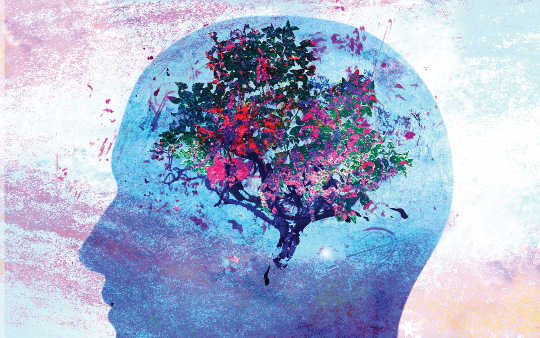
Recent research explores the complex dynamics of altruistic cruelty, revealing that...
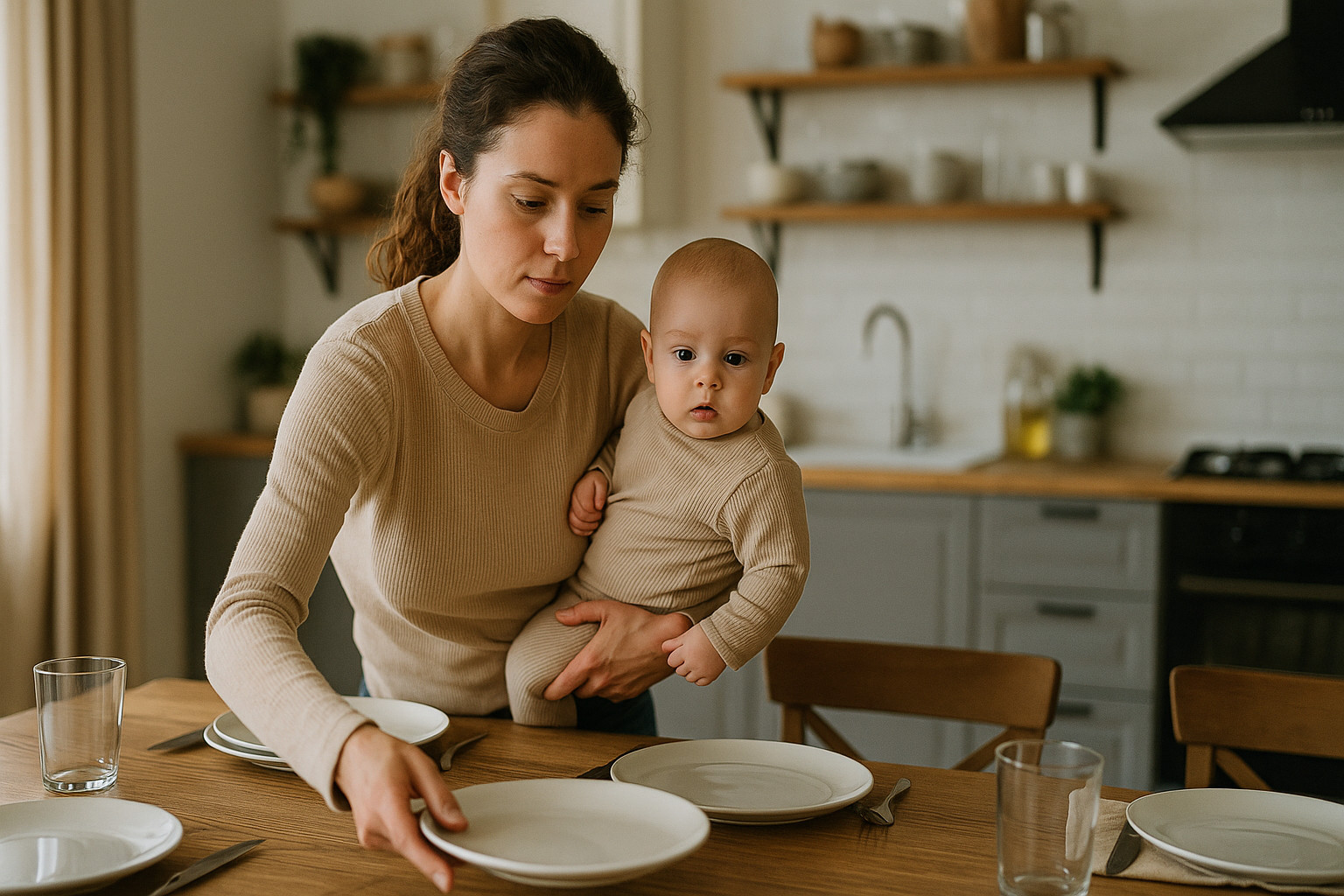
You imagined the newborn haze would be hard, but you did not quite picture yourself...

What if peace of mind depends not on remembering every hurt, but on keeping only the...