
Planets & Transits
New Moon in Leo August 12, 2026
The New Moon arrives in Leo August 12 at 8:36 PM UTC, and with it comes a singular...









We’ve all seen the headlines: “The Secret to Living to 100!”—usually followed by a picture of someone jogging on a beach while drinking a kale smoothie. But here’s the thing: living to 100 isn’t about supplements, superfoods, or some overpriced “biohack.” The secret to longevity might just be simmering quietly in your gut, and most people wouldn’t even notice until something breaks. Gut health isn’t glamorous—but it might be the one system keeping everything else from falling apart.

We’ve been told for decades that “you are what you eat.” But what if your immune system doesn’t care what’s on your plate—only what your brain thinks is? New research from the University of Manchester uncovers a shocking twist in the brain-body relationship: it’s not the food, it’s the feeling of hunger that tells your immune system how to behave. Welcome to the era of brain-controlled immunity.

Imagine pouring a glass of wine after a long day. Maybe it’s a celebration, or perhaps it's a quiet ritual you share with yourself. A little reward, a calming sip, a toast to life’s ups and downs. But what if that very glass, that very sip, held more than relaxation? What if it carried an invisible risk—one that rarely makes headlines but quietly affects your well-being in ways you haven’t been told?

Is breakfast really the most important meal of the day—or just a marketing slogan we’ve swallowed without question? You’ve probably asked yourself whether eating three meals a day is necessary. Maybe you’ve tried skipping breakfast or eating five tiny meals, wondering which rhythm your body was meant to follow. The answer, it turns out, may be simpler and more personal than we’ve been led to believe.

So, you’re lying in bed, brain spinning like a hamster on caffeine, wondering if that melatonin gummy you popped is a cure or just another con. Meanwhile, your phone’s lighting up your face like Times Square, and some podcast is whispering true crime into your subconscious. But hey, it’s “me time,” right? Welcome to the great sleep sabotage—modern edition.

It might seem funny—or even a little awkward—but the smell of your farts can actually tell you a lot about what’s going on in your gut. Whether it’s a silent stinker or a room-clearing blast, that scent is more than just embarrassing. It’s a biological clue, a whisper (or shout) from your digestive system saying, “Hey, something’s up in here.”
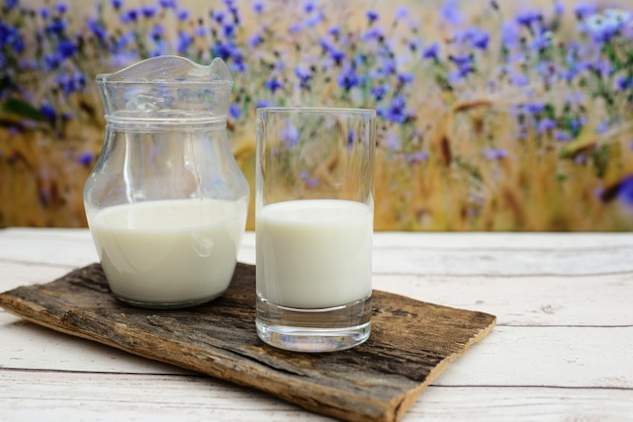
Milk is marketed as healthy—but is it right for your body? From acne to cancer risk, lactose intolerance to gene variants, discover what dairy might really be doing to your body.
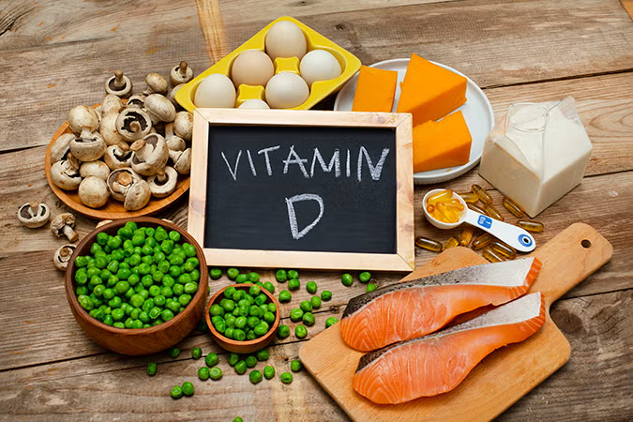
Have you ever wondered if the sunshine you soak in could be the missing key to your energy, mood, and immune health? Vitamin D is often overlooked, but its impact can be life-changing. Whether you're chasing sunlight or popping supplements, understanding how vitamin D works—and what happens when it’s lacking or overdone—could reshape how you care for your body and spirit.
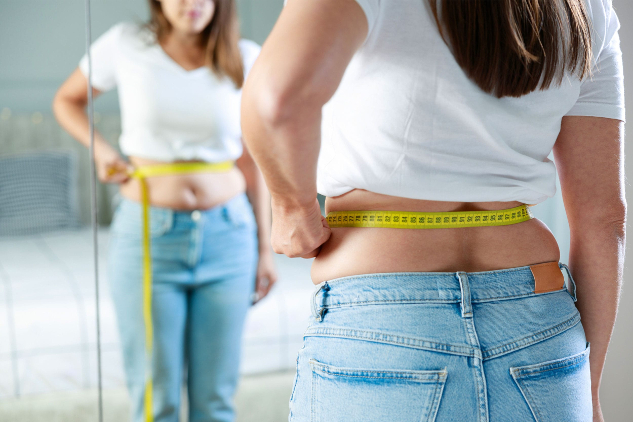
We’ve been taught to believe that losing weight is always the right thing to do. Magazines say it, doctors suggest it, and the mirrorsometimes whispers it back to us. But is shedding pounds always good for your health—or can it backfire when we least expect it?
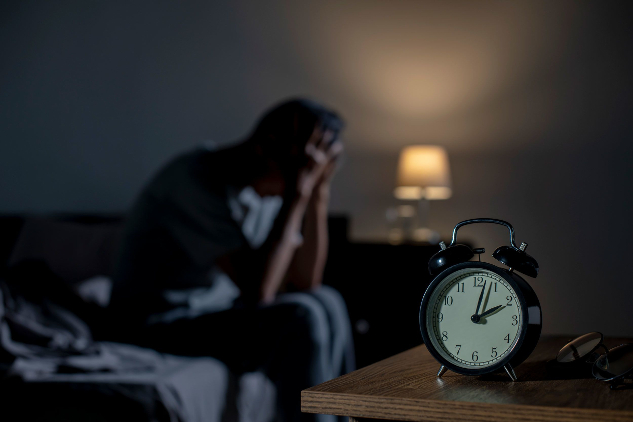
What if the real reason you're dragging through the day isn't your to-do list, but your sleep? The kind of sleep that cradles your mind, resets your body, and lifts your spirit isn’t just a dream—it’s possible. The way you eat, unwind, and listen to your body can transform your nights and, ultimately, your life.

Struggling with post-lunch fatigue? You’re not alone. That mid-afternoon energy crash is a common experience, leaving many people sluggish and unfocused. But what if a simple habit—either a short nap or bright light exposure—could dramatically improve cognitive performance? A groundbreaking study suggests that both interventions boost mental flexibility, but one might have a surprising edge.

Can PTSD develop without direct trauma? Recent research suggests that the brain encodes fear not just from personal experiences but from witnessing the suffering of others. This phenomenon, known as indirect fear learning, raises profound questions about how trauma spreads through social networks and whether PTSD treatments need to account for more than firsthand experiences.
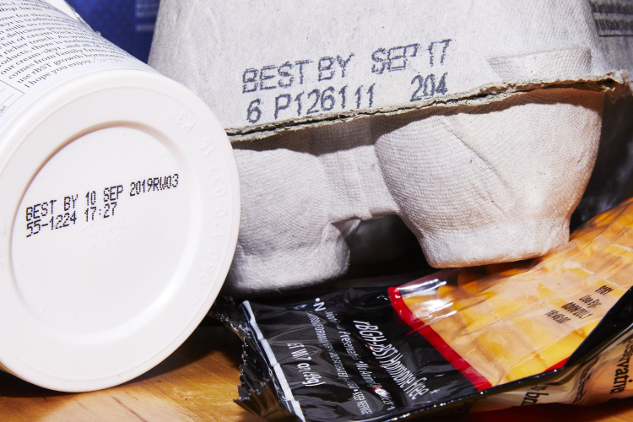
You open the fridge, reach for the yogurt, and notice the dreaded date stamped on the lid: yesterday. Or maybe it’s a can of soup that’s been sitting in your pantry for a year past the “Best Before” date. Your instincts kick in—should you eat it or toss it? Every year, people throw away billions of dollars worth of food based on dates that often have little to do with safety. But what do these labels really mean, and how can you tell if expired food is still good? Let’s break through the confusion and get to the truth.

When confronted with a cancer diagnosis, Maryann Weston delveD deep into her psyche, uncovering latent spiritual gifts and redefining her life's purpose. She shares her discoveries in this insightful article.
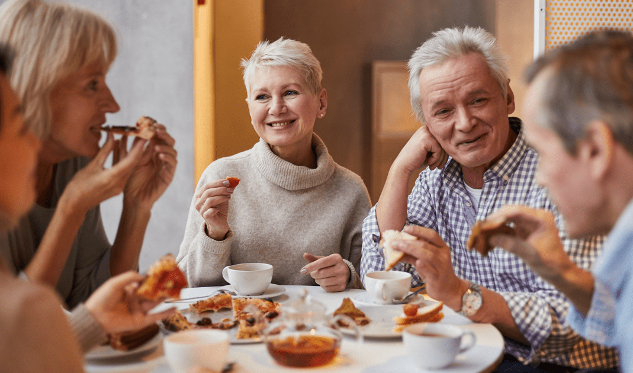
After reading a New York Times article on managing hypoglycemia in seniors, I couldn’t help but shake my head. It pushes quick sugar fixes—juice, glucose tablets, candy bars—like some kind of medical whack-a-mole. Sure, that might work in an emergency, but as a long-term strategy, it’s a disaster. This isn’t just about seniors; it’s a lifelong problem fueled by a food industry pushing ultra-processed carbs from childhood. Now, in old age, people are told to double down on the very cycle that got them here?

What if the secret to a long, vibrant life was already inside you? Science is uncovering the clues, hidden in your blood, that might predict whether you’ll live to see 100. The latest research on centenarians reveals key biomarkers that seem to determine longevity. Could these insights change how we approach health and aging?

It’s no secret that sugar is addictive, but what if the real issue isn’t just the sugar itself—but the way it’s hidden in nearly everything we eat? Ultra-processed carbohydrates are flooding our brains with unnatural highs and devastating crashes, shaping our emotions, focus, and long-term cognitive health. Could our diet be one of the biggest unspoken contributors to the mental health crisis? Let’s break it down.

A groundbreaking study reveals that extreme heat may not just be uncomfortable—it could actually speed up the aging process at a biological level. Recent research highlights how prolonged exposure to high temperatures accelerates epigenetic aging, a process that impacts the very blueprint of our bodies. Could this mean that climate change is aging us faster than we realize? Let’s explore the science behind this hidden health threat.

Could your bad dreams be an early warning sign of dementia? New research suggests that frequent distressing dreams may be linked to faster cognitive decline and an increased risk of dementia—especially in men. Scientists are now exploring how our subconscious might hold the key to early detection and prevention. Here’s what you need to know.

Your skin has a natural ability to heal and renew itself—if you give it what it needs. Taoist wisdom reveals how breathwork, movement, and relaxation can restore your skin’s glowing health. Learn how to recharge your body’s “biobatteries” and cultivate lasting vitality for youthful, radiant skin.

Ovarian cancer is often called the “silent killer” because its symptoms are subtle and easy to dismiss. You might think it’s just bloating, indigestion, or fatigue—things we all experience from time to time. But what if your body is trying to tell you something more? What if those symptoms aren’t just everyday discomforts, but warning signs that shouldn’t be ignored? Understanding the early signs of ovarian cancer could make all the difference. Let’s talk about why paying attention to these symptoms is crucial and how early detection can save lives.
The New Moon arrives in Leo August 12 at 8:36 PM UTC, and with it comes a singular...

Life will always hand us criticism, disappointments, and unexpected challenges. The real...

A study reveals that while many online daters strive for honesty, a notable percentage...

Mars is entering Cancer on August 12 and this shift changes how you move through...

There is a moment most of us remember — standing in front of someone we loved, arms...
Recent research explores the complex dynamics of altruistic cruelty, revealing that...

You imagined the newborn haze would be hard, but you did not quite picture yourself...

What if peace of mind depends not on remembering every hurt, but on keeping only the...