
Planets & Transits
New Moon in Leo August 12, 2026
The New Moon arrives in Leo August 12 at 8:36 PM UTC, and with it comes a singular...









Why do we keep doing things we know aren't good for us? The answer may have less to do with weakness and more to do with habit, emotional soothing, and conditioning. Understanding why the pattern began can help us forgive ourselves and finally choose differently.

Not every child who sits apart from the group is struggling. Some children genuinely prefer solitude, and for years researchers assumed that preference was harmless. New findings complicate that picture in ways every parent and educator needs to understand.

Caregivers face significant challenges when managing stress and providing support to those in need. This article explores the importance of self-care, effective communication strategies, and practical tactics to reduce caregiver stress. By fostering empathy and setting boundaries, caregivers can enhance their well-being while effectively supporting their loved ones.

You are not imagining it. There is something about the shift in seasons that makes everything feel heavier, sharper, or just different in ways you cannot quite name. If your stress seems to rise and fall with the calendar, science and centuries of human experience are both on your side.

The prevalence of smartphone photography during experiences can significantly affect how events are remembered and shape identities. While photos serve as external memory aids, they may lead to poorer recall and create a fixed narrative of individuals, impacting mental health and agency. Understanding these effects is essential for navigating the relationship with technology.

Emotion regulation is a vital psychological process that allows individuals to manage their feelings and responses. However, some people struggle with this ability, leading to mental health issues like anxiety and depression. Identifying the underlying neural mechanisms and the effectiveness of various strategies can provide insights into better management of emotions.

What if peace of mind depends not on remembering every hurt, but on keeping only the wisdom? Marie T. Russell explores selective memory, forgiveness, boundaries, and the surprising freedom that comes when we stop carrying old grievances into the present.

There is a moment most of us remember — standing in front of someone we loved, arms crossed, heart tight, saying those three words: it's not fair. And if you were lucky, someone told you the truth back. Life is not fair. The question is what you do with that answer.

Many people believe that changing jobs, partners, or locations will resolve their unhappiness. However, true change starts from within. By shifting one's mindset and understanding personal reactions, individuals can find fulfillment and inner peace, regardless of external circumstances. Doug's journey illustrates the importance of internal transformation over external solutions.
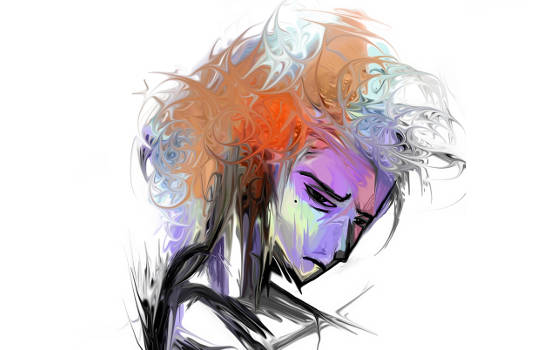
A recent study reveals that childhood experiences of violence, abuse, and neglect can significantly accelerate biological aging and impact health outcomes. Researchers found that children exposed to these adversities showed advanced pubertal development and increased risks of depression. This highlights the urgent need for targeted interventions to support affected youth.

New research reveals that proactively offering help in the workplace can lead to negative outcomes for both helpers and recipients. Management professor Russell Johnson explains that unrequested assistance often results in less gratitude and can undermine the self-esteem of those receiving help. It suggests that waiting to be asked may be a more effective strategy.
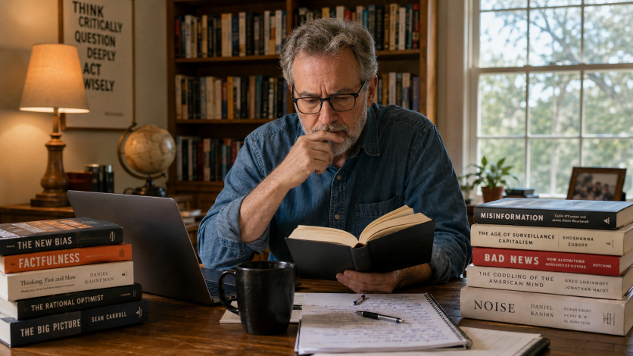
For centuries, literacy meant learning to read. Then it meant learning to write. Today it demands a third skill that no classroom has ever made mandatory: learning to think. Not because people have grown less intelligent, but because information has become so cheap that judgment has become priceless.

The concept of the world as a mirror suggests that our perceptions and experiences reflect our inner state. When we encounter negativity, it may indicate unresolved issues within us. This idea challenges us to examine our reactions, especially in parenting, and recognize how our emotions shape interactions with others.
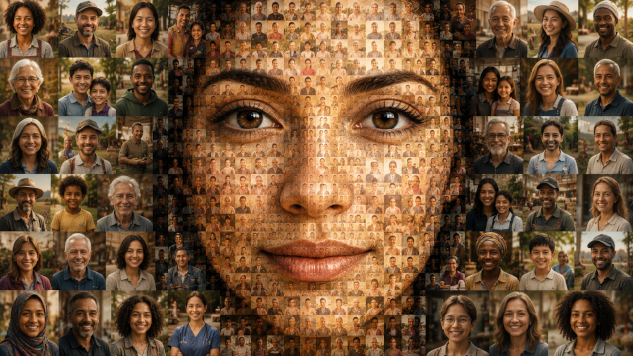
What if every criticism you make of another person reveals something about yourself? By practicing two simple words—"That's me"—you can replace judgment with compassion, discover hidden aspects of your own nature, and begin healing the illusion that we are separate from one another.

Something quiet is happening among younger people, and it is easy to miss if you are not paying attention. Gen Z, the generation that grew up holding a smartphone before they could drive a car, is starting to put those phones down. Not because technology itself is the enemy, but because they are finally naming what has been exhausting them for years.

Worrying about loved ones can sometimes be counterproductive, reinforcing fears rather than fostering healing. By shifting perspectives and utilizing the Inner Therapist's vision, individuals can transform their protective instincts into true empathy, allowing for genuine support and connection without reinforcing limitations of the physical body.

Most of us have been taught to treat hope like a consolation prize — something you reach for when the real options run out. But a growing body of psychological and medical research is turning that assumption on its head. Hope, it turns out, is one of the most active, health-shaping, meaning-generating forces in human life, and science is only beginning to understand how deep it runs.

You are sitting in a room full of people and still feel completely alone. Or maybe you are just sitting in a room, period, and the silence has started to feel like a presence of its own. Either way, that ache is not weakness, not a character flaw, and not something you simply need to push through. It is a public health emergency, and the data are finally catching up to what millions of bodies already know.

For decades, research on adolescent development leaned heavily on trauma, crisis, and stress as the defining forces of young lives. A major new study from the University of Zurich challenges that assumption directly, finding that most young people point to positive, ordinary milestones as the experiences that shaped them most. Understanding why this matters could fundamentally change how we support the next generation.

You catch a glimpse of yourself in the mirror and something is just off. Your hair is doing that thing again — the thing you cannot name but absolutely cannot fix — and suddenly the whole day feels slightly tilted. Bad hair days are real, they are frustrating, and it turns out there is a lot more science and self-care wisdom behind them than most of us realize.

The journey to healing the emotional body involves recognizing and transforming negative emotional residues into higher vibrations. By focusing on consciousness and utilizing specific exercises, individuals can release emotional blockages and enhance their overall well-being, allowing for a deeper connection with their Higher Self and the world around them.
The New Moon arrives in Leo August 12 at 8:36 PM UTC, and with it comes a singular...

Life will always hand us criticism, disappointments, and unexpected challenges. The real...

A study reveals that while many online daters strive for honesty, a notable percentage...

Mars is entering Cancer on August 12 and this shift changes how you move through...
There is a moment most of us remember — standing in front of someone we loved, arms...
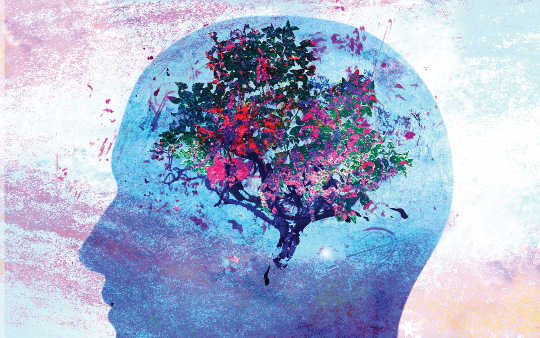
Recent research explores the complex dynamics of altruistic cruelty, revealing that...

You imagined the newborn haze would be hard, but you did not quite picture yourself...
What if peace of mind depends not on remembering every hurt, but on keeping only the...