
Planets & Transits
New Moon in Leo August 12, 2026
The New Moon arrives in Leo August 12 at 8:36 PM UTC, and with it comes a singular...








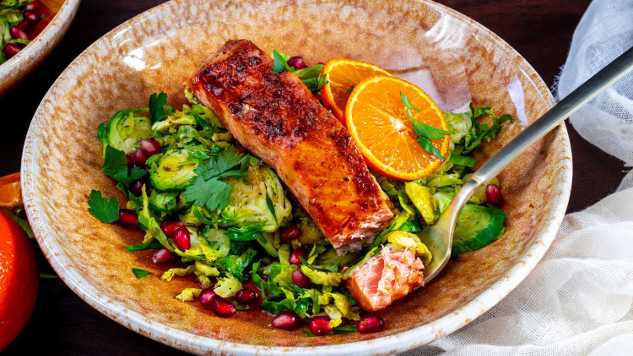
Wild salmon and farmed salmon may look similar on your plate, but the differences run deep. From flavor and texture to nutrition, safety, and sustainability, each carries its own story. Choosing between them isn’t just about taste, it’s about your health and the planet’s future. Let’s break down the wild salmon vs. farmed salmon debate so you can make choices that align with your values.
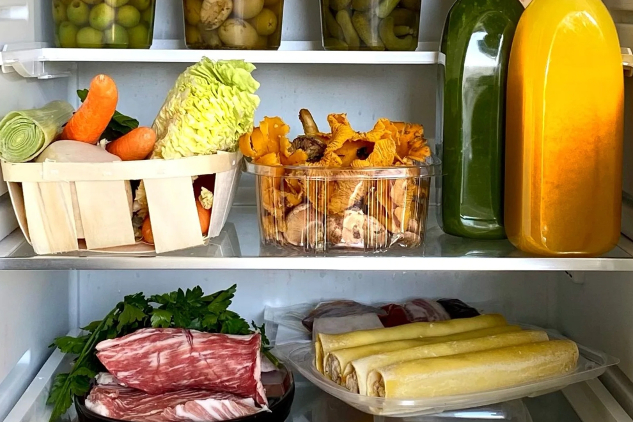
Most people don’t realize their fridge storage habits may be shortening the life of their food and even risking food safety. From eggs and berries to herbs and leftovers, small mistakes can make a big difference. This article reveals the top fridge storage errors you might be making and shows you simple ways to keep your food fresh, safe, and delicious longer.
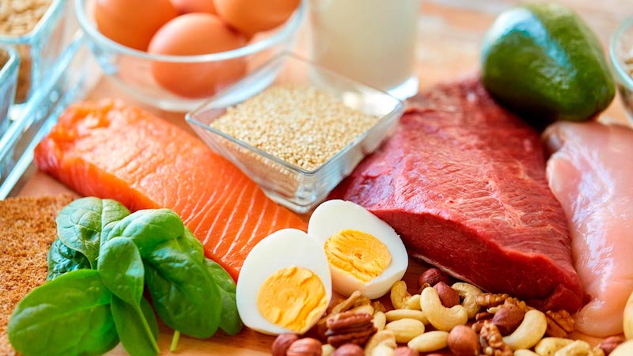
Protein intake is one of the most debated topics in nutrition. How much is enough, when should you eat it, and are plant proteins truly as good as animal sources? While protein fuels growth, repair, and energy balance, excess may strain the body. This article unpacks the myths and truths about protein intake and plant protein, offering clarity for a healthier, more balanced life.
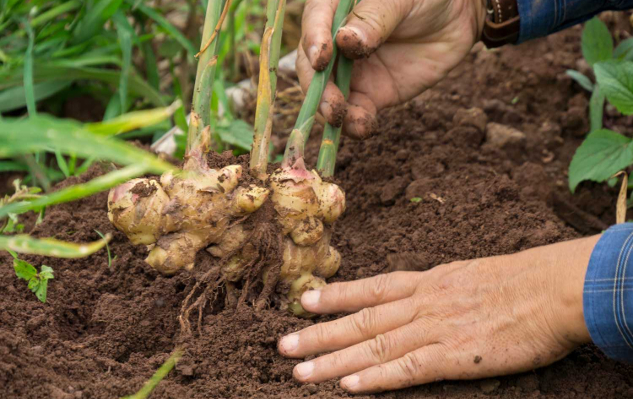
Ginger is more than a flavorful spice, it’s a potent root with powerful effects on the body. While ginger benefits range from lowering blood pressure and cholesterol to easing digestion, ginger risks include side effects and drug interactions you can’t afford to ignore. Learn how to use ginger safely in root and powder form while maximizing its healing potential for heart health and overall well-being.

Proper hydration is more than just drinking water, it’s about fueling every cell in your body. Without it, dehydration signs sneak in: fatigue, headaches, mood swings, and even long-term health risks. This article unpacks why hydration matters, how to spot the warning signals, and simple ways to stay balanced. Hydration isn’t optional; it’s the foundation of your wellbeing.
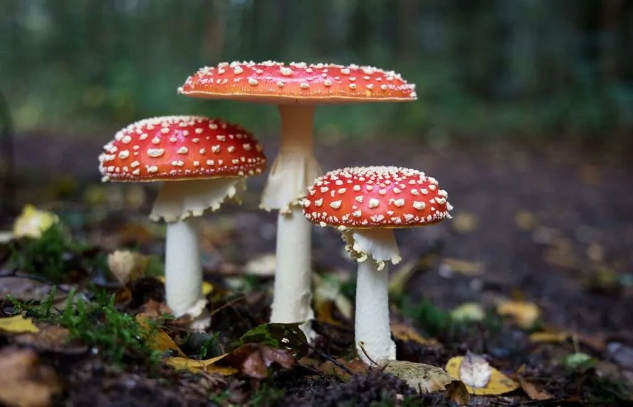
Microdosing mushrooms has become a wellness trend promising creativity, focus, and emotional balance. Yet psilocybin risks, legal, medical, and psychological, raise serious questions. Science suggests some benefits may be real while others are placebo-driven. By understanding both sides, we can approach microdosing mushrooms with awareness, discernment, and respect for its potential and its dangers.
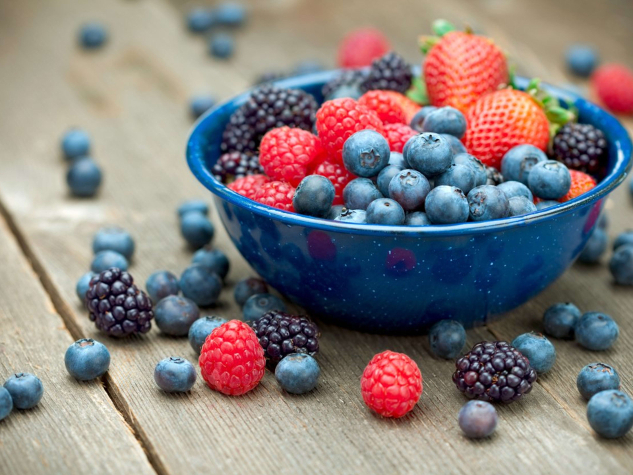
Soluble fiber is more than a digestive aid—it’s your body’s natural ally against high cholesterol and harmful toxins. By binding to cholesterol in the gut and promoting toxin elimination, soluble fiber reduces heart risks while boosting overall health. Learn how adding fiber-rich foods like oats, beans, and apples can transform your well-being, giving you both immediate and long-term benefits for heart and gut health.

New research reveals why seaweed nutrition hasn't caught on in Western countries despite being the ultimate sustainable food. While Japanese consumers eat it daily, cultural familiarity trumps environmental and health benefits in the UK and US. Scientists found that making this climate-friendly superfood mainstream requires more than promoting its nutritional value - it needs cultural integration and strategic positioning to overcome deep-rooted dietary habits.

After a rich meal, your blood fats rise for hours. That rise, called postprandial lipids, may briefly stress the body’s vessels, including those that help the brain keep blood flow steady through a process called cerebral autoregulation. Human evidence is still developing, but you can take simple, low-burden steps after high-fat meals to feel safer and more in control. This guide shows you how, in plain language you can use today.
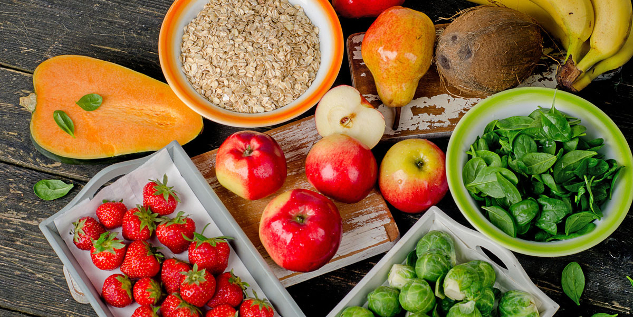
You’ve probably been told your whole life to “eat more fiber.” It sounds simple enough, right? A sprinkle of bran here, a handful of leafy greens there. But what if I told you that too much of this good thing can actually backfire? Yes, fiber is essential—but balance is the secret ingredient. Let’s walk through why fiber matters, what kinds your body truly needs, and how to make it your digestive system’s best friend, not its worst enemy.
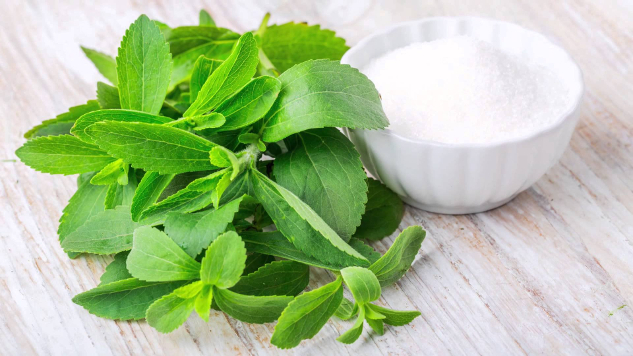
Can a sweet plant used in your morning coffee hold the key to treating one of the deadliest cancers in the world? Scientists in Japan say yes—if that plant is fermented and dosed with a little microbial alchemy. In a breakthrough study, fermented stevia leaf extract showed it could selectively kill pancreatic cancer cells while sparing healthy tissue. What does this mean for the future of medicine—and for the billions of dollars poured into pharmaceutical R&D?

Ever notice how every time someone talks about obesity, they point fingers at the couch? “People just don’t move like they used to,” they say, with the smug assurance of someone who thinks the cure for rising waistlines is a gym membership and a better attitude. But what if the real problem isn’t about how much we move—but about what the system is feeding us?
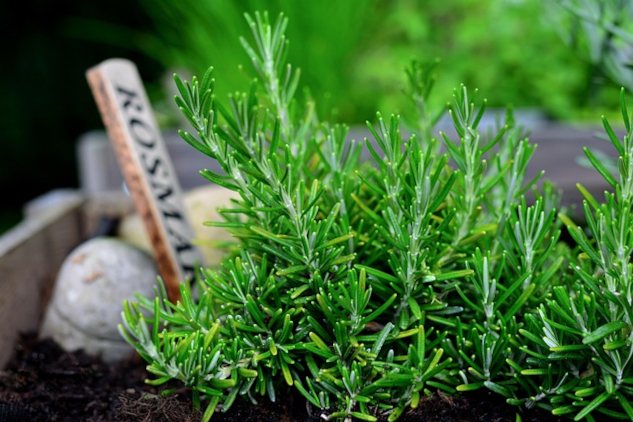
It’s amazing how a simple whiff of rosemary can stir something inside you. Maybe it’s a memory, a sudden calm, or just the comfort of something natural. For thousands of years, this humble herb has been more than a kitchen staple. It’s been a medicine, a ritual, a healer. And today, it still has so much to offer—if you’re willing to slow down and listen to what this ancient plant has to say.
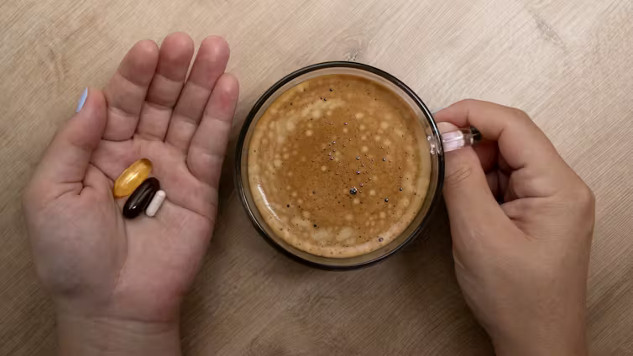
Coffee is more than just a morning pick-me-up—it’s a powerful stimulant that can interact with medications you may rely on. From thyroid pills to antidepressants, your daily brew could be making treatments less effective or increasing side-effects. Understanding coffee's interaction with medication is essential for your health. Discover what to avoid and how to keep both your meds and your caffeine fix working in harmony.
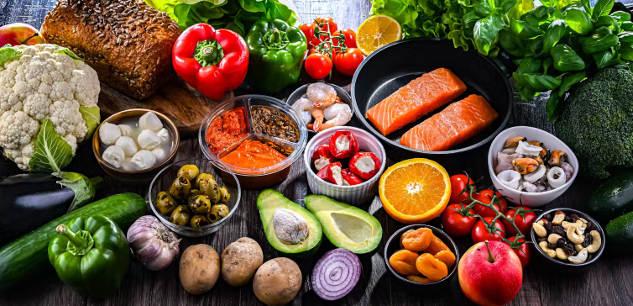
Want to lose weight without drugs like Ozempic? Science shows that fiber, monounsaturated fats, and even food timing can boost GLP-1—a natural hunger-suppressing hormone. From eating slowly to making breakfast count, this guide outlines strategic, food-based methods for weight loss that work with your biology, not against it. The best part? No prescriptions required—just smart choices rooted in proven nutrition.
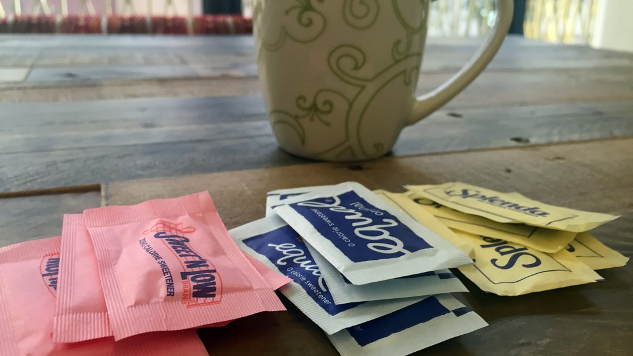
Artificial sweeteners promise all the sweet pleasure of sugar without the guilt. But are they a health miracle—or a ticking time bomb hidden in your morning coffee? As sugar substitutes continue to invade everything from diet sodas to "health" bars, it's time we took a hard look at the real story behind artificial sweeteners. Because sometimes, the things we trust most quietly betray us.

We’ve been told for decades that “you are what you eat.” But what if your immune system doesn’t care what’s on your plate—only what your brain thinks is? New research from the University of Manchester uncovers a shocking twist in the brain-body relationship: it’s not the food, it’s the feeling of hunger that tells your immune system how to behave. Welcome to the era of brain-controlled immunity.

Imagine pouring a glass of wine after a long day. Maybe it’s a celebration, or perhaps it's a quiet ritual you share with yourself. A little reward, a calming sip, a toast to life’s ups and downs. But what if that very glass, that very sip, held more than relaxation? What if it carried an invisible risk—one that rarely makes headlines but quietly affects your well-being in ways you haven’t been told?

Is breakfast really the most important meal of the day—or just a marketing slogan we’ve swallowed without question? You’ve probably asked yourself whether eating three meals a day is necessary. Maybe you’ve tried skipping breakfast or eating five tiny meals, wondering which rhythm your body was meant to follow. The answer, it turns out, may be simpler and more personal than we’ve been led to believe.
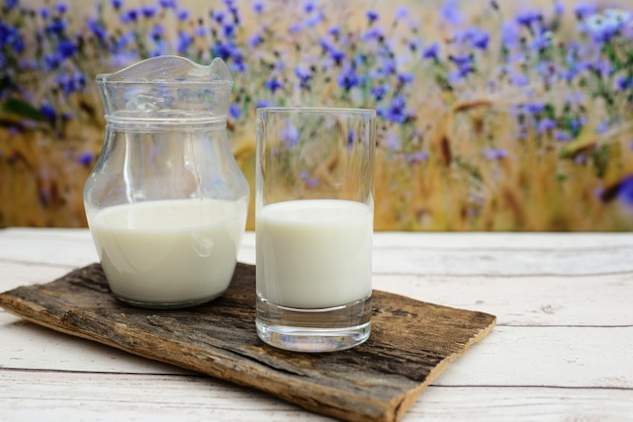
Milk is marketed as healthy—but is it right for your body? From acne to cancer risk, lactose intolerance to gene variants, discover what dairy might really be doing to your body.
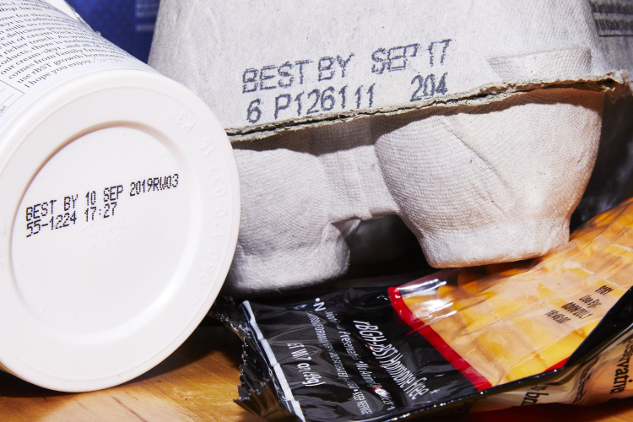
You open the fridge, reach for the yogurt, and notice the dreaded date stamped on the lid: yesterday. Or maybe it’s a can of soup that’s been sitting in your pantry for a year past the “Best Before” date. Your instincts kick in—should you eat it or toss it? Every year, people throw away billions of dollars worth of food based on dates that often have little to do with safety. But what do these labels really mean, and how can you tell if expired food is still good? Let’s break through the confusion and get to the truth.
The New Moon arrives in Leo August 12 at 8:36 PM UTC, and with it comes a singular...

Life will always hand us criticism, disappointments, and unexpected challenges. The real...

A study reveals that while many online daters strive for honesty, a notable percentage...

Mars is entering Cancer on August 12 and this shift changes how you move through...

There is a moment most of us remember — standing in front of someone we loved, arms...
Recent research explores the complex dynamics of altruistic cruelty, revealing that...

You imagined the newborn haze would be hard, but you did not quite picture yourself...

What if peace of mind depends not on remembering every hurt, but on keeping only the...