
Planets & Transits
New Moon in Leo August 12, 2026
The New Moon arrives in Leo August 12 at 8:36 PM UTC, and with it comes a singular...








 When I first served in Brazil in the mid-1960s as a young American diplomat stationed at a small consulate in Belem on the mouth of the Amazon River, the country was in its second year of a 20-year military regime.
 According to many economists, the economy is at or near its full employment level of output; see, for example, the San Francisco Federal Reserve President’s recent comments.
 You often hear inequality has widened because globalization and technological change have made most people less competitive, while making the best educated more competitive. There’s some truth to this. The tasks most people used to do can now be done more cheaply by lower-paid workers abroad or by computer-driven machines.
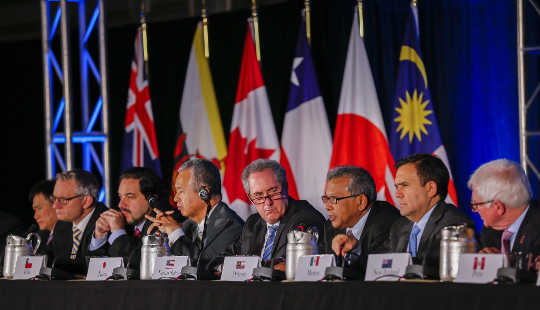 The United States International Trade Commission (USITC) recently came out with projections on the economic effects of the Trans-Pacific Partnership (TPP) trade deal. The USITC’s report is the third major study on the TPP from the past two years.
 Disgruntled Icelanders recently forced their prime minister to quit, and are threatening to hand power to self-styled pirates at an early election. But whereas other European voters are culling traditional parties out of weakness, Reykjavik’s are rebelling out of strength.
 Companies could improve their profits by 2-10% each year by saving energy. That’s just one of the findings of ClimateWorks Australia’s Energy Productivity Index, a world-first attempt to assess companies' energy performance and help investors make better decisions.
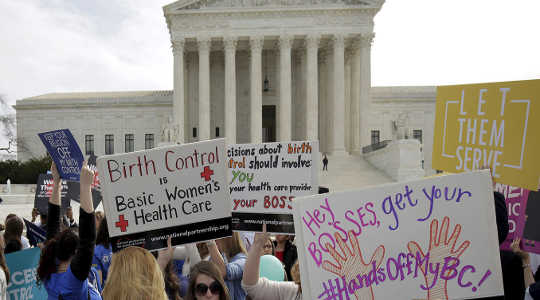 Reproductive health isn’t just about abortions, despite all the attention they get. It’s also about access to family planning services, contraception, sex education and much else.
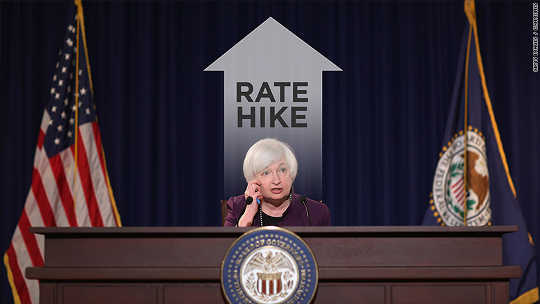 The Federal Reserve Board's Open Market Committee (FOMC) decided not to raise interest rates at its meeting last week. However, the FOMC also made clear that a rate hike was still an option for its June meeting.
 A new study by the Pew Research Center spurred a rash of headlines last week about “the dying middle class.” But the word “dying” might be more appropriate if we were watching the regrettable but inevitable effects of natural forces at work.
 “How do we grow the economy?” is an obsolete question. Local initiatives across the world are looking for maturity instead as they rebuild caring, place-based communities and economies.
 Many people might think that Donald Trump can only teach the country how to offend women, African Americans and a range of non-European ethnic groups. While that may be his area of expertise, it seems that his rants on dealing with debt may actually provide a teachable moment. As a result, the country, and possibly even the policy elites, may get a better understanding of when and how debt can pose a problem.
 Any election demands knowledge, attention and wisdom from the whole electorate. When a campaign season does not seem to be going well, there’s often angst about whether the public has been sufficiently educated.
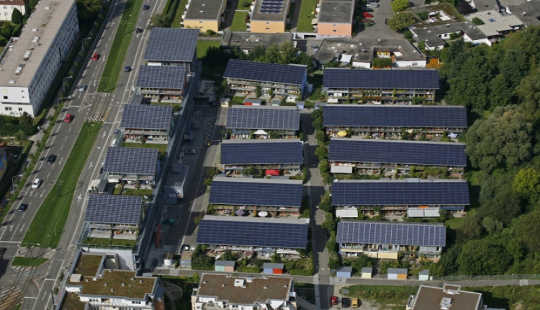 On Sunday, for a brief, shining moment, renewable power output in Germany reached 90 percent of the country’s total electricity demand.
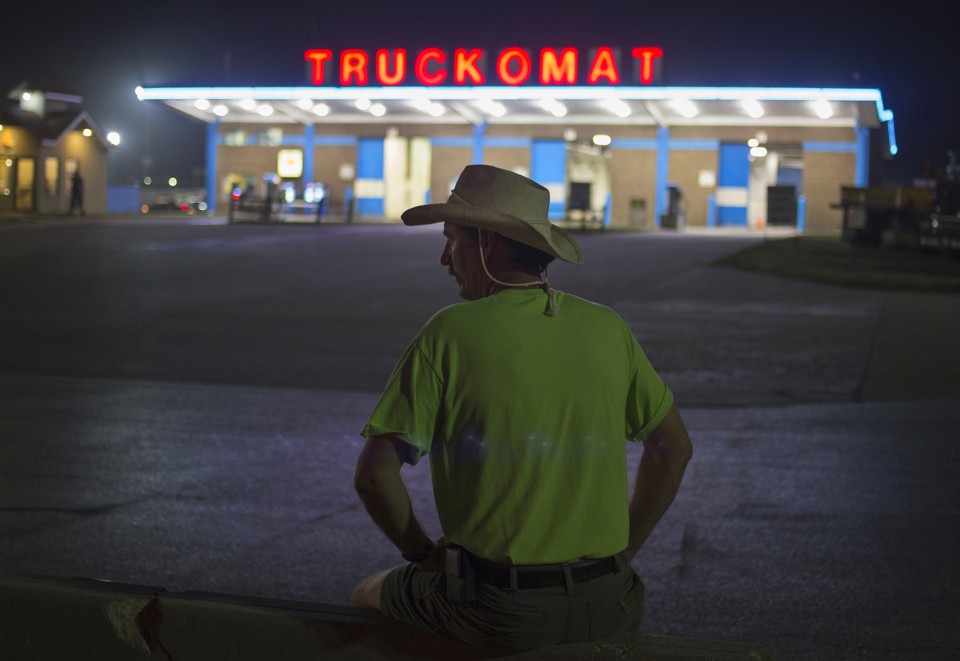
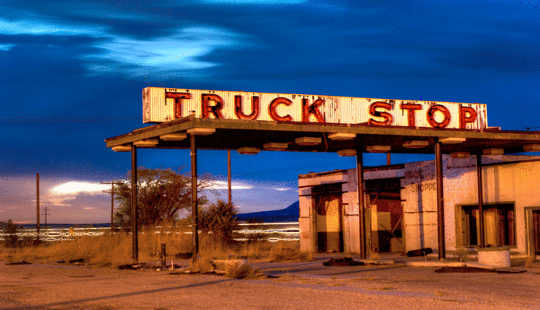
I met Claudio at a Midwestern truck stop just before the Great Recession. At the time, I was a sociology grad student trying to understand how long-haul trucking had gone from one of the best blue-collar jobs in the U.S.
I see Greg Mankiw used his NYT column to tell folks that politicians are spinning tales when they say the economy is rigged. I would say that economists spin tales when they tell you it is not. (Mankiw and I just ran through this argument on a panel in Boston last week.) Let's quickly run through the main points.
 I’m going to let you in on a little secret about the Internet: Big cable companies hate it. That’s a bad thing because for most Americans big cable companies are the on-ramps to the wired world.
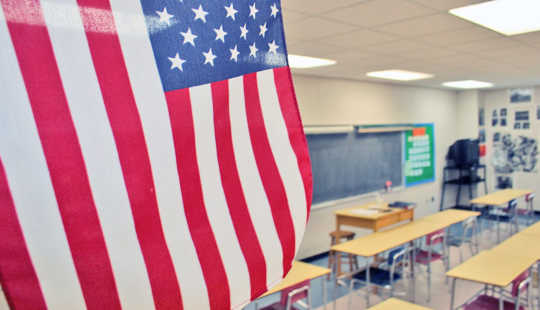 "The socioeconomic profile of a district is a powerful predictor of the average test score performance of students in that district," says Sean Reardon. "Nonetheless, poverty is not destiny: There are districts with similarly low-income student populations where academic performance is higher than others."
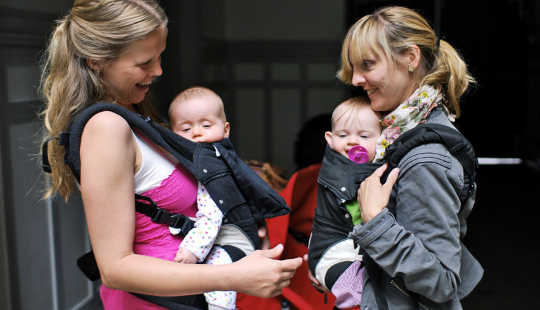 "Children do not kill careers, but the earlier children arrive the more their mother's income suffers. There is a clear incentive for delaying," says coauthor Raul Santaeulalia-Llopis.
 Most small farms have to follow the same rules as big corporate ones. In Maine, flexible food ordinances have increased the number of small farmers.
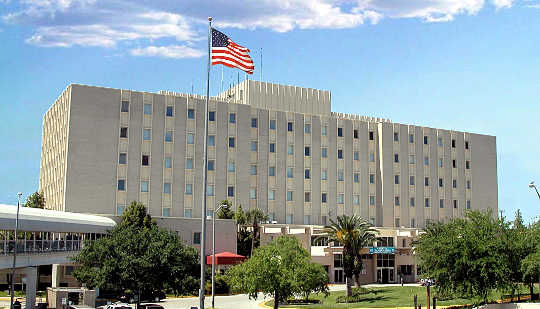 There are few areas where there is more bipartisan support than the need to provide adequate health care for the country's veterans. While many of us opposed the war in Iraq and other recent military adventures, we still recognize the need to provide medical services for the people who put their lives at risk.
 If you put water on the stove and heat it up, it will at first just get hotter and hotter. You may then conclude that heating water results only in hotter water. But at some point everything changes – the water starts to boil, turning from hot liquid into steam. Physicists call this a “phase transition.”
The New Moon arrives in Leo August 12 at 8:36 PM UTC, and with it comes a singular...

Life will always hand us criticism, disappointments, and unexpected challenges. The real...

A study reveals that while many online daters strive for honesty, a notable percentage...

Mars is entering Cancer on August 12 and this shift changes how you move through...

There is a moment most of us remember — standing in front of someone we loved, arms...
Recent research explores the complex dynamics of altruistic cruelty, revealing that...

You imagined the newborn haze would be hard, but you did not quite picture yourself...

What if peace of mind depends not on remembering every hurt, but on keeping only the...