
Planets & Transits
New Moon in Leo August 12, 2026
The New Moon arrives in Leo August 12 at 8:36 PM UTC, and with it comes a singular...









Consider these two questions: What percentage of Americans are, or have been, infected with the coronavirus?

Retailers are frequently running out of everything from flour and fresh meat to toilet paper and pharmaceuticals as supply chains hammered by the coronavirus struggle to keep up with stockpiling consumers.
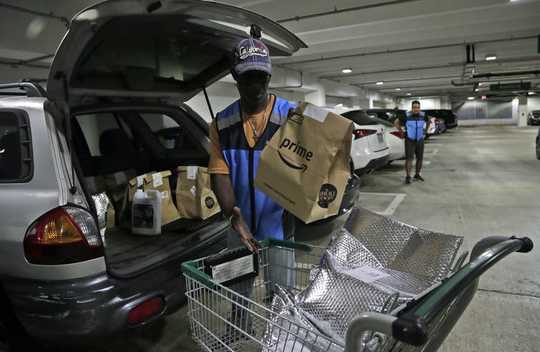
A series of recent protests by the workers preparing and delivering our essential foods and other goods highlights a key risk to our ability to combat the coronavirus.

From New York to Moscow, Johannesburg to Buenos Aires, the novel coronavirus continues its global journey. On March 30, almost three months after China announced the discovery of COVID-19, the disease associated with the coronavirus, more than 780,000 people have been infected and at least 37,000 have died.
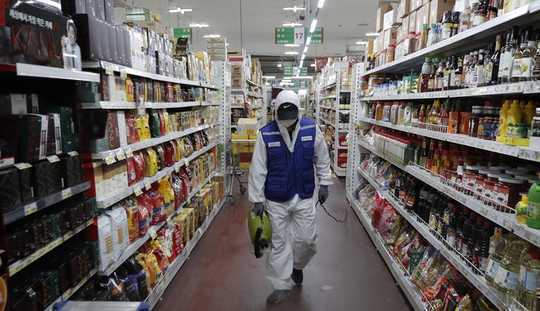
The COVID-19 outbreak appears headed for the U.S., and the Centers for Disease Control and Prevention are urging Americans to prepare now, such as by stocking up on food and prescription drugs.

Slow internet connections or limited access from homes in rural areas can contribute to students falling behind academically, according to a new study
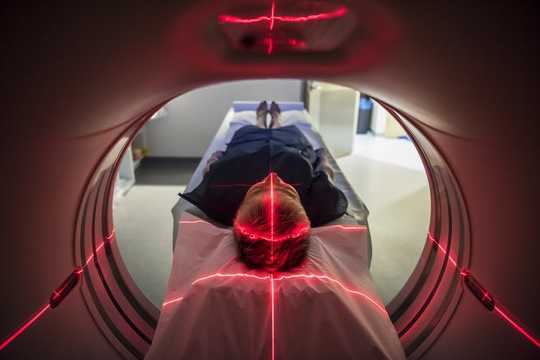
Price transparency is the wrong goal for the free-market health care structure we have in the U.S. Instead, consumers need to know not so much the price, but the costs of things.
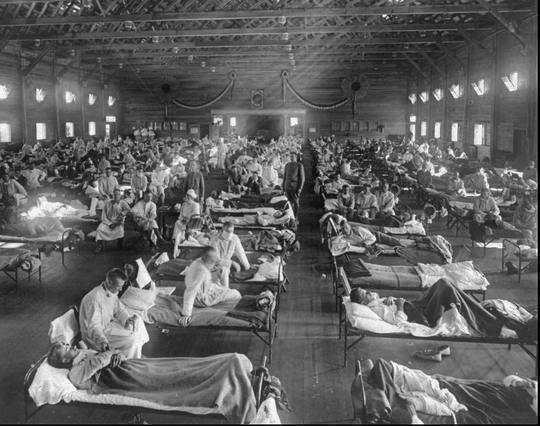
2018 marked the 100th anniversary of the great influenza pandemic of 1918. Between 50 and 100 million people are thought to have died, representing as much as 5 percent of the world’s population. Half a billion people were infected.

A potential crisis simmers in the shadows: The global dependence on China for the production of pharmaceuticals and medical equipment.
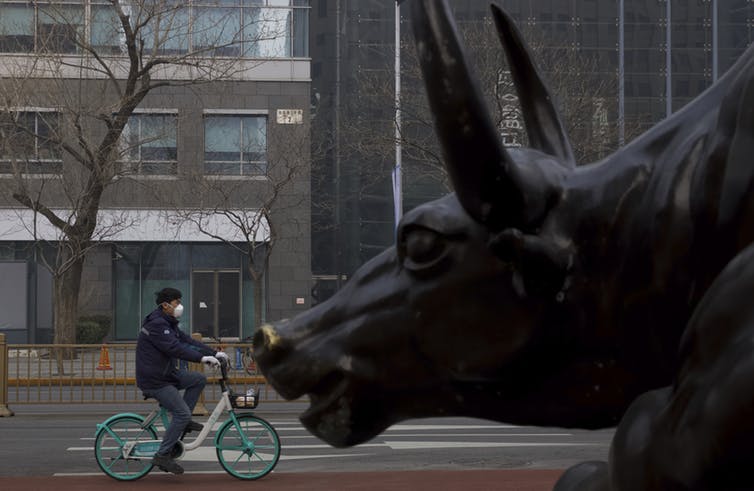
Lately, many people have asked me, as an economist, a question I haven’t heard in years: Could a virus really send the global and U.S. economies into recession – or worse? Put more pertinently, will COVID-19 trigger an economic meltdown?

Paying back student loans is not an easy thing to do. One out of every 5 borrowers with outstanding student loan debt has fallen behind their payments.

A banking desert is an area without traditional financial institutions and services. They are common in rural areas because large financial institutions are reluctant to operate in less populated areas that are less profitable.
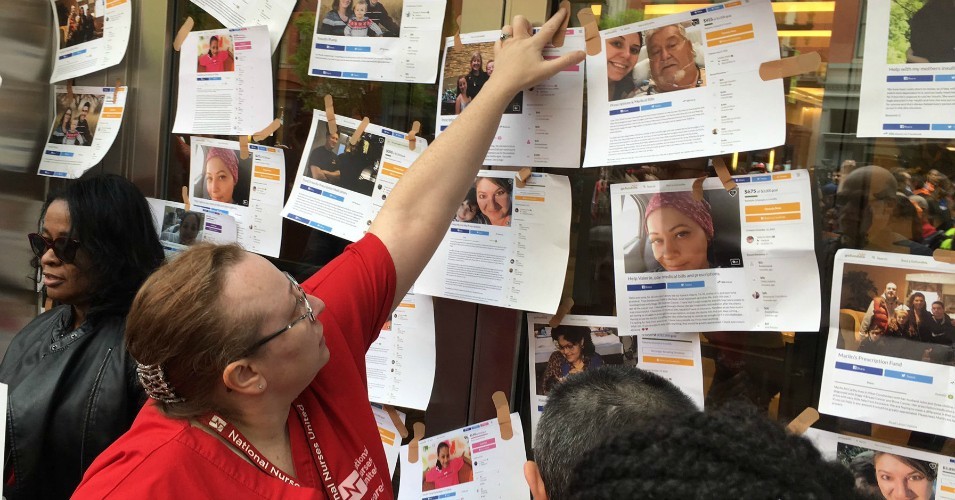
No one should have to beg for money to get the healthcare they need in the richest country on Earth.

More than half of Australians over the age of 55 are open to downsizing, according to a new report based on a survey of 2,400 households.

If you thought workers’ hourly pay was finally rising, think again. At first glance, the latest data – which came out on Feb. 7 – look pretty good.

It’s hardly surprising that if a Democrat wins the White House, taxes on wealthy Americans and corporations will probably go up. How they’ll go up is the more interesting question.

What do we mean when we talk about “socialism”? Here are ten things about its theory, practice, and potential that you need to know.
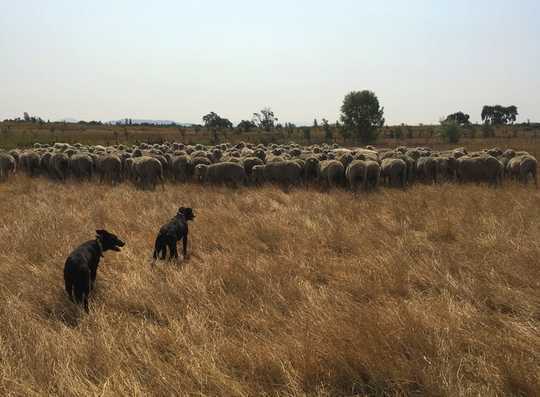
As California contends with drought, wildfires and other impacts of climate change, a small yet passionate group of residents are attempting to lessen these effects and reduce the state’s carbon emissions.

Make no mistake, how we pay for healthcare in the US is broken for many individuals and for many communities. Like a tire with a slow leak, without immediate repair, the outlook for the largest industry in the US economy is bleak.

Trump wants to destroy Medicaid while claiming to save it. This fiendish scheme is an Orwellian fable conjured up by the most shameless pack of liars to ever occupy our government.

It’s no secret that the biggest gains in the growing global economy are reaped by the extremely wealthy.
The New Moon arrives in Leo August 12 at 8:36 PM UTC, and with it comes a singular...

Life will always hand us criticism, disappointments, and unexpected challenges. The real...

A study reveals that while many online daters strive for honesty, a notable percentage...

Mars is entering Cancer on August 12 and this shift changes how you move through...

There is a moment most of us remember — standing in front of someone we loved, arms...
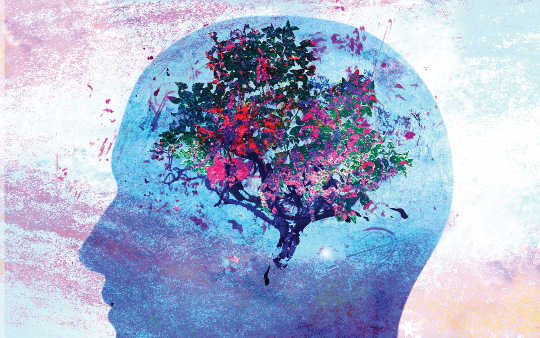
Recent research explores the complex dynamics of altruistic cruelty, revealing that...

You imagined the newborn haze would be hard, but you did not quite picture yourself...

What if peace of mind depends not on remembering every hurt, but on keeping only the...