
Fitness & Exercise
Why Hard Physical Work Is Not the Same as Exercise for Brain Health
A sweeping new meta-analysis covering more than 4.2 million people has uncovered a striking paradox: while leisure-time physical activity reduces dementia risk by roughly 24%,...









 A small number of people—about 6 percent—who had not been taking opioids before an operation, but got them to ease post-surgery pain, are still taking painkillers three to six months later. That’s long after what is considered normal for surgical recovery.
 A new device can produce enough food to make one salad per week for an entire year—and do it inside an apartment.
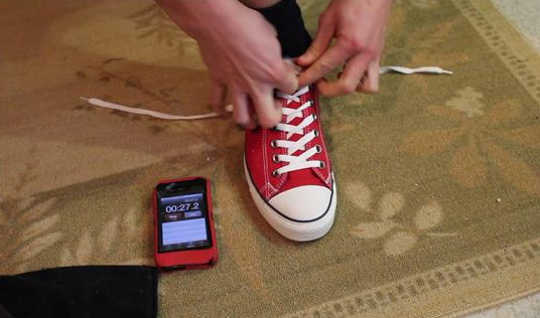 The mystery behind why your shoelaces constantly seem to untie themselves could finally have a solution.
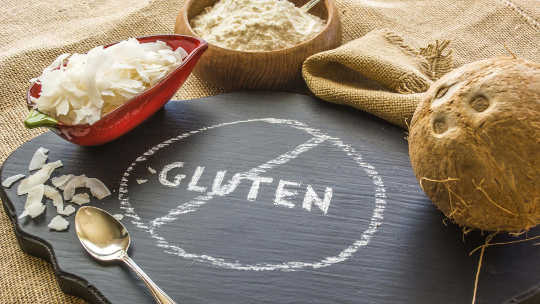 The common but otherwise harmless reovirus can trigger the immune system response to gluten that may lead to celiac disease, new research shows.
 This is the greatest favor I can do for you as a nutritionist: A diet program that doesn’t tell you exactly which foods to eat and in what amounts. Empowering you to be in deeper relationship with food and with the genius in your body is the surest road to your most powerful metabolism.
 Previously, researchers knew that depriving mice of sleep after the mice performed a task resulted in the mice forgetting aspects of that task. But researchers weren’t sure what function of the hippocampus
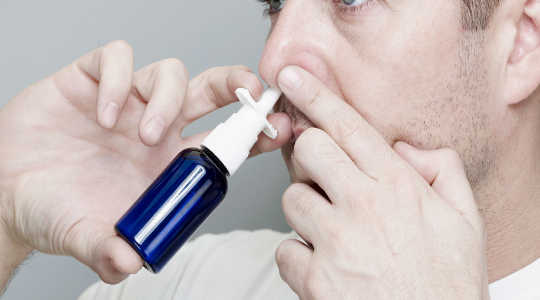 A nasal spray can limit damage to the brain from a seizure disorder called status epilepticus, a study in animals shows.
 We have all had experiences of wanting something to happen and being devastated when it didn’t, only to realize later that “the timing wasn’t right.” The term divine timing typically refers to the idea that everything happens at the “right” time...
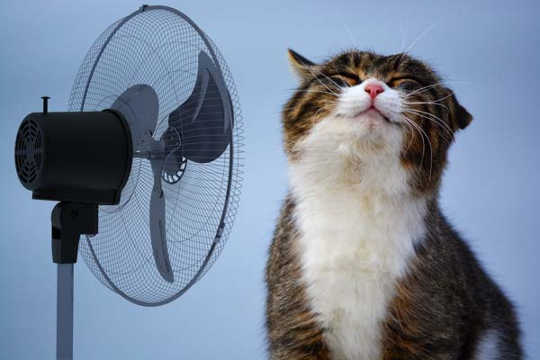 As the weather heats up, Australian households won’t just be cranking up the air conditioning for themselves.
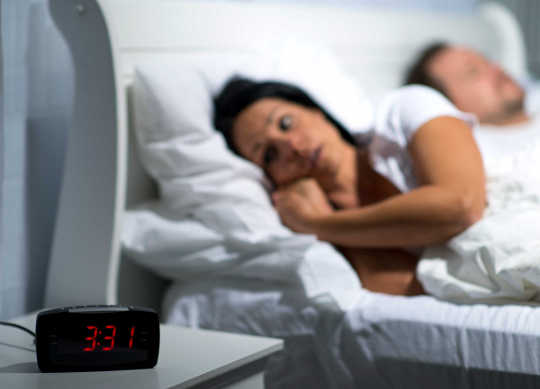 The unmet sleep needs of the elderly elevate their risk of memory loss and a wide range of mental and physical disorders, say researchers.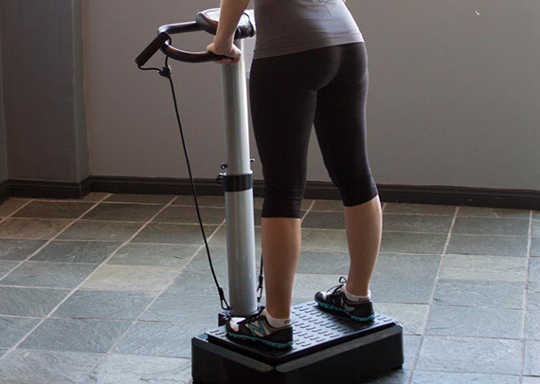


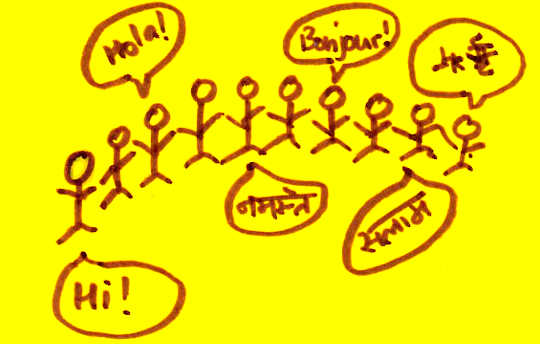 I was one of those considered lucky enough to be “good at languages” and I studied three: French, German and Spanish. Like me though, I imagine you can remember friends who froze at the thought of speaking a second language in class.
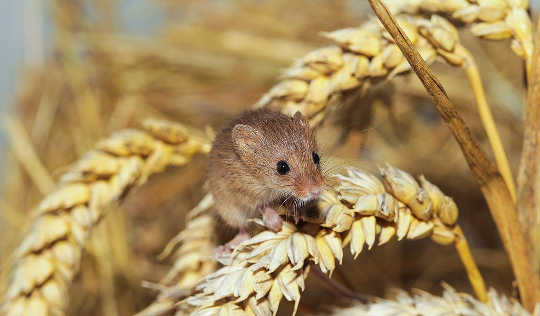 Hunter-gatherers began putting down roots in the Middle East long before the advent of agriculture.
 It was once a fringe topic for scientists and a pseudo-religious dream for others.
 Specific patterns of activity on brain scans may help clinicians identify whether psychotherapy or antidepressant medication is more likely to help a patient recover from depression.
 Obsidian asks us not to look upon the broken pieces that lay on the ground; rather, obsidian helps us to see ourselves as the perfection that is revealed from within when the unnecessary parts of ourselves are stripped away.