
Planets & Transits
New Moon in Leo August 12, 2026
The New Moon arrives in Leo August 12 at 8:36 PM UTC, and with it comes a singular...








![bowls of apples & oranges on counter Share This Article facebook twitter Action Beyond the usual advice about less food and more exercise, the study suggests that consciously replacing unhealthy cues with healthy ones in the home could have a real impact on a person's BMI, especially for women. (Credit: Abi Porter/Flickr) How the kitchen counter can predict your weight Cornell University rightOriginal Study Posted by George Lowery-Cornell on October 20, 2015 You are free to share this article under the Attribution 4.0 International license. The types of ready-to-eat foods on a kitchen countertop could also hint at the weight of the people in the home, particularly women. The study looked at photographs of more than 200 kitchens in Syracuse, New York, to test how the food environment relates to the body mass index (BMI) of the adults at home. The women in the study who kept fresh fruit out in the open tended to be a normal weight compared with their peers. But when snacks like cereals and sodas were readily accessible, those people were heavier than their neighbors—by an average of more than 20 pounds. “It’s your basic See-Food Diet—you eat what you see,” says Brian Wansink, professor and director of the Cornell Food and Brand Lab and lead author of the paper in the journal Health Education and Behavior. [Would you take food advice from a heavier blogger?] The study finds that women who kept soft drinks on their counter weighed 24 to 26 pounds more than those who kept their kitchen clear of them. A box of cereal on the counter lined up with women there weighing an average 20 pounds more than their neighbors who didn’t. “As a cereal-lover, that shocked me,” says Wansink. “Cereal has a health-halo, but if you eat a handful every time you walk by, it’s not going to make you skinny.” When unhealthy foods are the most visible options in the kitchen, falling into habits that lead to weight gain becomes easier. Keeping those foods out of sight by sequestering them in pantries and cupboards reduces their convenience, making it less likely that they will be grabbed in a moment of hunger. Clearing the counters of the cereals, sodas, and other snack items and replacing them with healthier visible cues like fresh fruit could help, the study finds: Women who had a fruit bowl visible weighed about 13 pounds less than neighbors who didn’t. [Could a bribe entice you to eat less?] The study also finds that normal-weight women were more likely to have a designated cupboard for snack items and less likely to buy food in large-sized packages than those who are obese. The findings provide new insights into the role environmental factors play with obesity and offer remedies to rid the home of unhealthy cues while promoting the healthy ones. Rather than just the usual dietary advice prescribing less food and more exercise, the study suggests that consciously replacing unhealthy cues with healthy ones in the home could have a real impact on a person’s BMI, especially for women. “We’ve got a saying in our lab, ‘If you want to be skinny, do what skinny people do,'” Wansink says. Source: Matt Hayes for Cornell University](/images/2015/540/apples_and_oranges.jpg)
Beyond the usual advice about less food and more exercise, the study suggests that consciously replacing unhealthy cues with healthy ones in the home could have a real impact on a person's BMI, especially for women.
 "It's kind of ironic. In our laboratory, working with carbon nanotubes, we wear facemasks to prevent exactly what we're seeing in these samples, yet everyone walking around out there in the world probably has at least a small concentration of carbon nanotubes in their lungs," says Lon Wilson.
 U.S. Surgeon General Vivek Murthy recently released a call to action detailing the benefits of walking for at least 20 minutes a day. Of course, all exercise is good for you, but Murthy says walking tends to be the easiest for people to stick with .
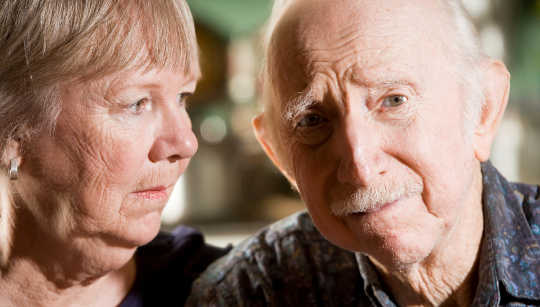 Nearly four in 10 older adults say managing their health care needs is difficult for them and their families. They also say medical appointments or tests get delayed or don’t get done, or that all of the requirements of their health care are too much to handle.
 Many workplaces are sedentary environments, and researchers say it's important that people understand the effects of sitting on their vascular health. By breaking up desk time with a short walk, workers can offset the harm caused to vascular blood vessels.
 Food intolerance is often dismissed as a modern invention and a “first-world problem”. However, a study analysing the genomes of 101 Bronze-Age Eurasians reveals that around 90% were lactose intolerant.
 A new study of more than 500,000 Chinese adults over seven years finds that participants who ate foods flavored with chili peppers every day reduced their risk of premature dying by 14 percent, as compared to people who ate chili peppers less than once a week.
 Cancers have many strategies for avoiding attacks from the immune system. And now scientists have identified a new one.
 The uptick in plastic packaging is a result of schools' efforts to streamline food preparation and meet federal nutrition standards while keeping costs low. "If this is an avoidable exposure, do we need to risk it? If we can easily cut it out, why wouldn't we?" says Jennifer Hartle.
 Drinking concentrated beet juice, which is high in nitrates, increases muscle power in patients with heart failure, a new study shows. “It’s a small study, but we see robust changes in muscle power about two hours after patients drink the beet juice,”
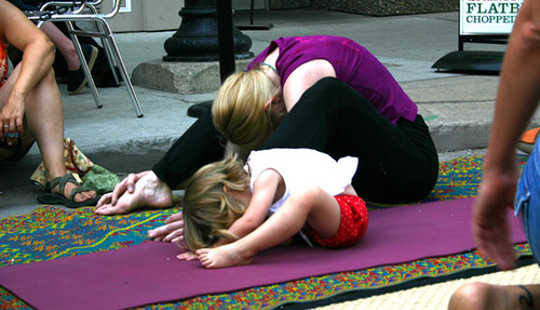 "Yoga may be especially well-suited to people with arthritis," says Susan J. Bartlett. "It combines physical activity with potent stress management and relaxation techniques, and focuses on respecting limitations that can change from day to day."
 In this excerpt, Ewald Kliegel provides reflexology techniques for one of the most common human ailments – the headache. The head is prone to different problems – from throbbing temples with the sensation of being trapped in a vice, while a jackhammer is busy at work in the background, to having a brain that feels as though it is made of cotton wool.
 "Everybody believes that heat is dangerous but not for them," says Gregory Wellenius. "One of the messages is that this is really across the age spectrum. Heat remains one of the leading causes of weather-related deaths."
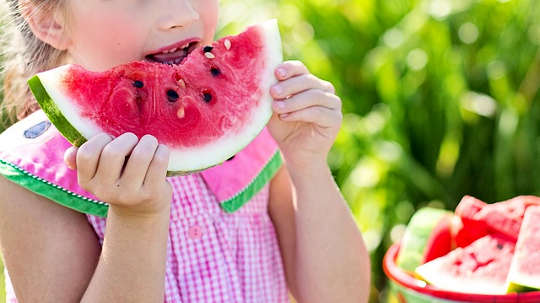 There are opportunities to maximize the quality of the foods we consume through careful selection and astute buying. There are also opportunities for some families to become involved in the production of wholesome vegetables by growing vegetables in pots on a patio, lawn space, or by participating in a community garden project.
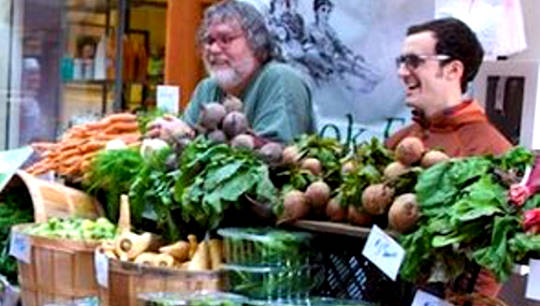 Food is simple. At least, it used to be. Knowing what to eat and whether it was healthy and healing for us was clear. It was instinctual. We did not have to think about food. We just ate it. Today, food has become complicated. As humans normally do with most issues, we overthink them...
 Neuroscientists have found a key molecular difference between males and females in how synapses are regulated in the hippocampus. The findings suggest that female and male brains may respond differently to drugs, such as endocannabinoids, that target synaptic pathways.

Looking around at a 20th high school reunion, you might notice something puzzling about your classmates. Although they were all born within months of each other, these 38-year-olds appear to be aging at different rates.
 Anyone who battles addiction knows that it's so much more than a bad habit or a moral shortcoming. Addiction is a compulsion so beyond our control, that we may as well be a feather fighting against a gale-force wind. Until...one day the wind subsides.
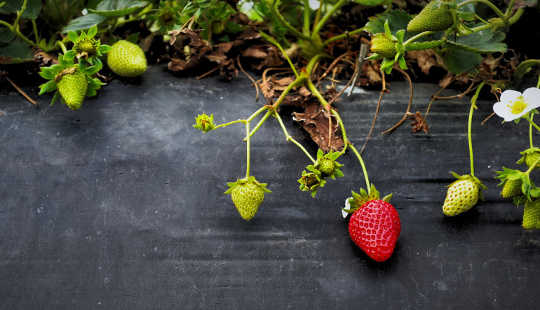 High vitamin C concentrations in the blood from eating fruit and vegetables are associated with a reduced risk of cardiovascular disease and early death, report researchers.
 Just as a disease can announce itself suddenly, healing can also arrive in an instant. A sudden illness is called unfortunate, while a sudden healing is called a miracle. However, both take part in the same essence: they are forms of the language of the subconscious.
 A new study finds quantifiable evidence that walking in nature could lead to a lower risk of depression. “These results suggest that accessible natural areas may be vital for mental health in our rapidly urbanizing world,” says coauthor Gretchen Daily, professor in environmental science and a senior fellow at the Stanford Woods Institute for the Environment.
The New Moon arrives in Leo August 12 at 8:36 PM UTC, and with it comes a singular...

A study reveals that while many online daters strive for honesty, a notable percentage...

Mars is entering Cancer on August 12 and this shift changes how you move through...

There is a moment most of us remember — standing in front of someone we loved, arms...
Recent research explores the complex dynamics of altruistic cruelty, revealing that...
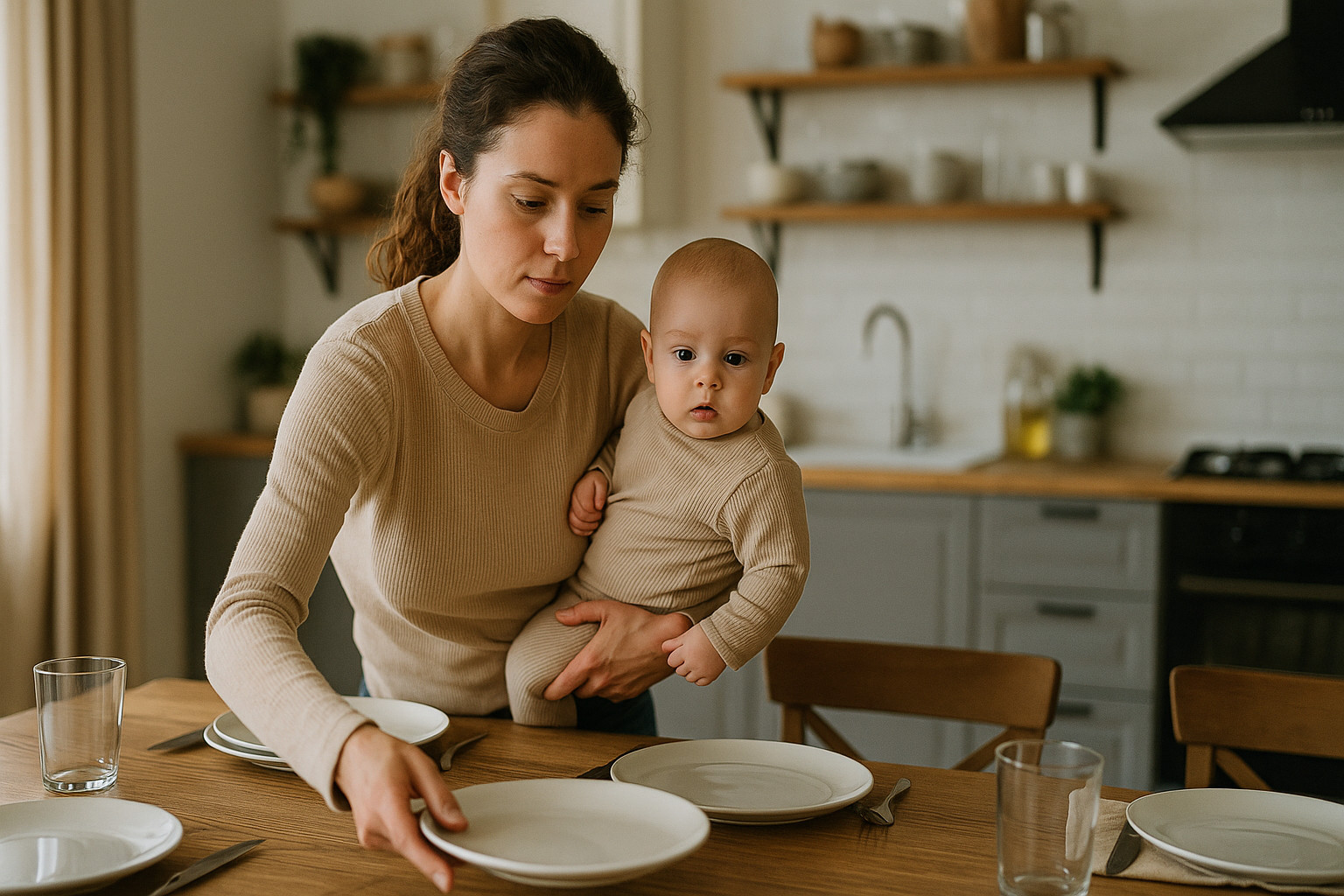
You imagined the newborn haze would be hard, but you did not quite picture yourself...

What if peace of mind depends not on remembering every hurt, but on keeping only the...
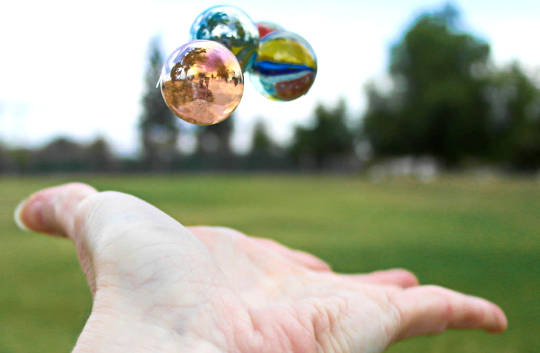
Many individuals unknowingly adopt limiting beliefs from others, which can lead to...