
Planets & Transits
New Moon in Leo August 12, 2026
The New Moon arrives in Leo August 12 at 8:36 PM UTC, and with it comes a singular...









In less than six weeks’ time working together, Sandy lost fifteen pounds and within four months she was a total of forty-five pounds lighter while eating more fat and exercising less. Her war with food was over, and she finally had what she wanted. Here’s what she did.
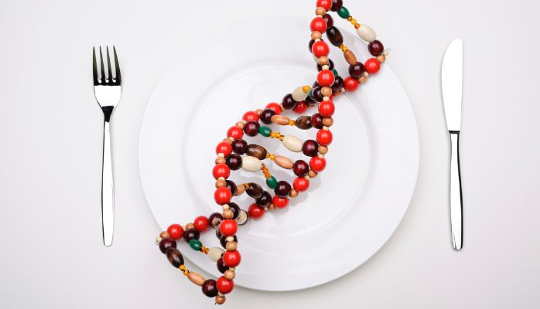 Research in animal models with different genetics shows that one diet really doesn’t fit all, and what works for some may not be best for others, according to a Texas A&M study published in the journal Genetics.
 As the weekend approaches, people are opening wine bottles in bars and restaurants and homes around the world, ready to kick back and relax.
 New research clarifies the mechanisms by which caloric restriction rapidly reverses type 2 diabetes. One in three Americans will develop type 2 diabetes by 2050, according to recent projections by the Center for Disease Control and Prevention. Reports indicate that the disease goes into remission in many patients who...
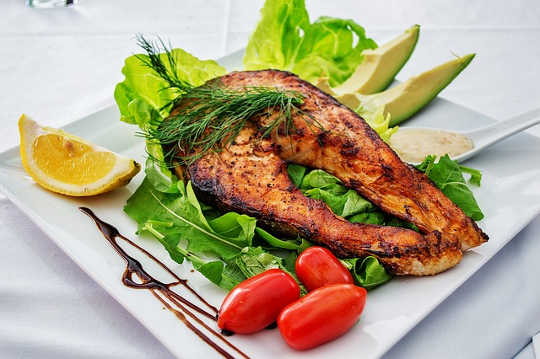 A high-fat, or ketogenic, diet not only increases longevity, but also improves physical strength, according to new research with mice. Ketogenic diets have gained popularity for a variety of health benefit claims...
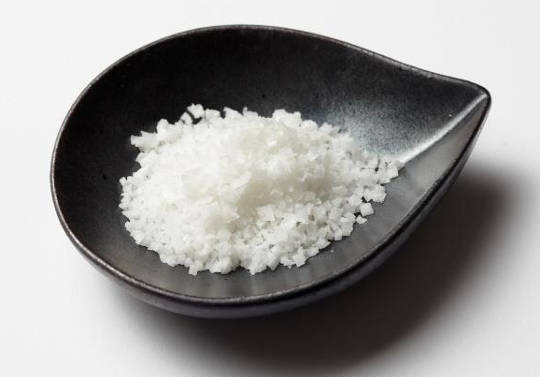 A look at menu items from 66 of the top 100 chain restaurants shows that while restaurants are offering lower-sodium options, food—particularly in main course items—is still high.
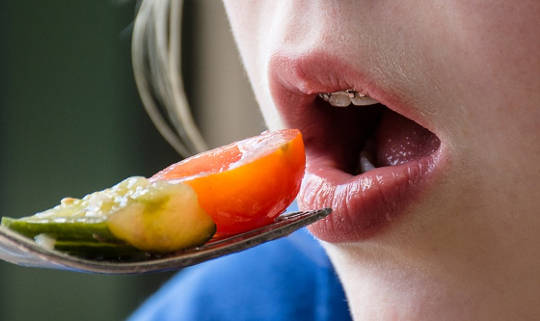 Researchers have discovered brain cells that control our appetite. This major discovery opens up new possibilities for creating more effective diets—and even future treatments to suppress one’s appetite by directly activating the brain’s tanycytes, bypassing food and the digestive system.
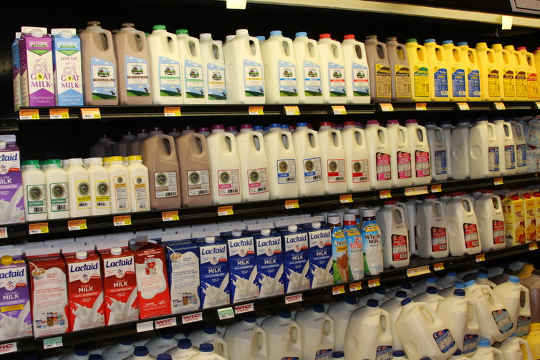 Humans began domesticating animals for food over 10,000 years ago, cultivating a close relationship with animals over the following millennia.
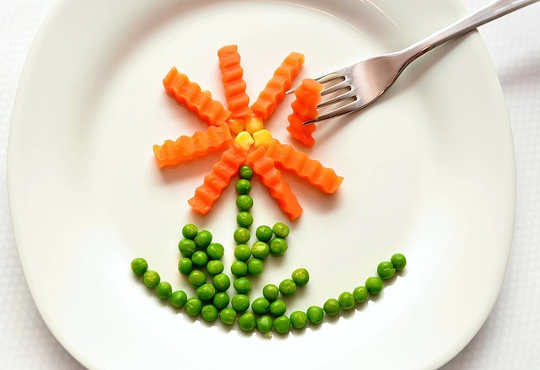 It’s fair to say that frozen food has a bit of an image problem. One in three Britons believe it is inferior to fresh food, and 43% say that nothing could persuade them to buy more frozen fare.
 Our sense of smell is key to the enjoyment of food, so it may be no surprise that obese mice in a recent study who lost their sense of smell also lost weight.
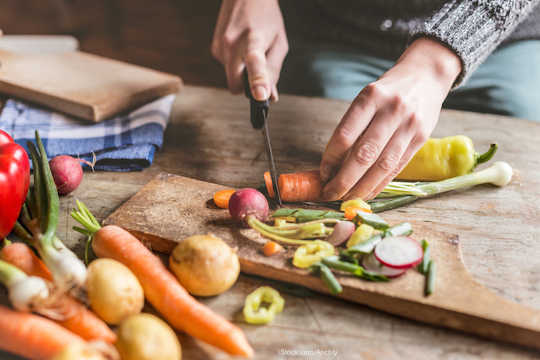
A recent study reveals alarming trends in food safety practices among chefs and the public, highlighting unsafe behaviors that could lead to food-borne illnesses. Despite strict regulations, many chefs in award-winning establishments admit to risky practices, raising concerns about the effectiveness of current food hygiene initiatives.
 Some industry messaging efforts are so heavy-handed they end up highlighting their own PR tactics more than the message they are trying to convey.
 Some people on very low-carb diets say they feel euphoric, have clear minds and lose their appetite.
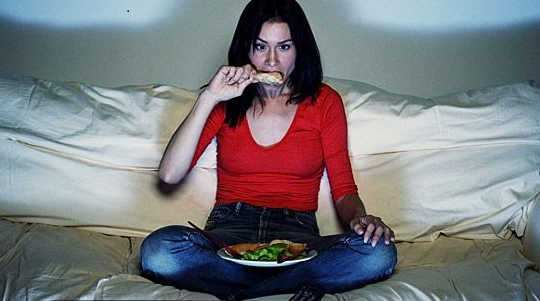 Eating late at night could be worse for your health than you might think.
 Fasting has been used for centuries as both a remedy and a booster in all areas of health: physical, mental, and emotional. In the 21st century, fasting is often looked down upon. It is left out of anti-obesity initiatives because doctors don’t view it as a safe remedy for weight loss...
 Describing vegetables with words normally used for indulgent foods can get people to eat more of them, a new study suggests.
 Women juggle a life of menstruation, pregnancy, birth, menopause, housekeeping, work, raising, children, and on, and on, and on. That’s why we need all the help we can get. Today, I’m going to share some of the many herbal friends that a woman can make pals with.
 Eating late at night could be worse for your health than you might think.
 A new study shows that aspirin, used for decades to reduce the risk of cardiovascular problems, may provide little or no benefit for certain patients who have plaque buildup in their arteries.
 A new report revealed surprising results when Oakland overhauled its lunch menu at 100-plus schools by serving less meat and more fruits and vegetables.

A recent meta-analysis reveals that mixing energy drinks with alcohol significantly increases the risk of injuries from car accidents and fights. The perceived boost in intoxication is linked to psychological beliefs rather than the drinks' actual ingredients, leading to higher risks of risky behaviors among those who consume these combinations.
The New Moon arrives in Leo August 12 at 8:36 PM UTC, and with it comes a singular...

A study reveals that while many online daters strive for honesty, a notable percentage...

Mars is entering Cancer on August 12 and this shift changes how you move through...

There is a moment most of us remember — standing in front of someone we loved, arms...
Recent research explores the complex dynamics of altruistic cruelty, revealing that...

You imagined the newborn haze would be hard, but you did not quite picture yourself...

What if peace of mind depends not on remembering every hurt, but on keeping only the...
Many individuals unknowingly adopt limiting beliefs from others, which can lead to...