
Behavior Modification
Why Do We Keep Doing What We Know Is Bad for Us?
Why do we keep doing things we know aren't good for us? The answer may have less to do with weakness and more to do with habit, emotional soothing, and conditioning....














 We read it in the news every day. From climate change to overfishing to deforestation, it seems that we are on the brink of a natural disaster on an epic scale. If we cannot do something to reverse these trends, we will surely make our planet uninhabitable.
 Many of us also have a strong tendency to withhold giving input to others that we fear may cause them to feel upset or angry. We are reluctant to say things to others that aren’t “nice.” Consequently, we may adopt some effective ways of discouraging...
 Prayer is our personal conversation with God. How many people have been taught how to pray, the value of prayer, or the power of prayer? Were you? And I am not talking about reciting prayers by rote...
 When your heart opens, you access your natural sense of confidence. It emerges when you embrace the moment fully — no matter what is happening. When you show up, available for life just as it is, you feel fully awake and alive.
 We may be beset with all kinds of desires, passions, certainties and non-negotiables at the moment. Ice cold clarity is in the air. We are seeing, perhaps for the first time, the truth of our lives, of the false selves we have worked so hard to sustain, and the real Self neglected in the wings.
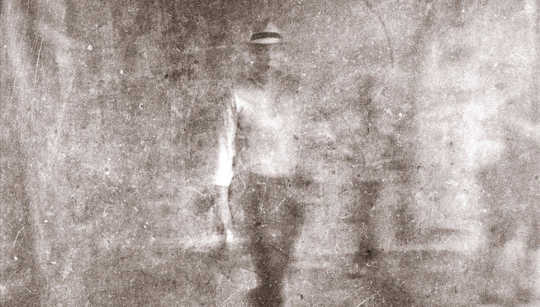 Many people today believe they possess a soul. While conceptions of the soul differ, many would describe it as an “invisible force that appears to animate us”.
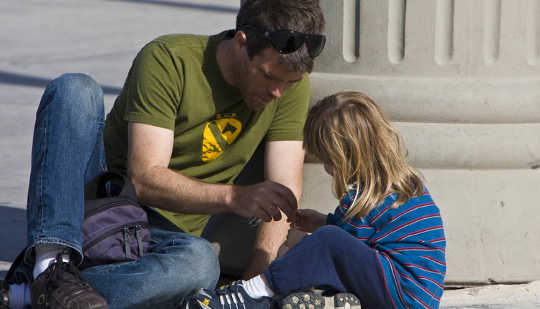 Parents and teachers might often wonder how to teach children caring toward others – more so when the world feels full of disagreement, conflict, and aggression.
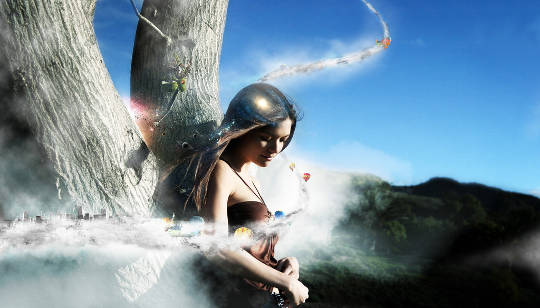 "I was very moved by the Blue Star Kachina prophecy,” Lucina began, sitting self-consciously next to the stranger. “I wanted to share with you a dream I’ve been having for the past months, and maybe you can help me with it? It’s been haunting me and I just want to understand it better.”
 While alcohol is a legal and common way many societies stimulate social interaction, when consumed at high levels over long periods it can undermine physical health and cause cancers and other disease.
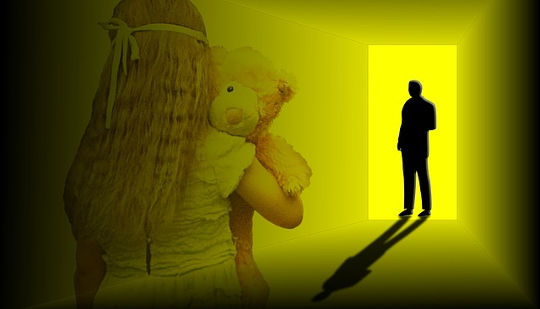 A popular misconception is that most child sex offenders were once victims themselves. The theory is based on the erroneous assumption that they’ve become paedophiles – those preferentially sexually attracted to prepubescent children – because of their victimisation.
 We’ve all had that feeling that somebody is watching us – even if we’re not looking directly at their eyes. But how can we explain this phenomenon without resorting to pseudoscientific explanations like extrasensory perception (or a “sixth sense”)?
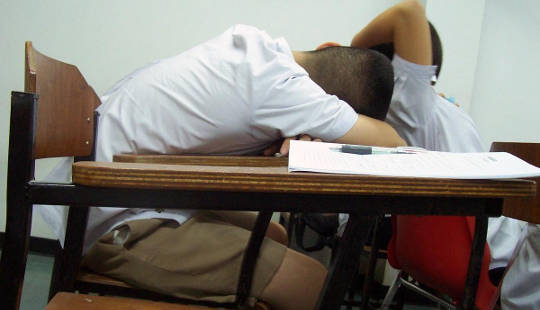 Millions of high schoolers are having to wake up early as they start another academic year. It is not uncommon to hear comments from parents such as, “I have a battle every morning to get my teenager out of bed and off to school. It’s a hard way to start every day.”
 Students from disadvantaged neighborhoods are often drawn to for-profit trade schools after high school, seeing them as the quickest route to jobs.
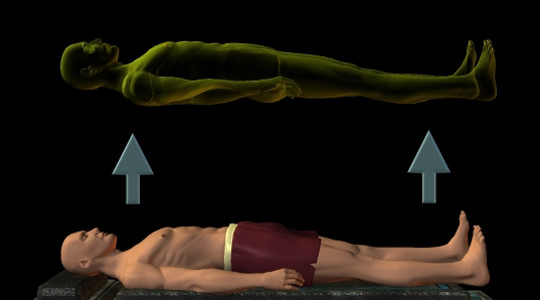 Your eyes begin to open after a good night of sleep, but something feels weird. You try to rub the tiredness out of your face but can’t lift your arms. In a panic you try to take a deep breath but can’t draw air.
 Our linguistic and legal obsession with “insult” and “offence” is nothing new. In 1832, Sydney resident William McLoughlin was given 50 lashes for using the word “damned” against his master.
 With the release of the latest Apple Watch this month came a new Breathe app
  Posting a meme isn’t being the change. Neither is hash-tagging. No matter how relevant and important the cause, you’re not changing the world with a hashtag; you’re just making yourself feel better. If you’re unwilling to actually work toward a solution...
 Tear-jerkers such as Adele’s Someone Like You frequently top the charts these days, while gloomy classical compositions like Mozart’s Requiem have moved people for centuries. Both portray and bring about a strong sense of loss and sadness.
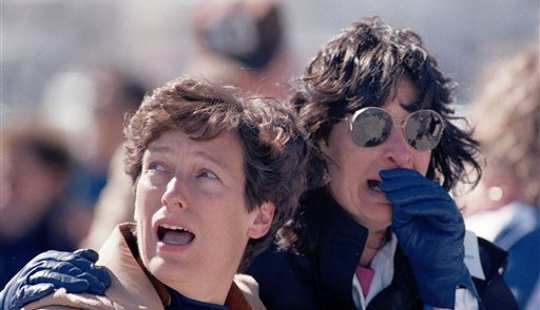 Where were you on Sept. 11 when you first heard that a plane had hit the North Tower of the World Trade Center?
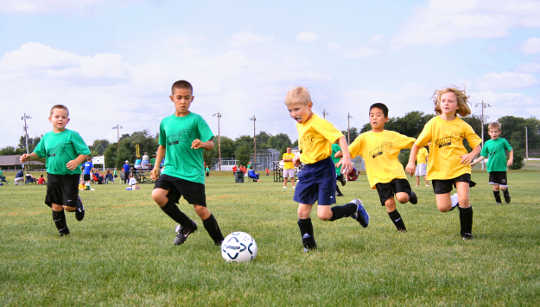 Many young athletes become mentally, emotionally, and spiritually fried by the constant competitive pressure, which includes the overwhelming obsession to win, to gain external recognition, to attain perfection, to fulfill unrealistic expectations, and to measure self-worth solely by results and outcomes.
 People were more likely to underestimate their own level of drinking, drunkenness, and the associated risks when surrounded by other drunk people, a new study shows. Those people also felt more at risk when surrounded by people who were more sober.