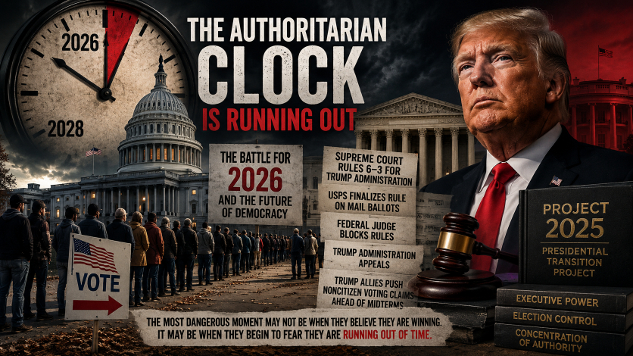
The Authoritarian Clock Is Running Out
The most dangerous moment for American democracy may not come when those attempting to dismantle it believe they are winning. It may come when they begin to fear they are running...


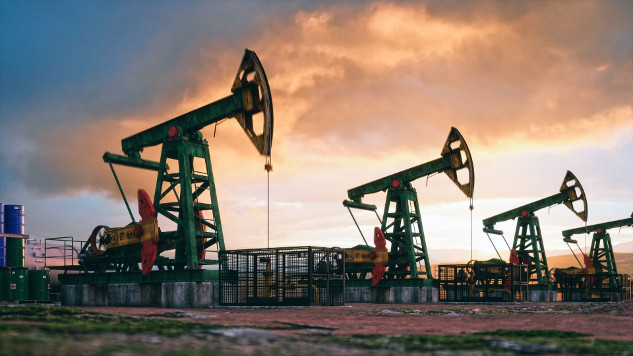
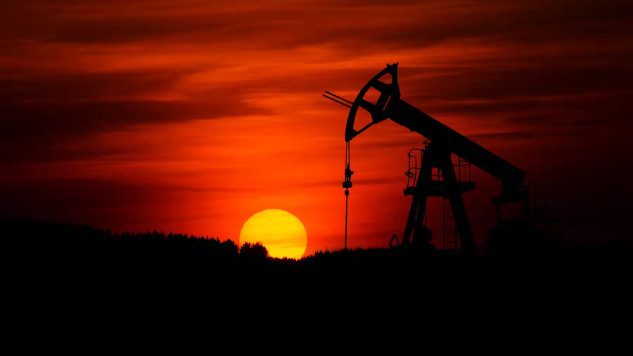
A little over a decade ago, the United States transformed seemingly overnight from a significant oil importer to a leading world producer.

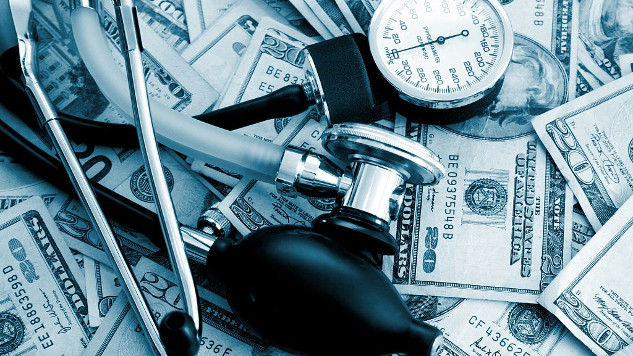
The COVID-19 pandemic exposed significant flaws in America's healthcare system. With costs already sky-high, budgets are strained to the breaking point.

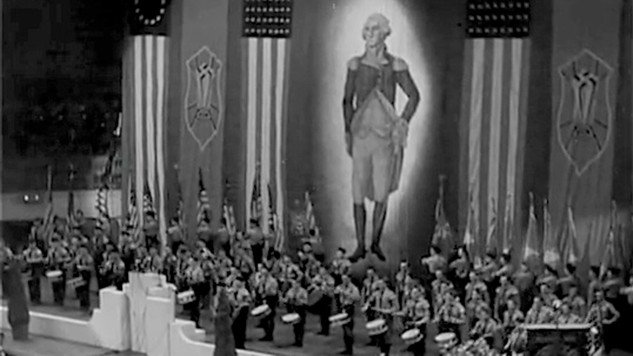
The decade of the 1930s was a tumultuous period that shaped the course of modern history, marked by the ominous rise of fascism. It is a common belief that the tendrils of this political ideology were tightly coiled around the hearts and policies of Europe, particularly in Germany and Italy.

The belief that America is a land of opportunity where hard work pays off used to be a virtual article of faith for most citizens.

In 2000, Nobel Prize-winning atmospheric chemist Paul J. Crutzen proposed that the epoch known as the Holocene, which started some 11,700 years ago, had reached its end.

Migrants can be a transformative force for sustainable development

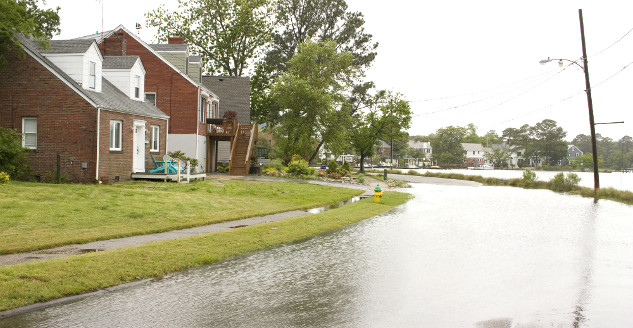
The U.S. East Coast is facing a critical environmental challenge: major cities are experiencing significant land sinking.

As we approach the 2024 elections, we must assess our economic landscape critically. Recent years have seen fluctuations in inflation and wages, impacting not just our personal finances but also the democratic fabric of our society.

Given the amount of moral distress and moral violation in our culture now, it is vital to wake up the need to engage appropriately and as compassionately as possible.

Amid a complex political landscape, three stories emerge that shed light on critical issues of our time.

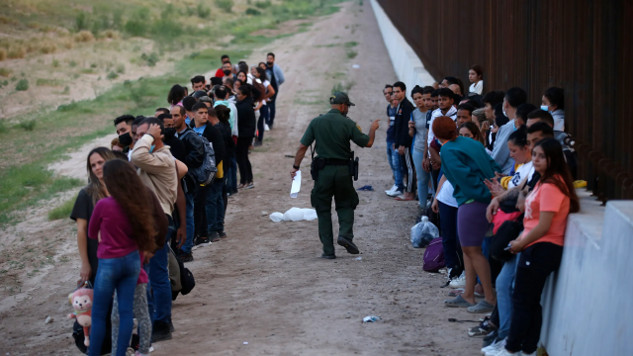
The migration crisis, which has become increasingly visible through heart-wrenching scenes at borders and dangerous journeys undertaken by individuals seeking a better life, is deeply intertwined with broader global issues.

In today's edition of "Today's Uptake" we present a trio of critical analyses on contemporary political issues.

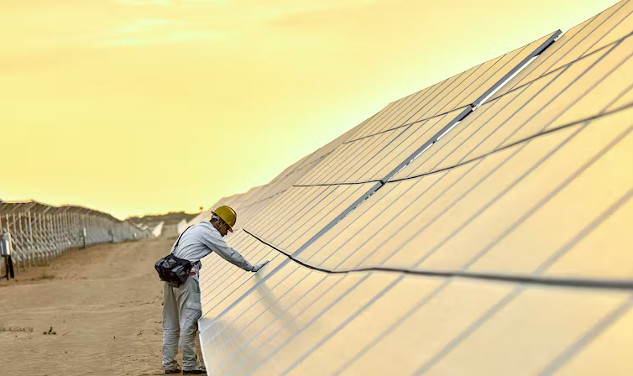
China is the world’s single largest emitter, accounting for 27% of the world’s carbon dioxide and a third of all greenhouse gas emissions.
The disagreement between two climate scientists that will decide our future

The climate change we caused is here for at least 50,000 years – and probably far longer

In 2000, Nobel Prize-winning atmospheric chemist Paul J. Crutzen proposed that the epoch known as the Holocene, which started some 11,700 years ago, had reached its end.

As the latest UN climate change summit (COP28) gets underway in Dubai, conversations around limiting global warming to 1.5°C will confront a harsh reality.

The relationship between the US and China is the most important in the world, and it has been unstable and sometimes under extreme stress in recent years.

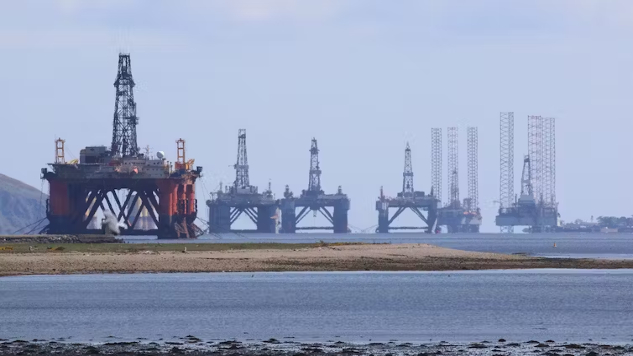
Abandoned oil rigs could scrape carbon from the sky and store it in empty undersea reservoirs

The perception of Dark Age medicine as purely superstitious is challenged by recent research that highlights a rational framework for healing during this period. Early medieval scholars synthesized Christian beliefs with a growing emphasis on human agency in medicine, revealing the complexities of their practices and their influence on modern medical thought.

Autumn has finally arrived in the UK following an unusually sunny September. The days are growing shorter, the temperature cooler, and the leaves are changing colour.