
Fitness & Exercise
Why Hard Physical Work Is Not the Same as Exercise for Brain Health
A sweeping new meta-analysis covering more than 4.2 million people has uncovered a striking paradox: while leisure-time physical activity reduces dementia risk by roughly 24%,...









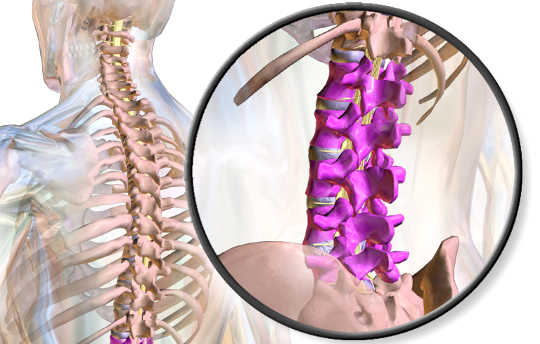 Scientists have used a wireless “brain-spinal interface” to bypass spinal cord injuries in a pair of rhesus macaques, restoring intentional walking movement to a temporarily paralyzed leg.
 Older adults are less inclined to take risks, but this behavior may be linked to changes in brain anatomy rather than age, new research shows.
 Around 2006, Cherokee leaders approached administrative liaison Pat Gwin about starting a seed bank. They already had launched an initiative to improve health care access and infrastructure at the reservation; now, they wanted to go even deeper by recovering ancestral seeds to preserve their cultural heritage.
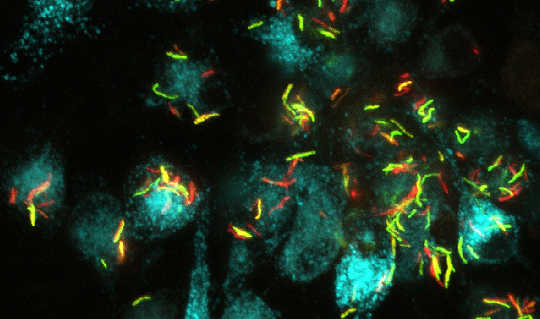
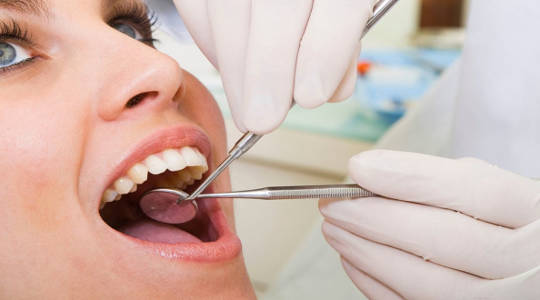 The bacteria that cause chronic gum infections may also trigger the autoimmune inflammation in rheumatoid arthritis (RA), new evidence suggests.
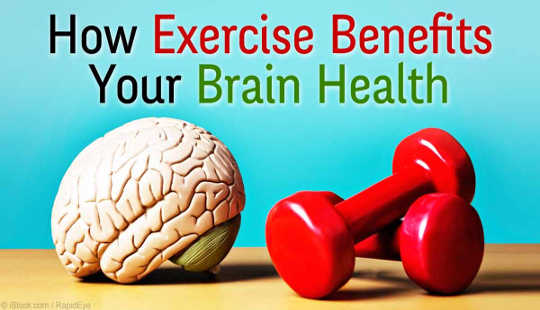 Three things happen to the brain when we exercise, says Wendy Suzuki, professor of neural science and psychology at New York University. She offers a quick explanation in just 90 seconds.
 People in noisy situations should face slightly away from the person they’re listening to and turn one ear towards the speech.
 Every night sit comfortably in a chair and rest your head back, like you do at the dentist. You can use a pillow. Don't change your breathing -- let it be natural. By and by your breathing...
 Many indoor air pollutants are colorless and odorless, which means people often fail to detect them. A team of engineers at Michigan State University is testing a new technology...
 We have somehow imposed an unconscious barrier to obtaining our desires. We are unconsciously worried and afraid to risk moving beyond our upper limit. But often we are not happy in this zone of restriction. Somewhere within us, in our higher self, we realize we are holding ourselves back...
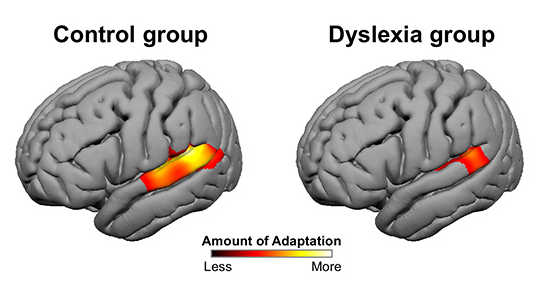 New voices, sounds, sights, feelings, tastes, and smells all trigger a brain response called rapid neural adaptation. It is so effortless that we are rarely even aware it’s happening.
 In an industry usually focused on medicine and procedures, a Philadelphia-area hospital decided what its patients needed was a farm and advice about food.
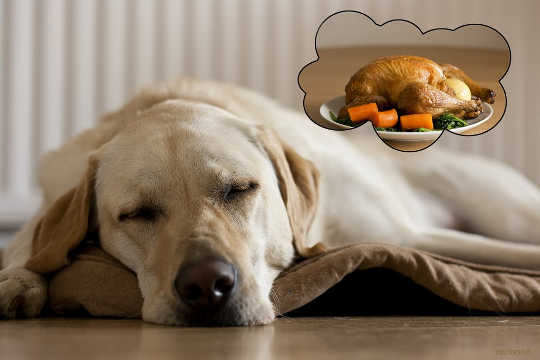 Researchers saw a three-fold increase in BPA levels in dogs who ate canned dog food for two weeks. They also saw changes in the dogs’ gut microbes.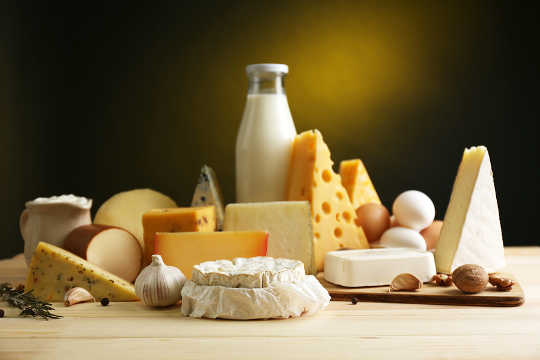
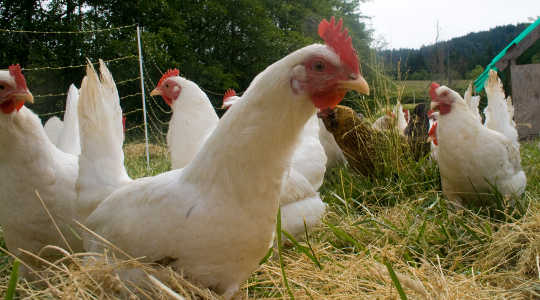 A common bacterium found in improperly cooked chicken can cause Guillain-Barré Syndrome, or GBS, the world’s leading cause of acute neuromuscular paralysis in humans.
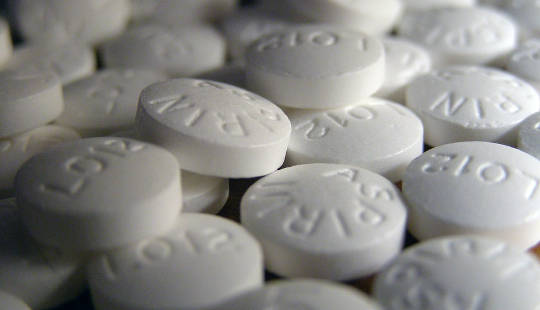 Taking a low-dose aspirin every day to reduce the risk of heart disease or cancer may be worth the increased risk of stomach bleeding, an analysis shows.
 One of the most difficult aspects of depression is coping with the negative thoughts that happen moment to moment. People often ask me whether I think you can take an active role in managing and reducing your depression. I answer a very big yes to this question...
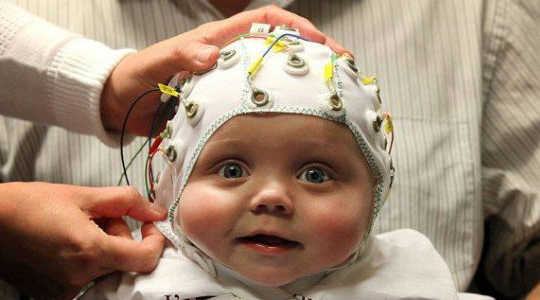 A new study challenges the hypothesis that nerve cells in the brains of people with autism spectrum disorders do not reliably and consistently respond to external stimuli.
 The idea that healthy foods are universally more expensive can lead consumers to make choices that aren’t always necessary, a new study suggests.