
Fitness & Exercise
Why Hard Physical Work Is Not the Same as Exercise for Brain Health
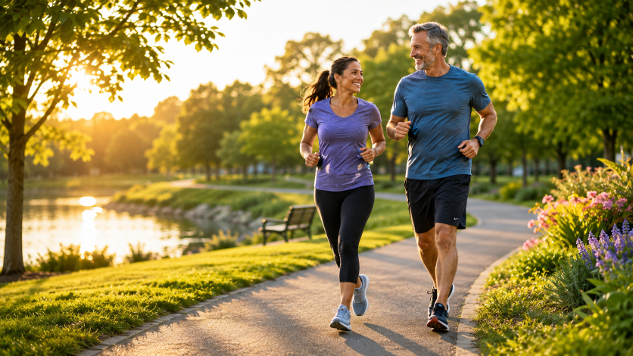
A sweeping new meta-analysis covering more than 4.2 million people has uncovered a striking paradox: while leisure-time physical activity reduces dementia risk by roughly 24%,...










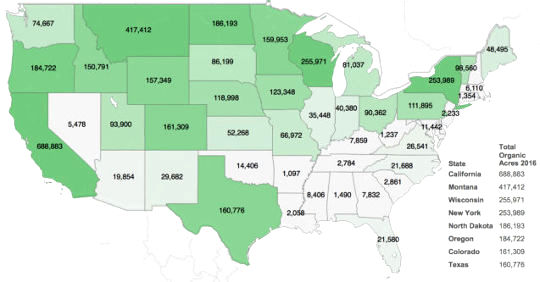 A new report has found that U.S. land for organic farming reached 4.1 million acres in 2016, a new record and an 11 percent increase compared to 2014.
  Experts suggest avoiding war metaphors, such as “attacking” beta amyloid, when talking about Alzheimer’s disease. While war comparisons can motivate efforts to deal with a health issue, this type of language and messaging can also create fear and stigma...
 A review of seven research studies suggests a vitamin D deficiency might increase the risk of bladder cancer.
 The discarded bone of a chicken leg, still etched with teeth marks from a dinner thousands of years ago, provides some of the oldest known physical evidence for the introduction of domesticated chickens to the continent of Africa.
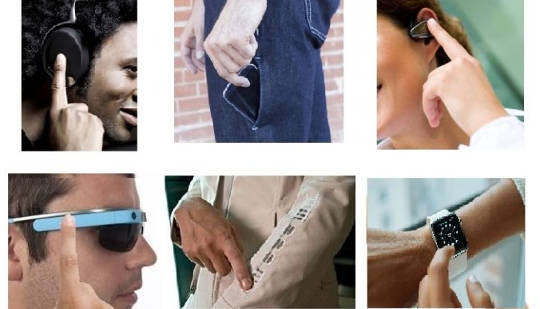 A new system can teach people Morse code within four hours using a series of vibrations felt near the ear.
 Low-income and Latina pregnant women in a recent study had widespread exposure to environmental pollutants. In addition, many of the toxins showed up at even higher levels in their newborns
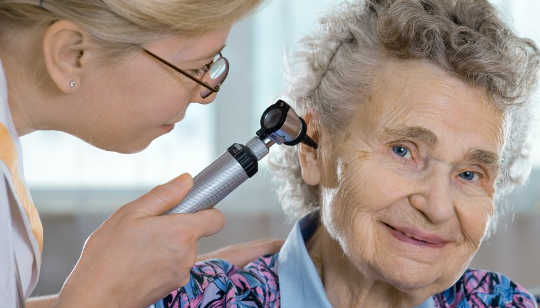 Everyone knows that exercise helps keep weight off and is good for your heart. Now, scientists say it also appears to prevent age-related hearing loss in mice.
 Can a Halloween fright actually scare you to death? Yes, says cardiologist John P. Erwin III.
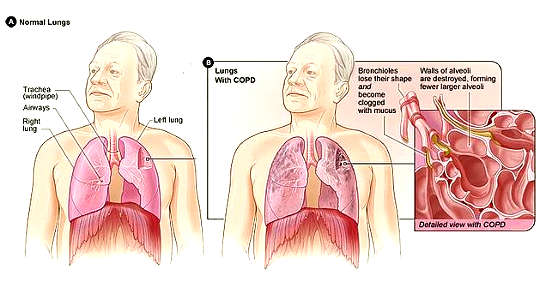 A new study indicates that supplemental oxygen does not benefit a large group of patients with COPD: those with moderately low levels of oxygen in the blood.
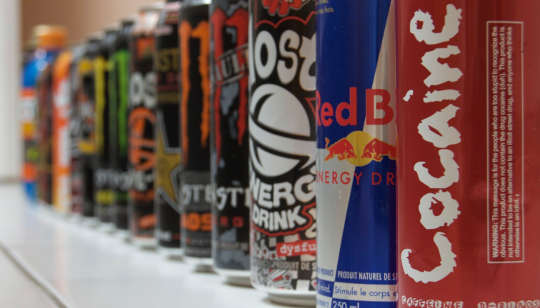 Drinking alcohol mixed with highly caffeinated beverages can have lasting effects on the teenage brain, according to studies in mice.
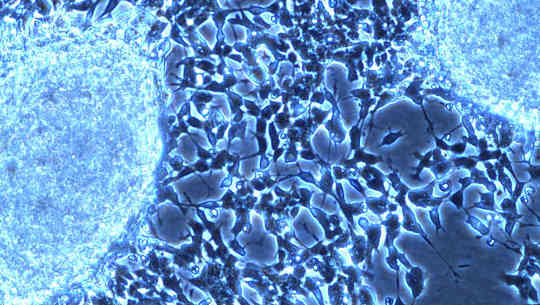 Scientists have linked mutations in a single gene to autism in people who have a rare tumor syndrome typically diagnosed in childhood.
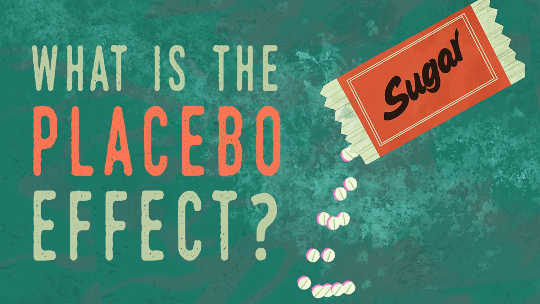 Scientists have identified for the first time the region in the brain responsible for the “placebo effect” in pain relief, when a fake treatment actually results in substantial reduction of pain.
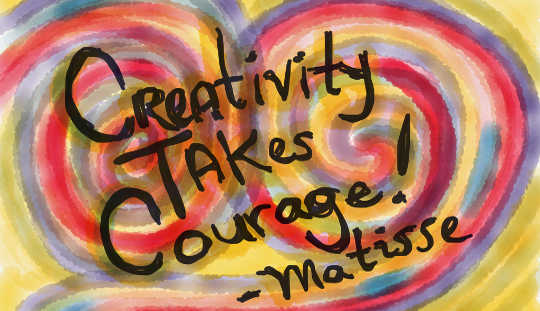 Truly creative people are more interested in the process of creating than its side effects. They do not create in order to get something else. The joy of creating is reward enough in itself. Awards and accolades are not the goal; they are the byproducts of the goal.
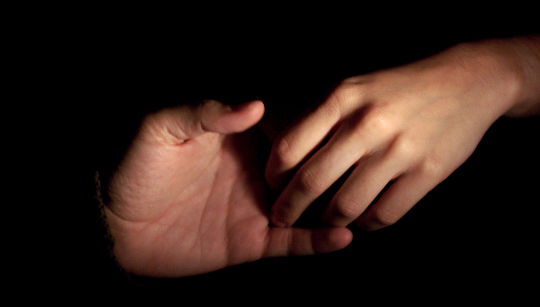 Patients could soon be diagnosed with early-stage arthritis several years before the onset of physical and irreversible symptoms, scientists say.
 Minimal exercise may be all it takes for postmenopausal women to better regulate insulin, maintain metabolic function, and help prevent significant weight gain, a new study suggests.
 Cookies containing iron can cause a striking reduction in the blood lead levels of children in regions with high exposure to the toxic heavy metal, report researchers.
 A new design for solar cells that uses inexpensive, commonly available materials could rival and even outperform conventional cells made of silicon.
 Depending on your genetic make-up, you might be able to drink coffee right before bed or feel wired after just one cup, ongoing research shows.
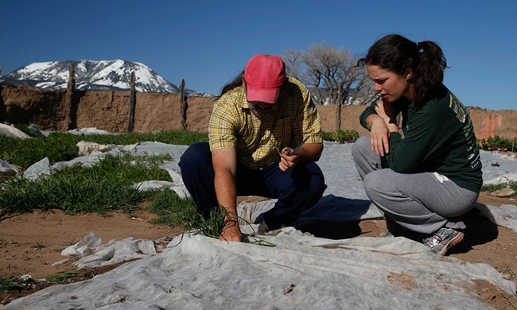 Far from the 9-to-5, the work of building community can be a challenge when the cash economy is less relevant and volunteers are just passing through.
 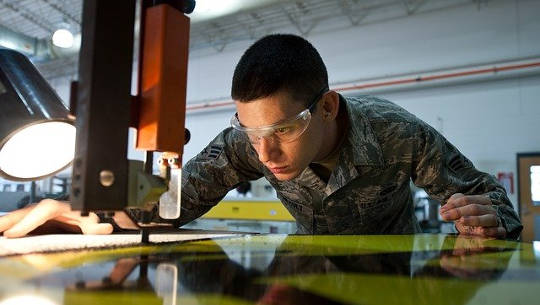 New research identifies ways to help people who don’t gel with the company’s culture stay engaged and become more productive.