
Fitness & Exercise
Why Hard Physical Work Is Not the Same as Exercise for Brain Health
A sweeping new meta-analysis covering more than 4.2 million people has uncovered a striking paradox: while leisure-time physical activity reduces dementia risk by roughly 24%,...












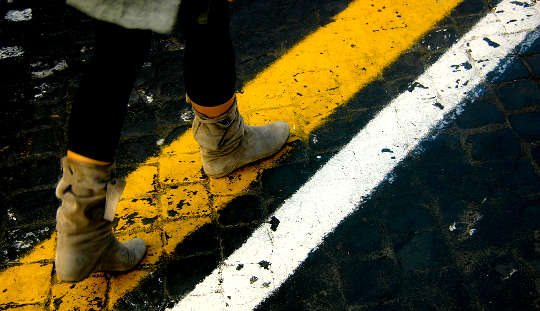 As Dorothy travelled along the yellow brick road she came to a crossroads. Out loud she wondered which way to go and she got a reply from a scarecrow that had been tied to a stake in the middle of a cornfield. He told her that he had no choice but to stay there as he believed...
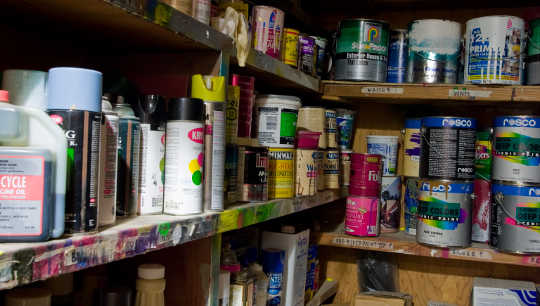 Researchers at George Washington University compiled data from household dust samples collected throughout the United States and found 45 potentially toxic chemicals used in many common products, such as vinyl flooring, personal care and cleaning products, building materials, and furniture.
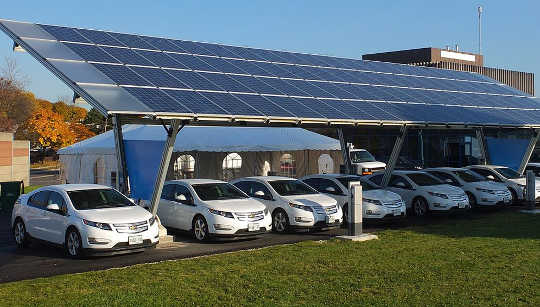 An electric car currently relies on a complex interplay of both batteries and supercapacitors to provide the energy it needs to go places. But chemists are developing a new material that could change that.
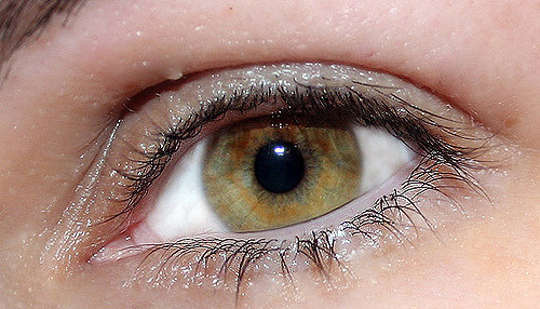 Nearly one-third of Australians aged 55 or over (or around 1.5 million people) have an untreated cataract. In 2013-14, there were 229,693 hospital admissions for cataract surgeries, making cataracts one of the most prevalent conditions among Australians.
 A friend reckons he has it good. His partner cooks a bacon-hash-brown-fry-up for breakfast every day. “Are you sure?” I said. “Cause that’s exactly what I would feed my partner if I wanted to bump him off!”
 With the release of a new film about Edward Snowden, the man who revealed secret documents detailing a massive U.S. government spying program, the debate about his character continues.
 Anyone who has stepped off an airplane in one of the major cities of the developing world has encountered profound and noxious air pollution. In New Delhi, Jakarta,
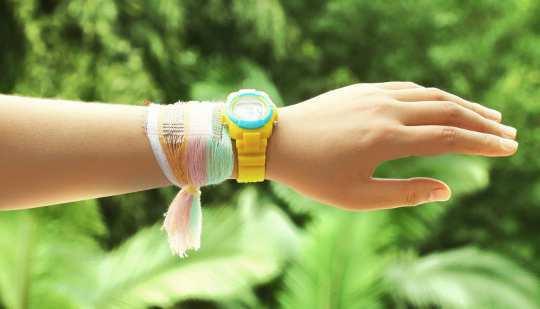 A new fabric harvests energy from both sunshine and motion at the same time.
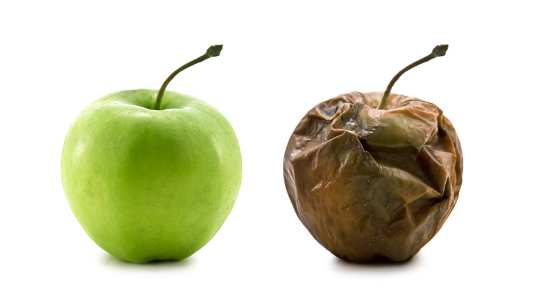 A hotel in Reykjavík has on display a McDonald’s burger and fries, seemingly undecomposed after 2,512 days – and counting. It was bought on October 30, 2009, the day that the last McDonald’s in Iceland closed.
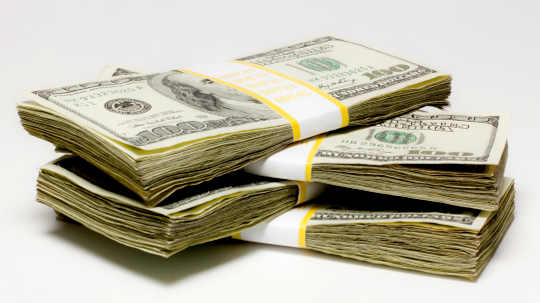 Business writer and journalist Srully Blotnick wrote of a 20-year study of men who became millionaires. The single thing they all had in common was not an overriding desire to make money or gain international reputation, but an overriding love of and determination to do what they loved doing...
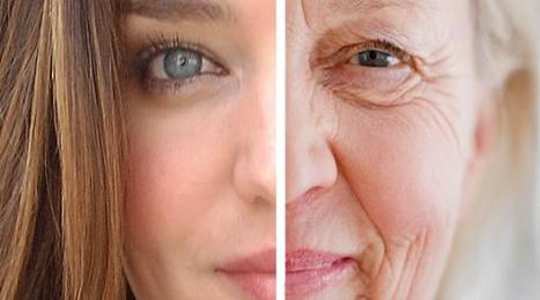 A new study increases and strengthens the links that have led scientists to propose the “transposon theory of aging.”
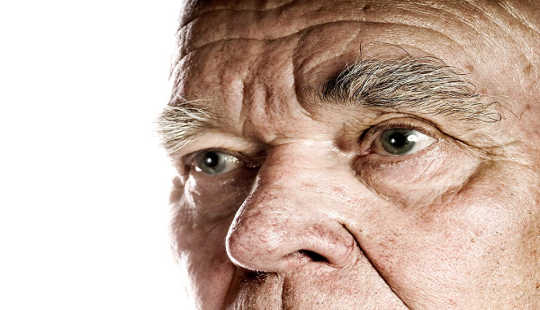 Relying on clinical symptoms of memory loss to diagnose Alzheimer’s disease may miss other forms of dementia caused by Alzheimer’s that don’t initially affect memory, a new study suggests.
 An FDA ruling on Sept. 2 bans the use of triclosan, triclocarban and 17 other antiseptics from household soaps because they have not been shown to be safe or even have any benefit.
 In a squalid fish farm in Yangjiang, Guangdong, farmers fed tilapia fish with the feces of pigs and geese to lower the cost of production.
 The key to sticking with an exercise program is actually enjoying it, new research shows.
 Despite being trapped in Moscow, NSA whistleblower Edward Snowden often ambles through meeting rooms and conference halls in New York City.
 In one of television’s more bizarre recent offerings, the History Channel show “Appalachian Outlaws” follows a band of West Virginians as they hunt rugged forests for
  Modern humans started spreading from Africa to Europe, Asia and Australia some 100,000 years ago – a process that took about 70,000 years.
 How to cope with anxiety, self-doubt, and “the check’s in the mail.” I’m currently waiting for around $10,000 worth of paychecks to reach me for freelance writing projects I’ve done.
 A new screening tool called HemaApp uses a smartphone camera to estimate hemoglobin concentrations and screen for anemia.