
Fitness & Exercise
Why Hard Physical Work Is Not the Same as Exercise for Brain Health
A sweeping new meta-analysis covering more than 4.2 million people has uncovered a striking paradox: while leisure-time physical activity reduces dementia risk by roughly 24%,...














 After numerous food scares in China, the Chinese have become disillusioned with the communist regime’s ability to properly regulate the food industry. And the contaminated food does not just stay in China. The U.S. Food and Drug Administration (FDA) regularly refuses shipments from China...
 A new study complicates the “five-second rule,” the widely accepted idea that it’s okay to scoop up fallen food and eat it if you’re quick enough.
 Quitting smoking improves health and lowers odds of developing lung cancer. And even among smokers with a genetic predisposition to smoking heavily and developing lung cancer at a young age, the benefits of quitting are significant.
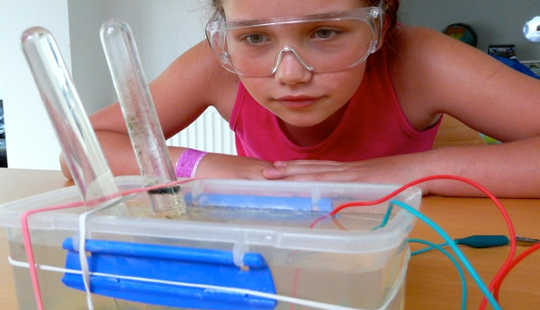 With hydrogen power stations in California, a new Japanese consumer car and portable hydrogen fuel cells for electronics, hydrogen as a zero emission fuel source is now finally becoming a reality for the average consumer.
 Low levels of vitamin D are linked to an increased risk of cognitive decline and impairment in elderly Chinese people.
 Fifty years ago – on Sept. 8, 1966 – TV viewers were transfixed by the appearance on screen of a green-hued, pointy-eared alien called Spock. But beneath the makeup, actor Leonard Nimoy fretted that this would be the end of his promising career.
 Dog owners often notice their pets watching televisions, computer screens and tablets. But what is going on in their pooch’s head? Indeed, by tracking their vision using similar methods used on humans, research has found that domestic dogs do prefer certain images and videos.
 Iron is known to be toxic to brain cells, and tiny magnetic iron particles (magnetite) are thought to be involved in the development of neurological disorders.
  Researchers
  Scientists have predicted that by 2050 there will be 9.6 billion humans living on Earth. With the rise of the middle class, we are expected to increase our consumption of animal products by up to 70% using the same limited resources that we have today.
 Imagine driving a car, using a heads-up display projection on the windshield to navigate through an unfamiliar city
 Researchers working with swarm robots say it is now possible for machines to learn how natural or artificial systems work by observing them—without being told what to look for.
 British breasts are getting bigger, with an annual survey indicating the average woman’s bra size has increased from a 36C to a 36DD
 If woven into clothing, a new low-cost, plastic-based textile could cool your body far more efficiently than is possible with the natural or synthetic fabrics in clothes we wear today.
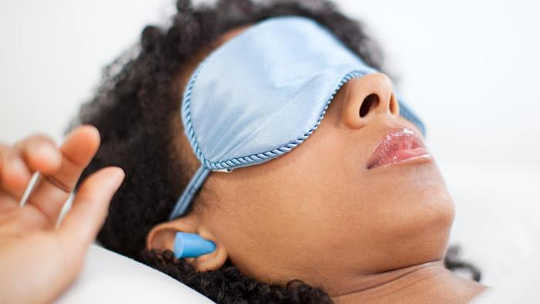 “Never put anything smaller than your elbow into your ear” is something we’ve been wisely cautioned against at some stage or another. But more of us are ignoring this advice.
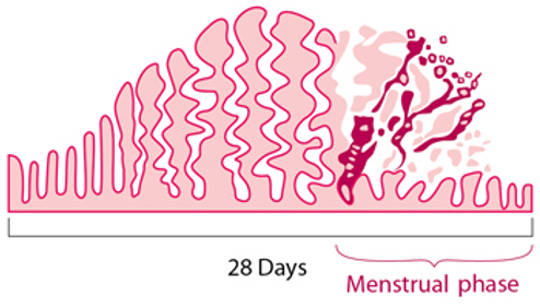 Short menstrual cycle lengths and early or late onset of menstruation are associated with reduced fertility, according to a new study.
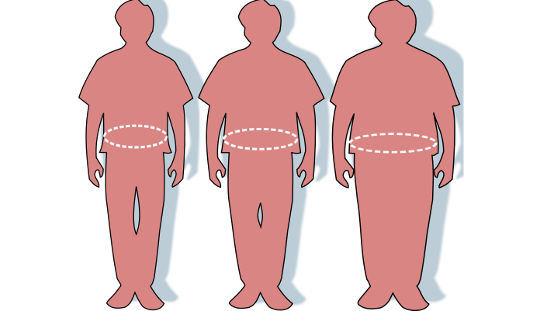 Despite a growing epidemic, many medical providers fail to diagnose obesity in their patients—missing an opportunity to identify an important component of long-term health.
 There has been substantial publicity about the MINDACT trial, which could lead to changes in breast cancer treatment. The study’s results suggest that women with a certain genetic profile would have a good chance of survival and cure regardless of chemotherapy.
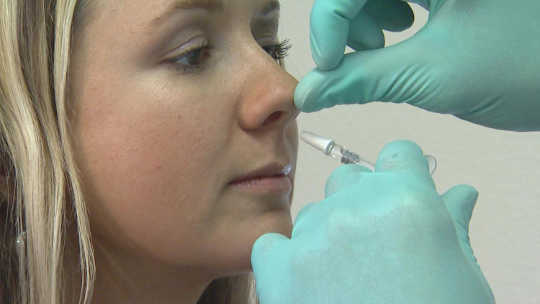 A Phase 3 clinical trial has deemed a nasal spray called Kovanaze safe and effective for avoiding pain at the dentist—including the sting of a numbing injection.
 The updated Toxic Substances Control Act brings new hope for protecting Americans’ health and environment. Here's what it does — and doesn’t — do.