Fitness & Exercise
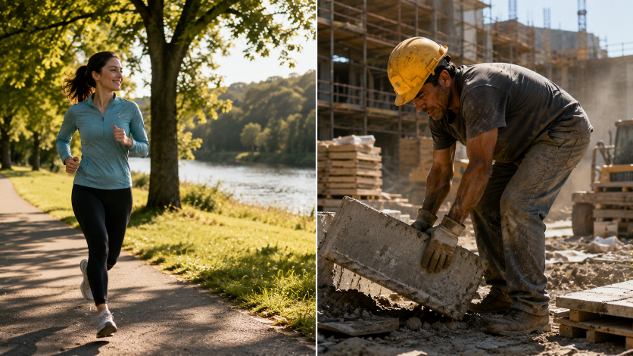
Why Hard Physical Work Is Not the Same as Exercise for Brain Health
A sweeping new meta-analysis covering more than 4.2 million people has uncovered a striking paradox: while leisure-time physical activity reduces dementia risk by roughly 24%,...











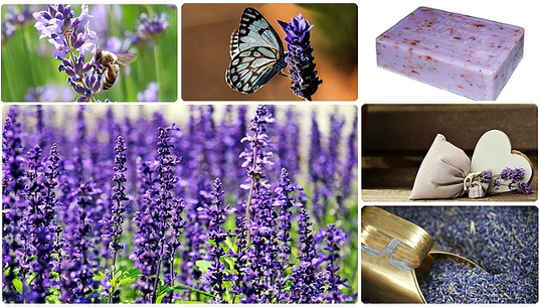 It’s easier than you think to experience the beauty and healing properties of lavender by growing and using your own fresh lavender for use in food, body care, bathing, and other purposes. It can easily be done indoors in pots or outside in your garden.
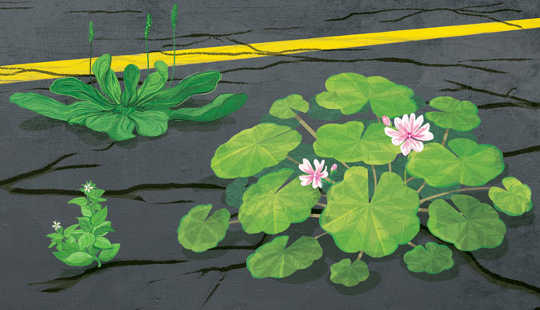 Foraging, or wandering in search of food and plants, isn’t relegated to remote forests and idyllic fields. Edible and usable weeds are abundant in urban environments too.
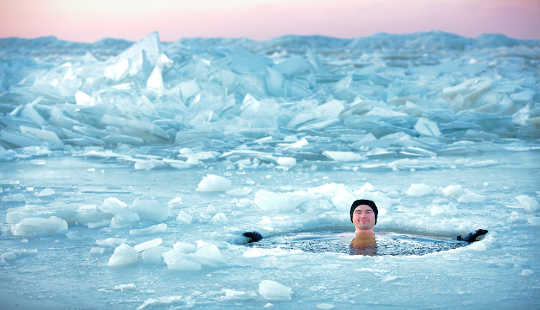 For people in northern countries enjoying summer sun, I hate to put a dampener on things but winter’s coming. The cold months can seem to go on forever, yet scientists are uncovering a new reason to be grateful for them.
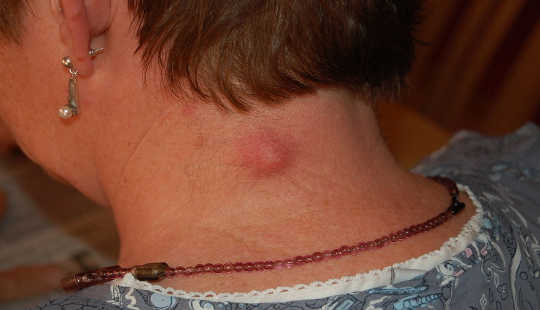 As we age, the smooth skin of childhood gives way to all sorts of mysterious lumps and bumps. In a high-UV environment like Australia, we need to be very alert to the possibility of skin cancers. But most of the skin lumps we develop will be benign. Here are some of the most common, and how to tell them apart.
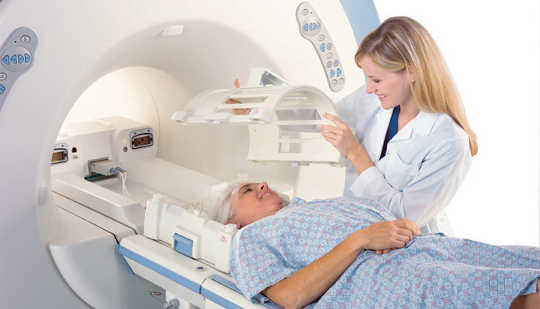 Researchers are testing a non-invasive way to determine if treatments for Parkinson’s slow or stop the progression of the disease.
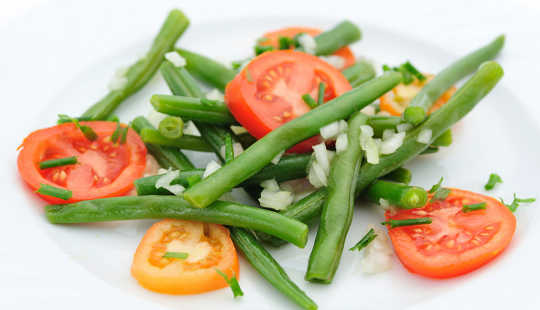 We all know the score: current trends predict there will be 9.7 billion mouths to feed by 2050. Producing enough food without using more land, exacerbating climate change or putting more pressure on water, soil and energy reserves will be challenging.
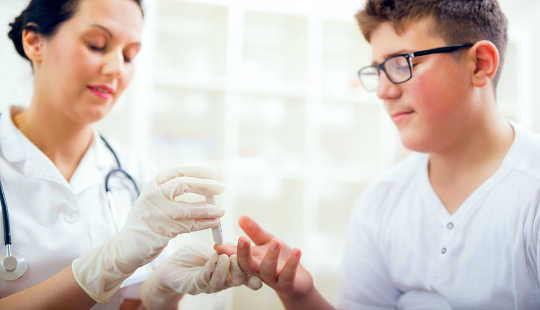 It is well recognised that increasing rates of type 2 diabetes are mainly driven by obesity and lifestyle factors. But that’s not the whole story. Genetics and epigenetics – changes in gene expression – also play an important role.
 From vitamin C and echinacea to warm clothes and antibacterial soap, there’s no shortage of ideas about how to prevent and manage colds and flu. Unfortunately, many of these are not based on solid scientific evidence.
 It’s well-known that those with autism spectrum disorders including Asperger’s syndrome develop difficulties with social communication and show stereotyped patterns of behaviour.
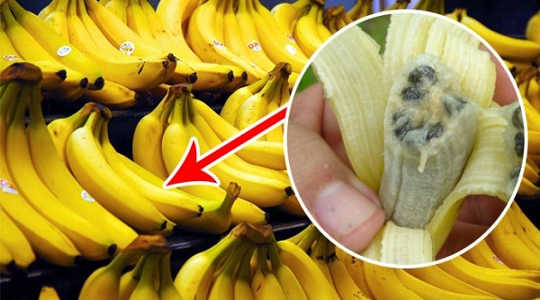 Researchers have discovered how three fungal diseases have evolved into a lethal threat to the world’s bananas.
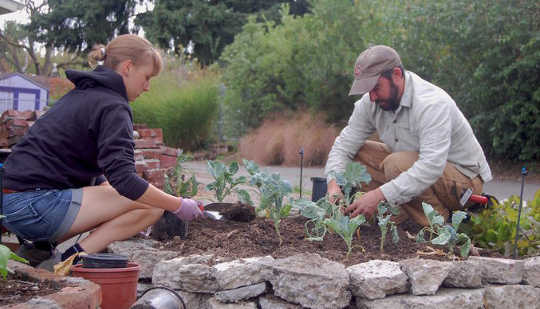 On a recent Monday evening in Seattle’s Central District, a handful of people gathered to work on a community farm. They pulled weeds, talked about the best ways to string up tomatoes, checked the progress of the greens and beans, harvested radishes and planted wildflowers.
 They have identified the neural networks that connect the cerebral cortex to the adrenal medulla, which is responsible for the body’s rapid response in stressful situations.
 If you worry that people today are using social media as a crutch for a real social life, a new study may set you at ease.
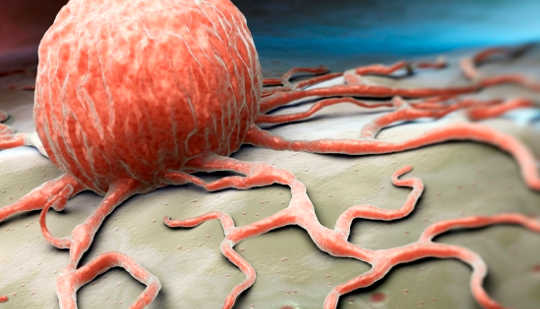 Essential organs tasked with keeping us alive and reproducing – such as the heart, brain or uterus – may have evolved better protection against cancer than larger and paired organs, we have proposed.
 The most common question I get asked is “Will my child get Alzheimer’s disease?” In my experience, this concern is one of the biggest worries for sufferers, and given the devastating effects of the disease, it is not hard to see why it is a difficult thought to contemplate.
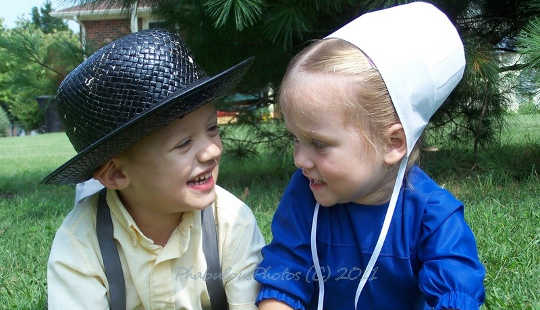 Specific aspects of the Amish environment are associated with changes to immune cells that appear to protect children from developing asthma, report researchers.
 As electronic music shape-shifts its way through the early years of the 21st century, the influence of dub – reggae’s stripped-down mutant version – on contemporary production is becoming more apparent. In “Remixology”,
  As I became more adept at motivating my horse, focusing her attention, and gaining her respect, relationships at home and work improved. People commented on the change, yet no one could pinpoint what had shifted. The plot thickened as I gained more knowledge about instinctual horse behavior.
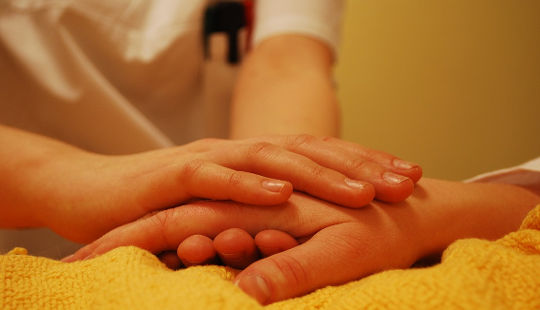 Most Eastern styles of medicine pay just as much attention to the patient’s state of mind as to the state of his or her tissues and organs. This insight and acknowledgment of the whole person rather than reducing us to our individual body parts is based on healing methods centuries old that survive because they work.