
Fitness & Exercise
Why Hard Physical Work Is Not the Same as Exercise for Brain Health
A sweeping new meta-analysis covering more than 4.2 million people has uncovered a striking paradox: while leisure-time physical activity reduces dementia risk by roughly 24%,...











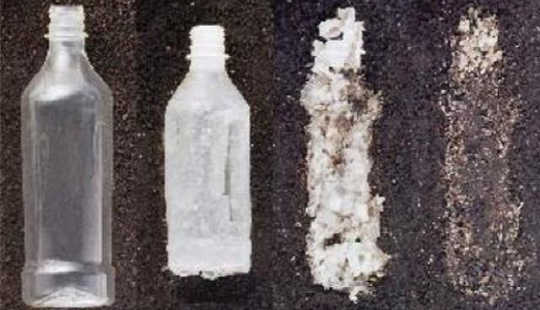 A new catalyst could make biodegradable plastics derived from renewable materials—promising alternatives to plastics made from oil.
 Well-being is seen as increasingly important in the workplace. A growing number of companies have well-being policies, such as free gym memberships and health insurance, to cater to their employees' needs.
 A set of biomarkers found in blood samples seem to predict with about 85 percent accuracy whether or not a person will develop Alzheimer’s disease.
 A new study, done by pooling data from most of those studies, throws cold water on the idea that extra pounds may stem from an imbalance of the bacteria inside us.
 Sexual inequality begins in the womb, but not in the way you might think. In a study of more than 574,000 births in South Australia between 1981 and 2011, we found boys are more likely to be born preterm and the risk is greater for boys the earlier the birth.
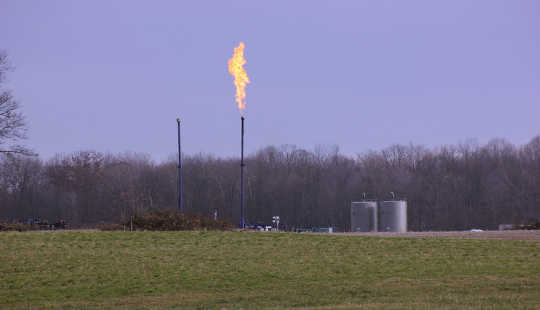 The fracking industry has been an energy success story: Natural gas prices have decreased as fracking has skyrocketed, and natural gas now produces more electricity than coal does, which has resulted in improved air quality.
 Older adults enjoy using Facebook, email, instant messaging, and other forms of social media—and doing so may even reduce loneliness and improve health.
 It is a hotly debated, highly researched subject: which fats are good for us and which aren’t?
 Tiny, biointensive operations show smallholder farmers from around the world how they can grow far more food than conventional approaches.
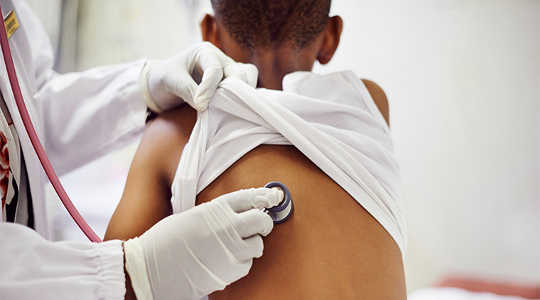 As an emergency room physician in Washington, D.C., it didn’t take long for Leana Wen to notice a pattern
 The hormone melatonin appears to suppress the growth of breast cancer tumors, say researchers.
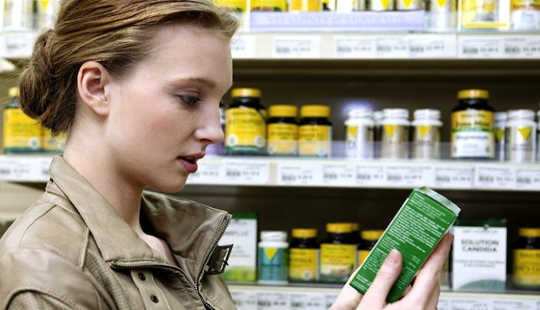 The use of food supplements and herbal medicinal products by the public, including athletes, is common practice – but it is not well regulated.
 Neighbors with the most exposure to natural gas fracking are nearly twice as likely to suffer from some combination of migraine headaches, chronic nasal and sinus symptoms, and severe fatigue.
 About 100 million Americans—one in three people—suffer from ongoing pain that impacts their daily lives. Chronic pain has fueled a pain treatment crisis resulting in the overprescribing of risky opioids. The tragic deaths of celebrities such as Prince have brought the issue to public awareness in a way that statistics can't.
 The original “freelancers” were historic knights and mercenaries, selling their fighting skills to whoever paid the right price. Today’s freelancers include a growing army of people who decide to leave highly paid and secure jobs in large organisations to strike out on their own and become independent consultants.
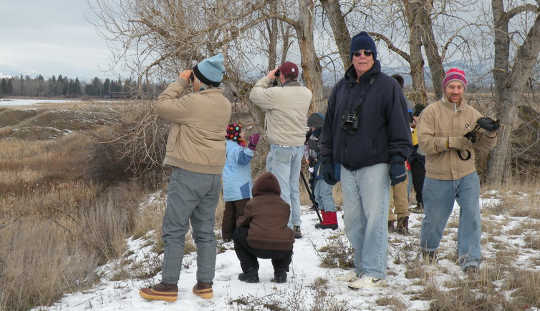 Over the years, citizen scientists have provided vital data and contributed in invaluable ways to various scientific quests. But they’re typically relegated to helping traditional scientists complete tasks the pros don’t have the time or resources to deal with on their own.
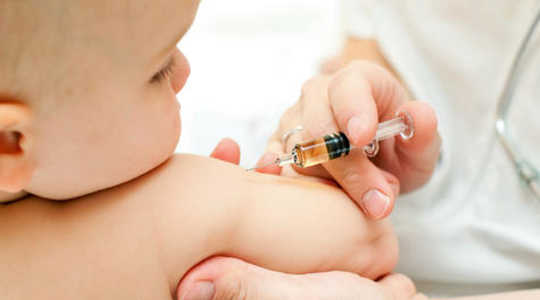
 One of the main reasons given by students for going to university is to get a good job afterwards, but with around 500,000 people graduating each year the job market is extremely competitive.
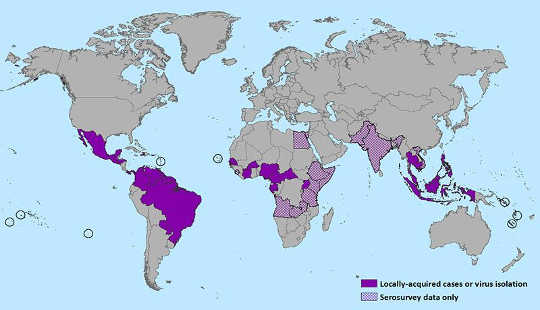 Just over 50 years ago, a highly contagious but seemingly harmless virus swept through the United States, infecting as many as 12.5 million people. In both adults and children, the virus presented as a mild illness, but caused birth defects in some babies born to women who were infected while pregnant.