
Planets & Transits
New Moon in Leo August 12, 2026
The New Moon arrives in Leo August 12 at 8:36 PM UTC, and with it comes a singular...








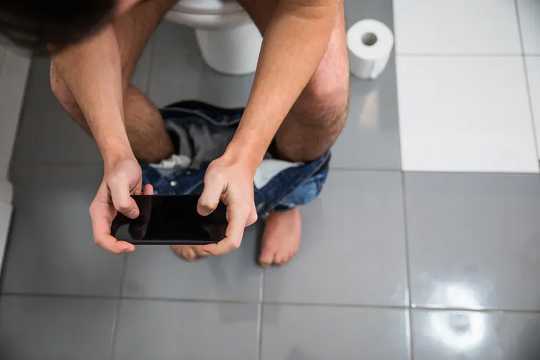
There’s a common assumption men take longer than women to poo. People say so on Twitter, in memes, and elsewhereonline. But is that right? What could explain it?
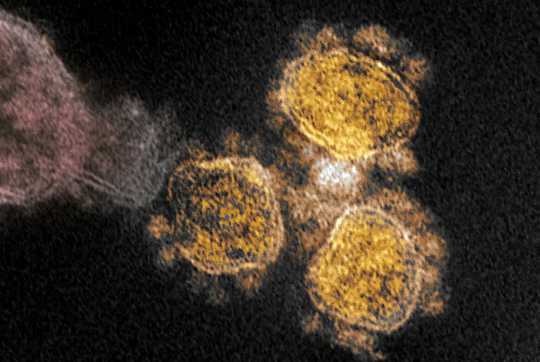
A fast-spreading variant of the coronavirus that causes COVID-19 has been found in at least 10 states, and people are wondering: How do I protect myself now?
When we are willing to stay even a moment with uncomfortable energy, we gradually learn not to fear it. Then when we see someone in distress, we completely open our hearts and minds to whatever arises. Exhaling, we send out relief from the pain with the intention that we and others be happy.

Smell loss – called anosmia – is a common symptom of COVID-19. For the past nine months, the two of us – a sensory scientist and an infectious disease epidemiologist – have applied our respective expertise to develop smell-based screening and testing programs as part of a response to the SARS-CoV-2 pandemic.
Surviving a case of COVID-19 that is bad enough to land you in the hospital is hard enough. But the problems don’t necessarily end when COVID-19 patients leave the hospital, a new study shows.
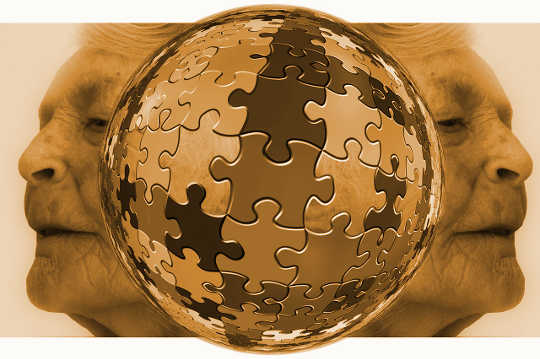
A group of middle-aged adults had some small but significant changes in brain structure more than three decades after lead exposure in childhood, research found.

Participants in a new study who used e-cigarettes in the past were 21% more likely to develop a respiratory disease, and people who currently used them had a 43% increased risk, researchers report.
Adults with the healthiest sleep patterns in a new study had a 42% lower risk of heart failure regardless of other risk factors compared to adults with unhealthy sleep patterns.
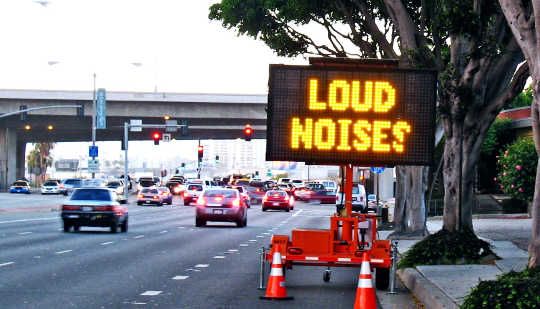
Ten decibels more daytime neighborhood noise is associated with 36% higher odds of mild cognitive impairment and 30% higher odds of Alzheimer’s disease, according to a new study.
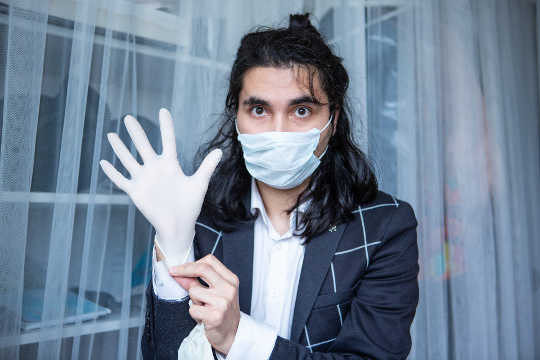
How can you tell if you have a cold, the flu, or COVID-19? An expert offers advice for those worried sick about their symptoms.

Men in jobs with hard physical work have a higher risk of developing dementia compared to men doing sedentary work, new research reveals.
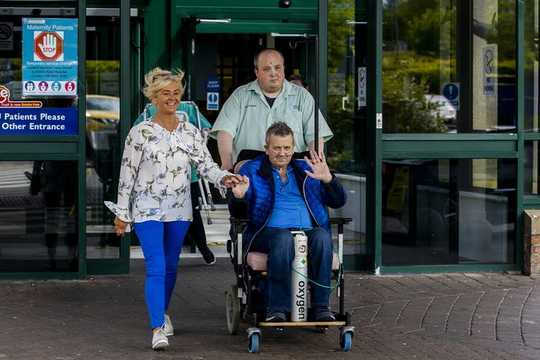
With over 2 million cases in the U.S. since the coronavirus pandemic began in late December, there are now many people who have recovered from COVID-19. At the same, there have been reports of people who continue to have long-term side effects from the infection.
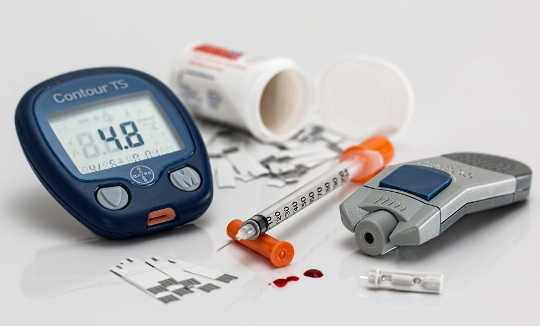
Watching another person experience diabetes influences type 2 diabetics’ self-management of blood sugar levels, according to a new study.
The ways in which we currently age have been programmed into us, and we have accepted this idea as a reality. We believe that we all will get old, sick, senile, frail, and die -- in that order. This does not have to be the truth for us any longer.
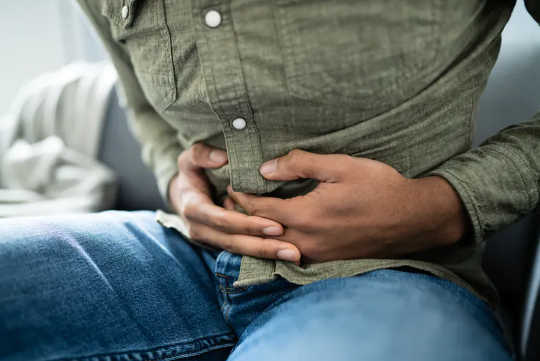
Media reports earlier this week described a Queensland nurse with stomach pains who went on to test positive for COVID-19.

Older people without cognitive problems who experience a fall may have undetected neurodegeneration in their brains that puts them at high risk of developing Alzheimer’s dementia, according to a study.
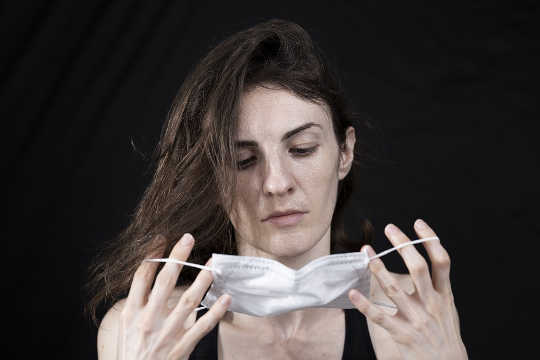
People infected with SARS-CoV-2, the virus that causes COVID-19, can spread the virus when they speak, sing, cough, sneeze or even just breathe.
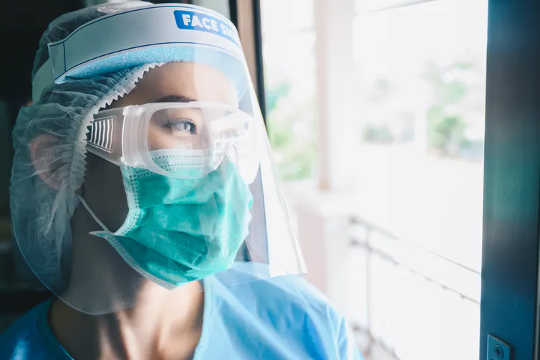
For several weeks, Victorians (the state of Victoria is home to four of Australia's 20 largest cities) been required to wear a face covering when they leave home. And while we now have a clearer path out of lockdown, it’s likely masks will be around for a while.
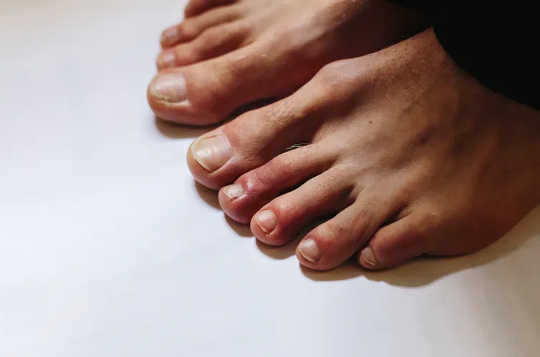
As the pandemic progresses, we’re growing increasingly aware COVID-19 affects multiple parts of the body beyond the lungs. That includes the skin.
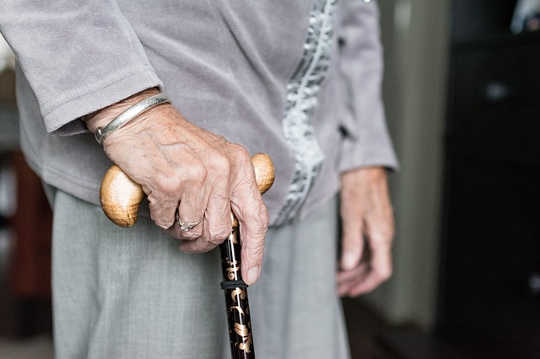
There are dozens of kinds of arthritis: osteoarthritis, rheumatoid arthritis, gout, systemic lupus, and bursitis, to name just a few. Each type of arthritis has numerous influences that increase or decrease the chances of getting it.

America is reeling from an epidemic of ill health that drives people to despair and to doctors. The litany is familiar: cancer, heart disease, autoimmune diseases, and digestive disturbances, with the latter two often one and the same.
The New Moon arrives in Leo August 12 at 8:36 PM UTC, and with it comes a singular...

Life will always hand us criticism, disappointments, and unexpected challenges. The real...

A study reveals that while many online daters strive for honesty, a notable percentage...
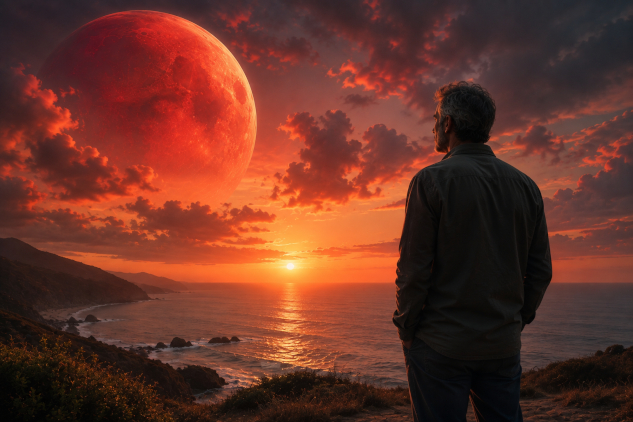
Mars is entering Cancer on August 12 and this shift changes how you move through...

There is a moment most of us remember — standing in front of someone we loved, arms...
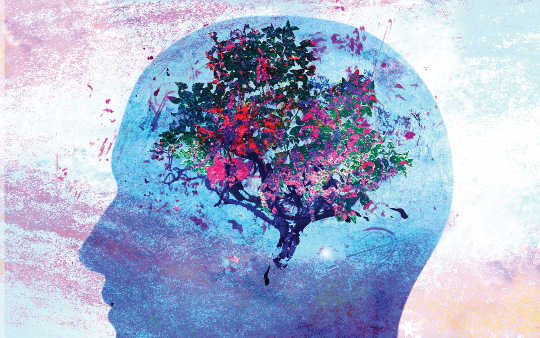
Recent research explores the complex dynamics of altruistic cruelty, revealing that...
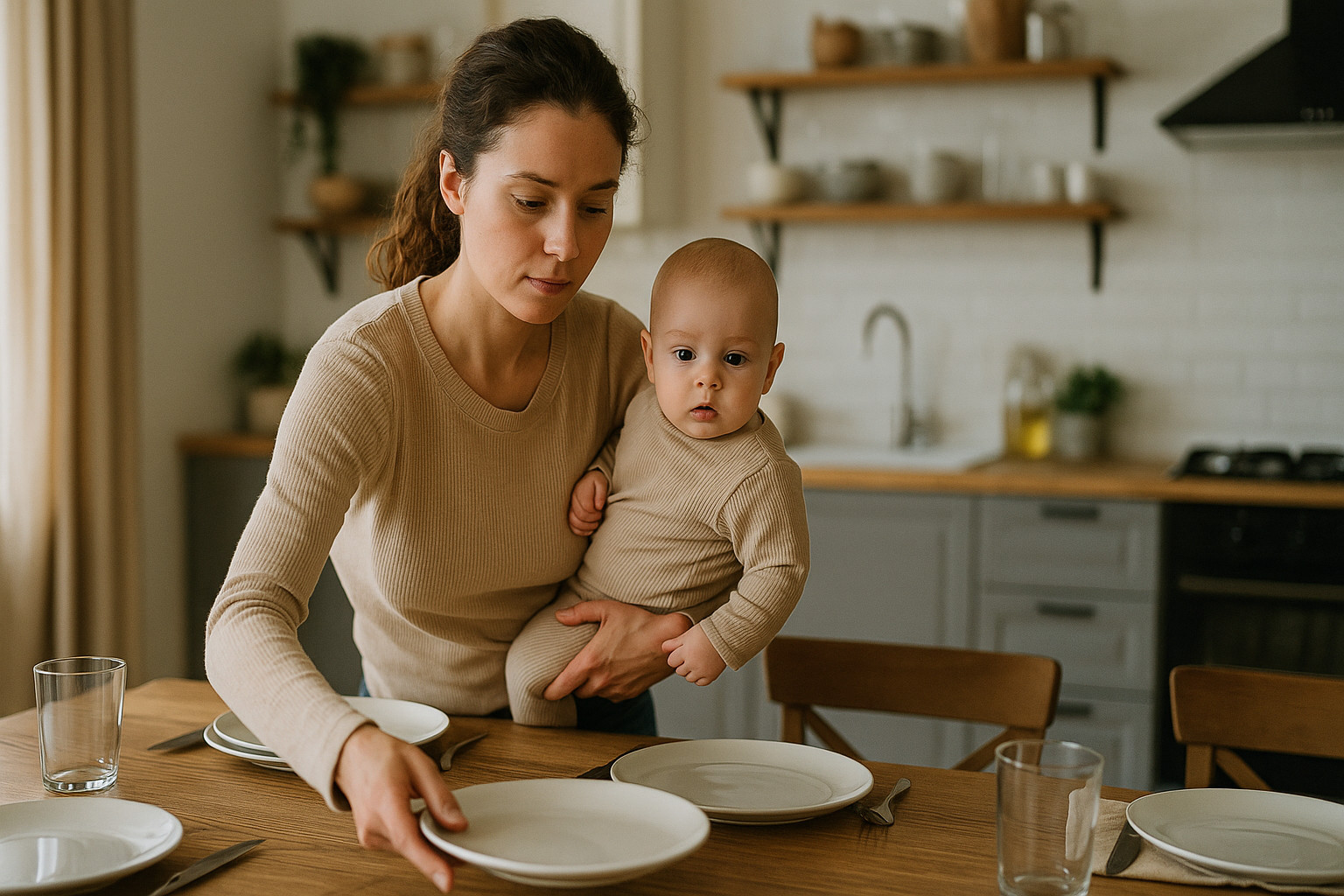
You imagined the newborn haze would be hard, but you did not quite picture yourself...

What if peace of mind depends not on remembering every hurt, but on keeping only the...