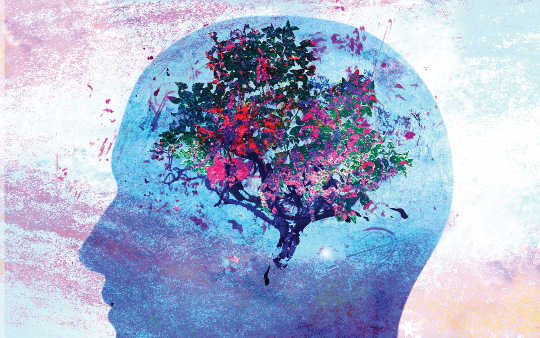

Behavior Modification
Why Do We Keep Doing What We Know Is Bad for Us?
Why do we keep doing things we know aren't good for us? The answer may have less to do with weakness and more to do with habit, emotional soothing, and conditioning....
















 Sometimes God comes along and gives us a real jolt. And once in a while those "jolts" come in the form of experiences that could only be explained as . . . well, as inexplicable. When this occurs we are left to ponder, what has happened here? What's going on? ...


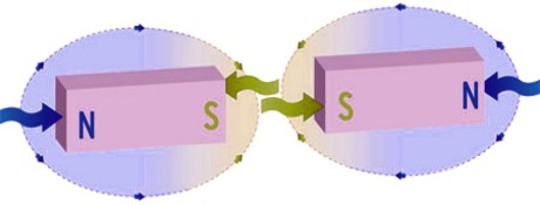


 We all know from experience that we cannot be a better person, a more loving individual, let alone a fully realized being, simply by intention alone. Spiritual seeking is a commendable activity in and of itself but spiritual seeking that is undisciplined and aimless will not...
 The first among the six perfections is generosity. Generosity is of three types: giving material aid, giving dharma, and protecting from fear. 'Giving dharma' refers to the giving of teachings to other sentient beings out of the pure motivation to benefit them. Giving away one's own possessions without even the slightest touch of miserliness...
 In my recent conversation with my sister Connie, I was sharing the state of my life. I feel emptiness because I do not have a deep and intimate personal relationship. Victories and adventures are dulled when there is no one home to share them with. When I was finished, Connie said, "Sounds like you have all the icing without the cake."
 Science delineates animals by their predominant habitat. Aquatic creatures live in the water, for example. Since human beings live on the land, we might be regarded as Terrestrial. Yet, despite our intimate connection to earth, every person I have ever met has one key element to which...
 Indigo children are often perfectionists, and they can be very hard on themselves. One of the reasons why they become aggressively defensive when you scold them is that they're already painfully aware that they've made a mistake. Help your children understand...
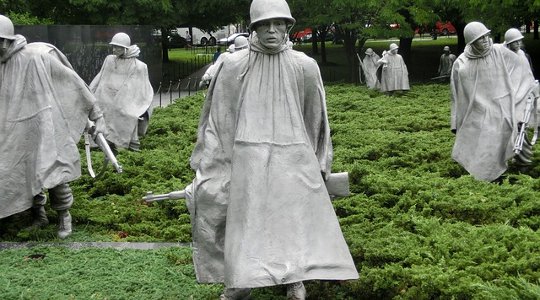 Modern society spends considerable effort on disinfecting the experience of dying. This inclination to hide and exclude death from everyday social activity is supported by the transfer of the place of death from home to the hospital.
 I didn't ever remember hearing about Universal Laws, yet, strangely I understood what they were saying even as it came out of their mouths. These were the guides for the universe created especially for us and I had to know more. I knew this was the truth as I had never experienced it.
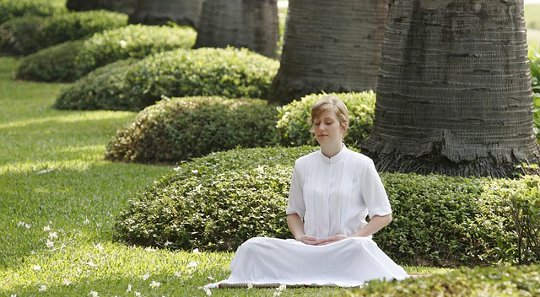 To enter the silence of absolute samadhi is to shake off what we call the habitual way of consciousness -- in an old phrase, 'topsy-turvy delusive thought.' By doing so we purify body and mind. Then, going out (or coming back) into the world of actual life and of the ordinary activity of consciousness, we enjoy...
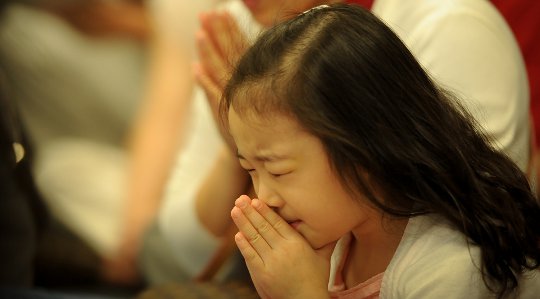 Is there anything more pure, more full of wonder and hope for the future, than the prayer of a child? For a child's heart, when it forms a prayer of thanks or praise or petition, has none of the self-consciousness and ambivalence of adulthood; it is a laser beam of light and love -- focused, clear, and burning with urgency.
 I had been and continued to be a strong and powerful woman, but something had been missing. I hadn't come to know my masculine self. Small wonder. My father loved me very much, but was nowhere present emotionally for himself or for me.
 We are all familiar with the persona of the stereotypical mother-in-law -- a woman bedeviled with an intrusive and critical nature. Mothers-in-law are derided in comedy sketches, in soap operas, in books, and in real life. Do all mothers-in-law live up to their nefarious reputation? Obviously not.
 "The world is moving too fast," lamented the successful middle-aged stock broker. He was having trouble sleeping and getting a migraine headache almost daily. From the Ayurvedic point-of-view this poor man's life was being ruled by movement without rhythm. He needed to remember what he was really made of and return to his true nature.
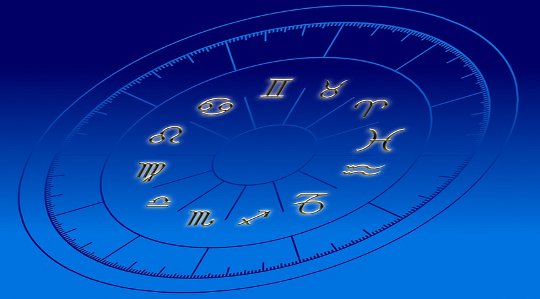 Divination is a word that is often loosely used to mean a type of intuition. The highest processes of what we do in any art or science involve this wonderful intuitive capacity. Put that way, we could all agree, "Fine, astrology is divination, but so what?" My purpose here today is to raise the "so what?"