
Planets & Transits
New Moon in Leo August 12, 2026
The New Moon arrives in Leo August 12 at 8:36 PM UTC, and with it comes a singular...








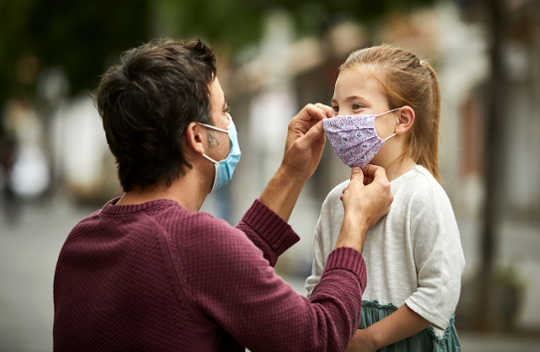
As the COVID-19 pandemic rages on, many people have found themselves serving as armchair epidemiologists and pundits, tracking the virus, projecting the future, and browbeating people who refuse to stay home or wear masks.
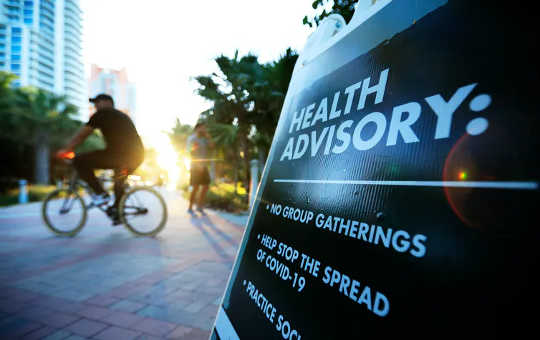
Florida is an international crossroads, a magnet for tourists and retirees, and its population is older, sicker and more likely to be exposed to COVID-19 on the job than the country as a whole.

Our ability to pinpoint the exact location and size of things varies from one person to the next, and even within our own individual field of vision, according to a new study.
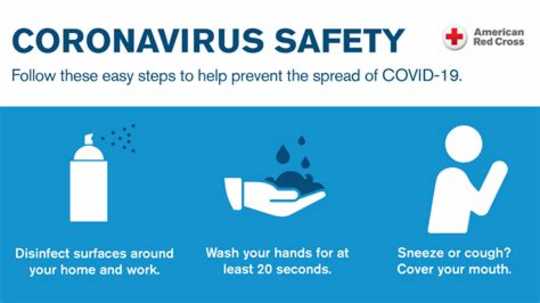
With residents in ten Melbourne postcodes banned from non-essential travel until at least July 29, the need for continued vigilance is clear.

Bemoaning uneven individual and state compliance with public health recommendations, top U.S. COVID-19 adviser Anthony Fauci recently blamed the country’s ineffective pandemic response on an American “anti-science bias.”
Two Theranos employees – Erika Cheung and Tyler Shultz – spoke out about their concerns regarding the company’s practices, even though they knew they could face lasting personal and professional repercussions.
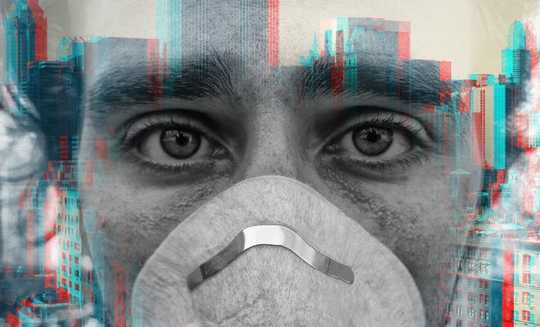
One of the hallmarks of obsessive-compulsive disorder is contamination fears and excessive hand-washing.
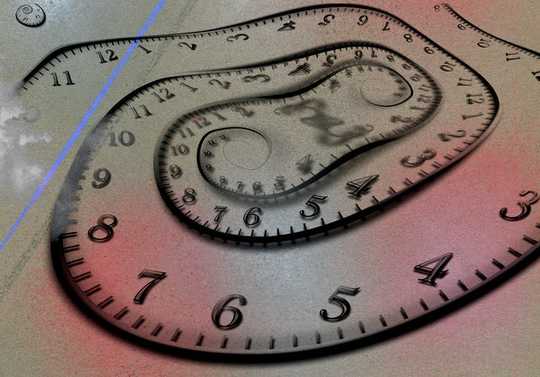
Think back to life before stay-at-home orders. Does it feel like just yesterday? Or does it seem like ages ago – like some distant era?
Living behind a glass wall can be lonely. You can see the others out there, yet you somehow remain separated from them. Your wall may be called "I'm not good enough" or "No one understands me or loves me". These glass walls have a way of magnifying the negative. Yet whatever you see through the wall is only the...
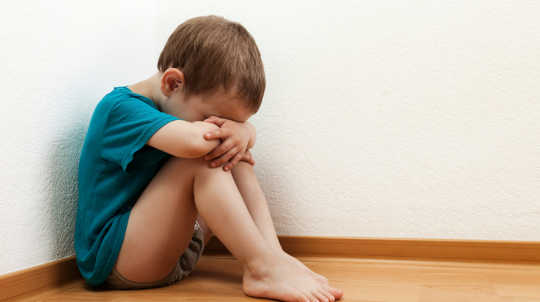
Everyone has experienced guilt at one time or another. In fact, millions of people are burdened by feelings of guilt of all sorts.
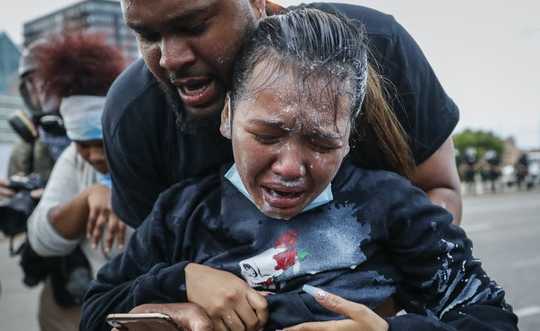
Tribalism has become a signature of America within and without since the election of President Trump. The nation has parted ways with international allies, left the rest of the world in their effort to fight the climate change, and most recently the pandemic, by leaving the World Health Organization.
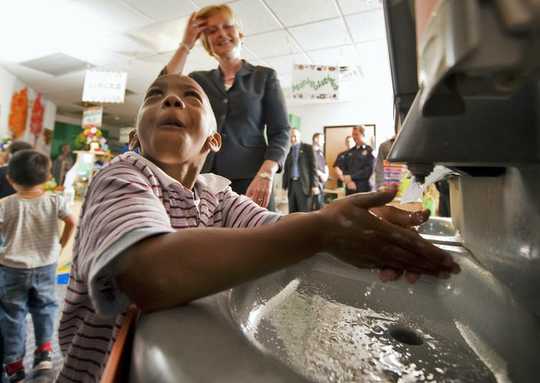
States are beginning to open up their economies after successfully slowing the spread of the coronavirus. Much of the credit for that goes to Americans dutifully following prescribed behavior.
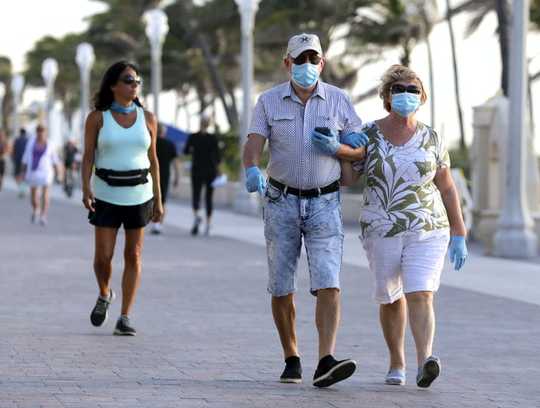
Since Republicans, on average, are five times more likely than Democrats to believe it’s safe now to resume normal business activity, reopening the economy has often been framed as a partisan issue.

What’s important to appreciate about resistance is that it is often not intentional but the result of what’s going on in the more subtle, hidden parts of your unconscious mind. Most people I meet are usually aware of the surface-level results of resistance, but they live unaware of the underlying reasons as to why they resist and end up feeling the way they do.
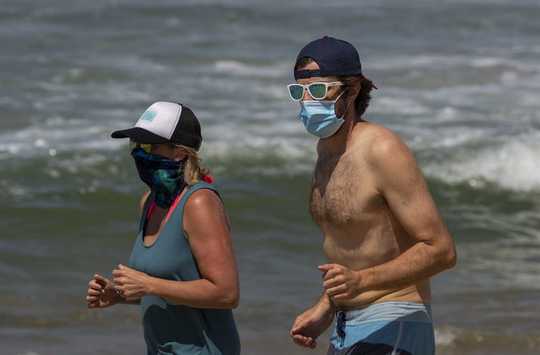
Even if we escaped getting sick from the coronavirus, we are all sick of staying at home, practicing social distancing and wearing masks.
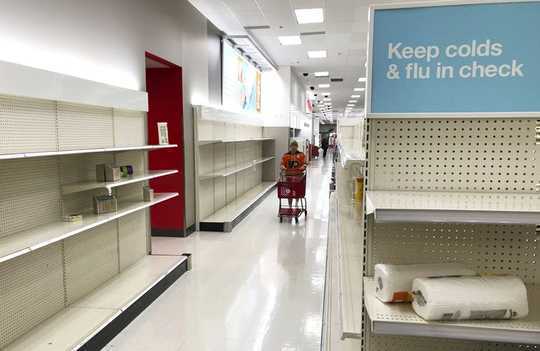
The media is replete with COVID-19 stories about people clearing supermarket shelves – and the backlash against them.
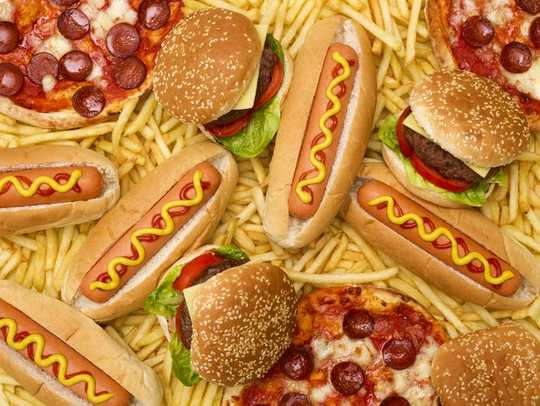
Have you noticed grabbing an extra bag of chips at the supermarket? Or eating more frozen dinners than you used to? Or even eating snacks that you haven’t eaten since you were a little kid?
Consider the following brain teaser: A bat and a ball cost $1.10 in total. The bat costs $1.00 more than the ball. How much does the ball cost?
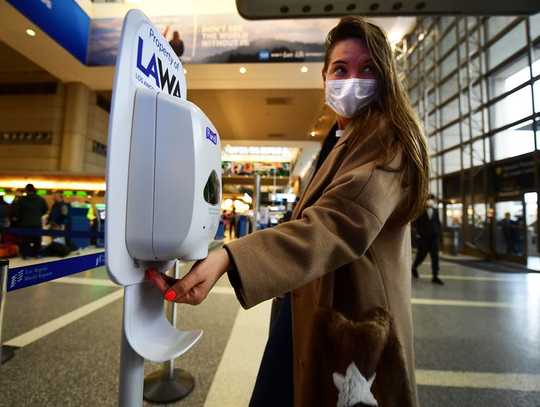
The effects of the coronavirus pandemic will be “imprinted on the personality of our nation for a very long time,” predicted Anthony Fauci, director of the National Institute of Allergy and Infectious Diseases.
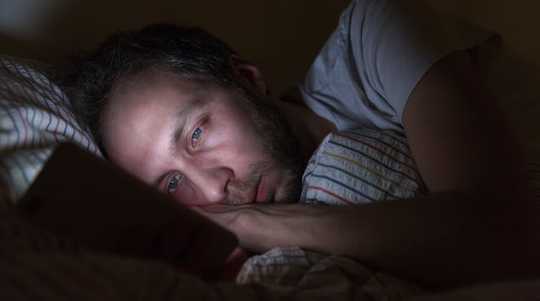
This is a confusing and, frankly, scary time for a lot of us. There’s so much contradictory information, and the “right” thing to do yesterday is now the “wrong” thing to do today.
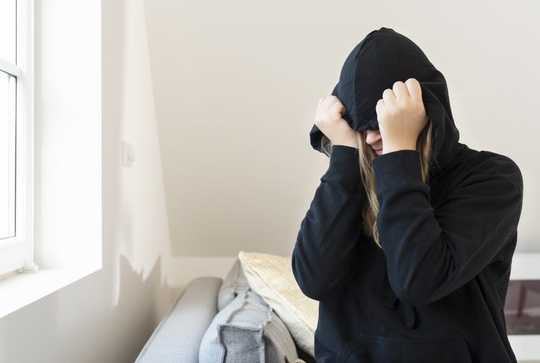
Social distancing is both necessary and hard. If my Facebook news feed and anecdotal experience in my own family are at all representative of larger trends, adolescents are especially feeling the pain.
The New Moon arrives in Leo August 12 at 8:36 PM UTC, and with it comes a singular...
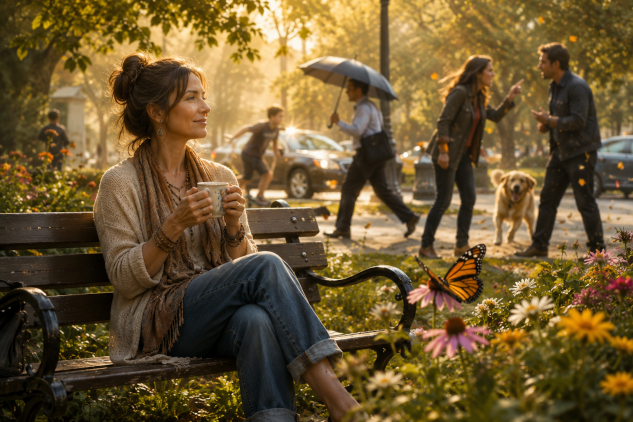
Life will always hand us criticism, disappointments, and unexpected challenges. The real...
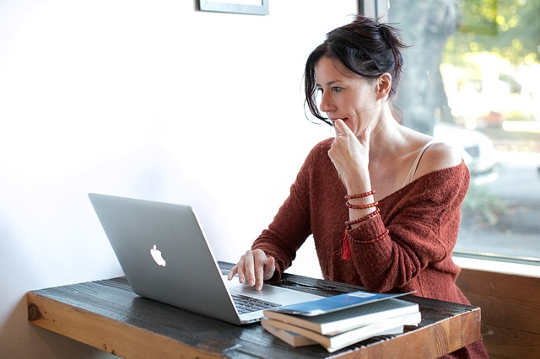
A study reveals that while many online daters strive for honesty, a notable percentage...
Mars is entering Cancer on August 12 and this shift changes how you move through...
There is a moment most of us remember — standing in front of someone we loved, arms...
Recent research explores the complex dynamics of altruistic cruelty, revealing that...
You imagined the newborn haze would be hard, but you did not quite picture yourself...
What if peace of mind depends not on remembering every hurt, but on keeping only the...