Economy
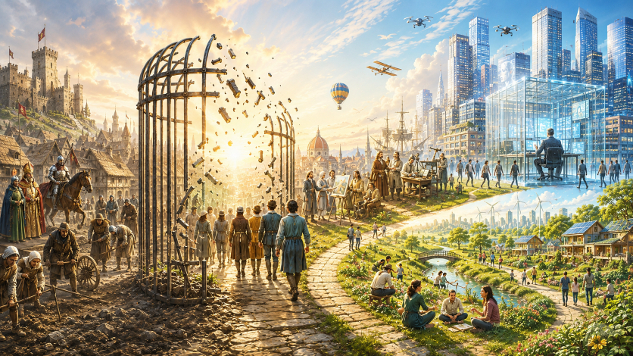
The Cage We Keep Rebuilding and What Comes Next
Something feels broken, and it isn't just your news feed. Across wealthy democracies, people are sensing that extraordinary technological power and individual freedom aren't...











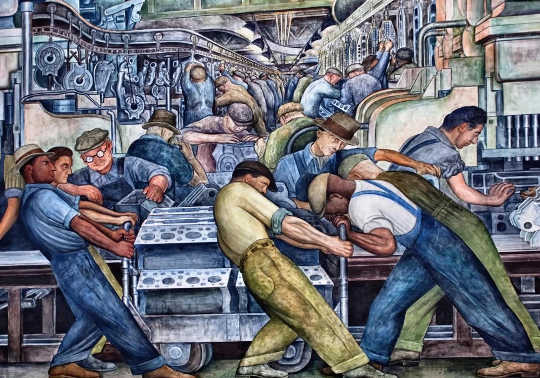 New research strongly suggests the days of high manufacturing employment in the United States, and just about every other country, are over
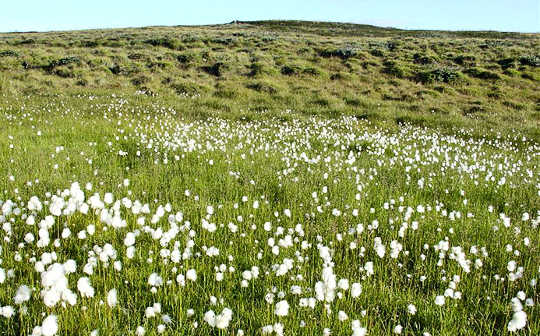
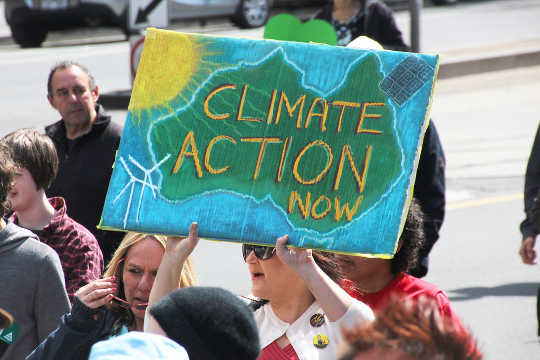 In the 2015 Paris Agreement on climate change, nearly every country on Earth pledged to keeping global temperatures “well below” 2C above pre-industrial levels and to “pursue efforts to limit the temperature increase even further to 1.5C”.
 Buying ethically sourced products is not as straightforward as it might seem, according to the first large-scale analysis of sustainable sourcing practices.
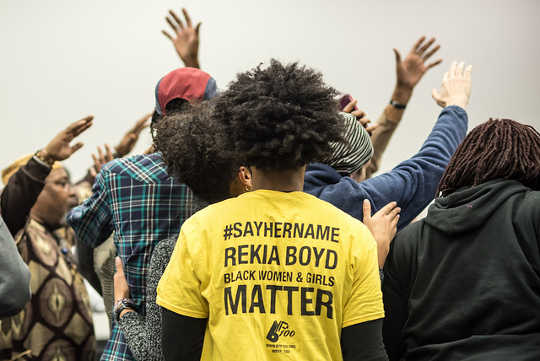 Black people, especially women, are more likely to have been unarmed when killed by police than non-blacks, according to a new study of nationwide data.
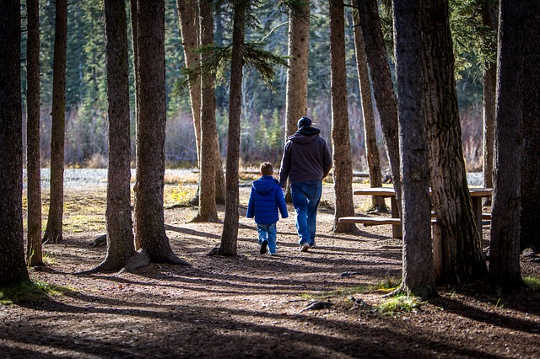
 Imagination, as Hawaiian Native rights advocate Poka Laenui describes it, is more than an antidote to hopelessness. It is a source of power.
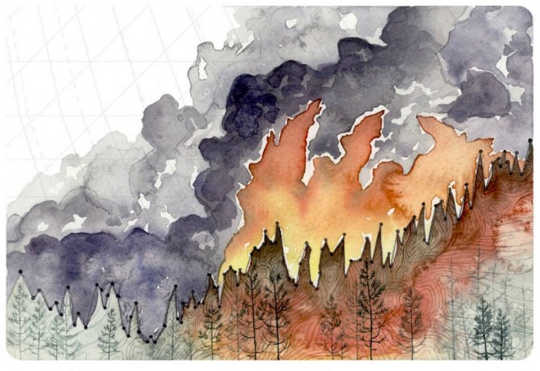 In tumultuous times, art can and must express the turmoil and help us process what’s going on.
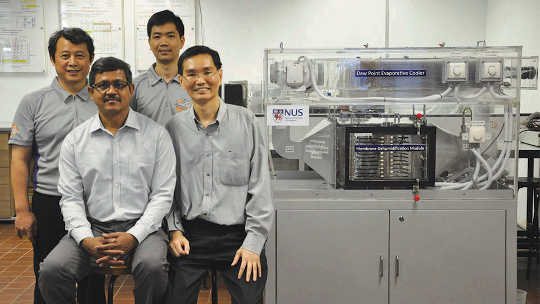 A new water-based air-conditioning system cools air to as low as 18 degrees Celsius (about 64 degrees Fahrenheit) without using energy-intensive compressors and environmentally harmful chemical refrigerants.
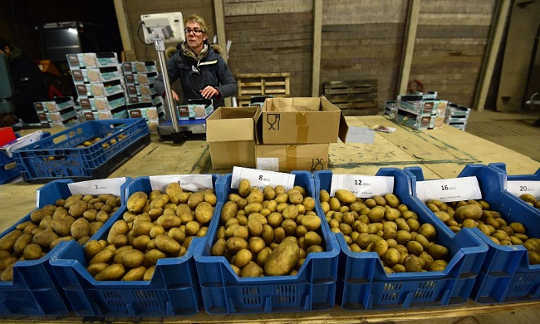 Recently, National Geographic published an article called “This Tiny Country Feeds the World,” where the author extolled the innovations of a small European country that has managed to become a global powerhouse in agriculture and technology—the Netherlands.