Economy
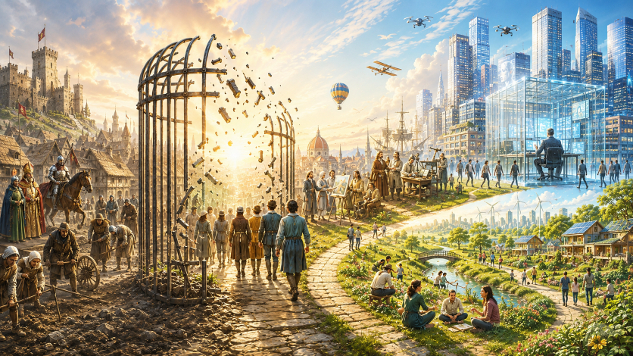
The Cage We Keep Rebuilding and What Comes Next
Something feels broken, and it isn't just your news feed. Across wealthy democracies, people are sensing that extraordinary technological power and individual freedom aren't...
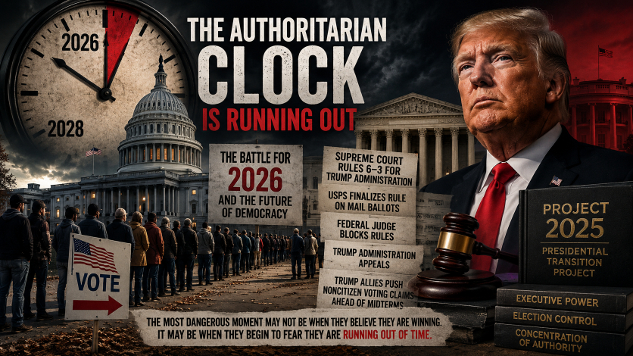












 Far from the corrosive political circus unfolding in Washington, DC, local citizen groups are improving conditions for the people in their own backyards.
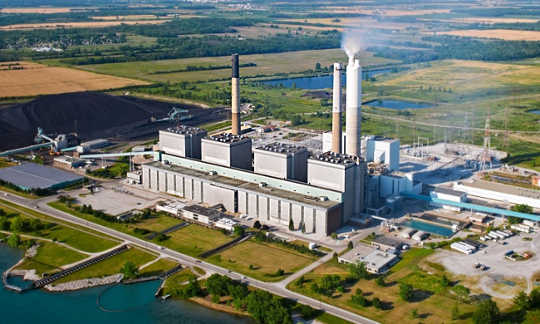 After opposing a Washington state carbon tax in November, climate justice advocates are setting the stage for a more thorough initiative to address both climate change and inequality.
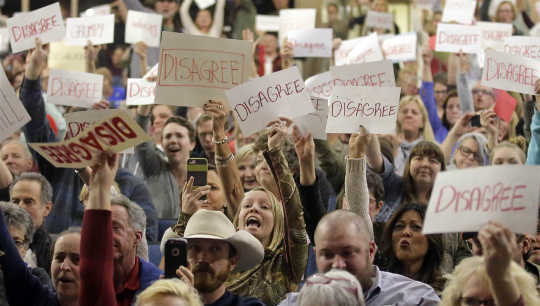 With help from activist manual written by former congressional staffers, Republicans face angry crowds in home states
 Anyone who has ever pitched a movie or television idea in Hollywood knows the tyranny of the “high concept."
 Quality teaching is one of the largest influences on student learning. Yet, not all students have access to a great teacher.
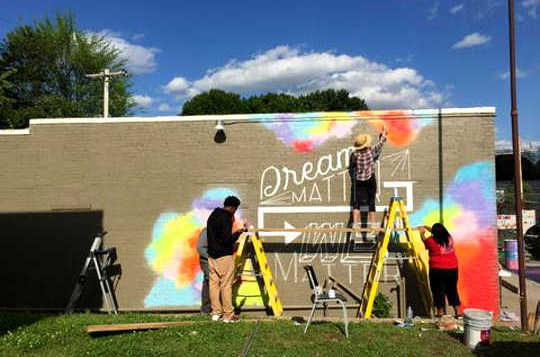 Community groups have the power to create long-lasting change. Ioby, an organization based in New York City, New York, that works on neighborhood mobilization, recently published its "Recipes for Change" toolkit.
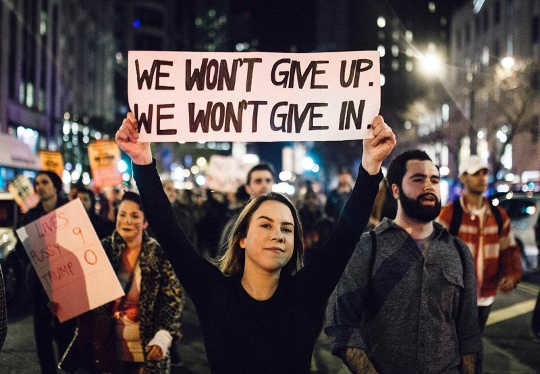 On April 4, 1967, exactly one year before his assassination, Martin Luther King, Jr. gave his famous “Beyond Vietnam” speech in Harlem’s Riverside Church. In it, he spoke of being confronted with “the fierce urgency of now.”
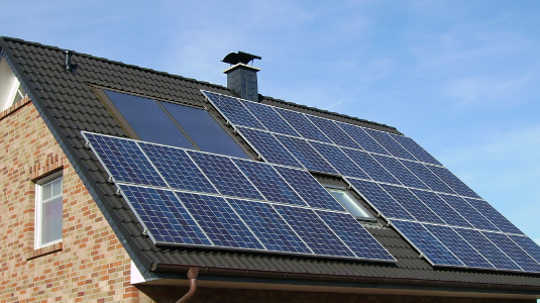 Some commentators seem to be worried that our electricity networks are facing an impending voltage crisis, citing fears that renewables (rooftop solar panels in particular) will threaten the quality of our power supply.
 As you browse the internet, online advertisers track nearly every site you visit, amassing a trove of information on your habits and preferences.
 There is a major flaw in the way we currently assess school students. By labelling them as either “good” or “poor” learners based on their overall grades at the end of each year, students have no clear idea whether they are making progress over extended periods of time.
 News consumers today face a flood of fake news and information. Distinguishing between fact and fiction has become increasingly challenging.
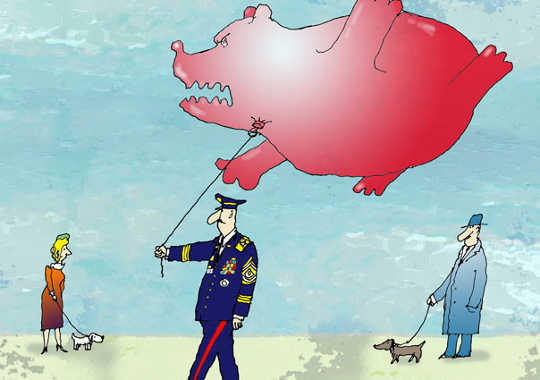 Much has been written lately about Russia “hacking” the US presidential elections, and how Vladimir Putin’s government is in a new Cold War with the West.
 In a recent study, American participants placed Muslims and Mexican immigrants significantly closer to the ape-like ancestor than Americans as a whole.
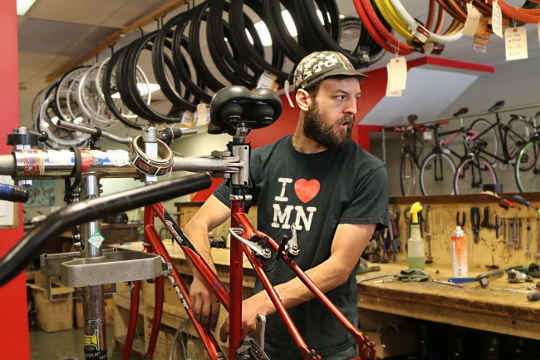 As rents rise and independent businesses in Minneapolis lose their leases to large national chains, a first-of-its-kind co-op found a solution.
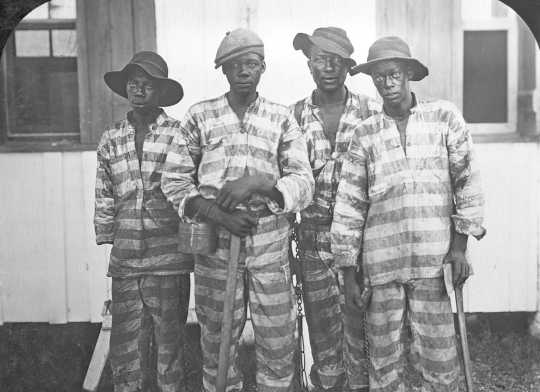 The U.S. criminal justice system is driven by racial disparity.
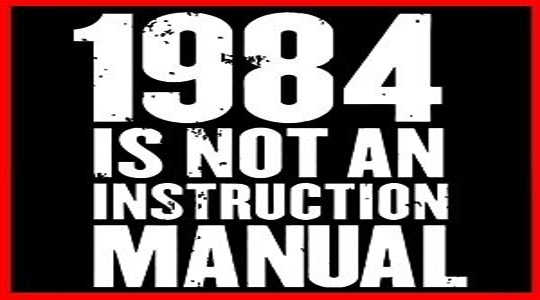 In a strange but revealing way, popular culture and politics intersected soon after Donald Trump first assumed the presidency of the United States: George Orwell’s dystopian novel, 1984, surged as the No. 1 best-seller on Amazon both in the United States and Canada.
 A vibrant Native-American agrarian culture stretched from the Ohio River Valley to the Mississippi River Valley in the two centuries before Europeans settled in North America. Then it disappeared.
 Every January, I do a digital tune-up, cleaning up my privacy settings, updating my software and generally trying to upgrade my security.
 Access to health insurance can help hold a community together socially, and lack of it can help fray neighborhood cohesion, report researchers.
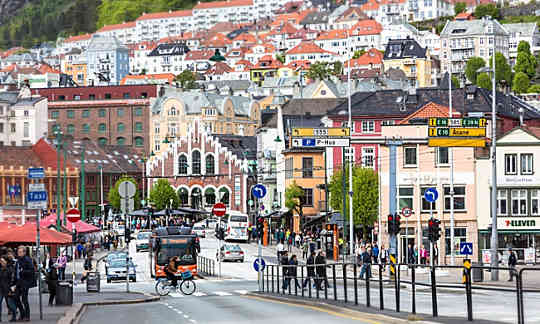 Author George Lakey explains why Scandinavia tops world lists for equality, health, and happiness.