Economy
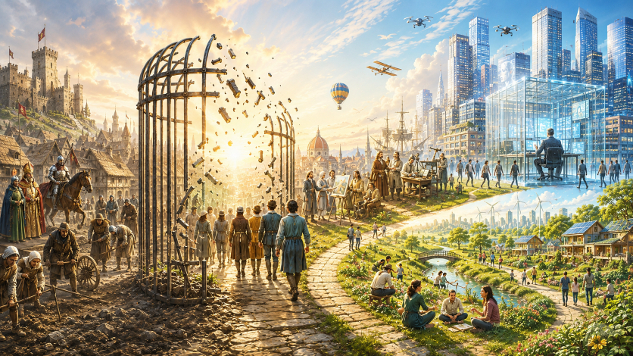
The Cage We Keep Rebuilding and What Comes Next
Something feels broken, and it isn't just your news feed. Across wealthy democracies, people are sensing that extraordinary technological power and individual freedom aren't...













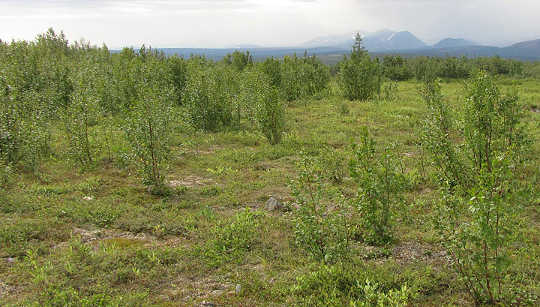 NOAA’s National Centers for Environmental Information (and several other institutions) reported April 2016 to be the
  Educating rural communities can help them prevent permanent damage to the environment. There is a common misconception that you can’t talk about climate change in rural communities because the issue is considered too polarizing...
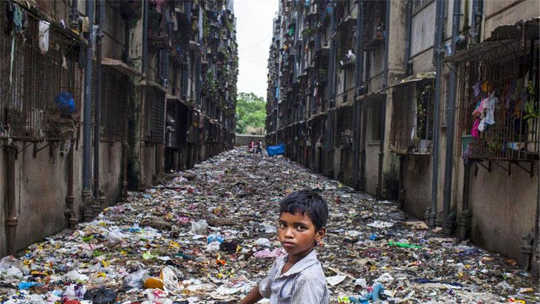 Public health experts say one of the problems associated with living in a slum—too many people in close proximity—can be a benefit. A single intervention can simultaneously improve many lives in one densely packed community. They call it the “neighborhood effect.”
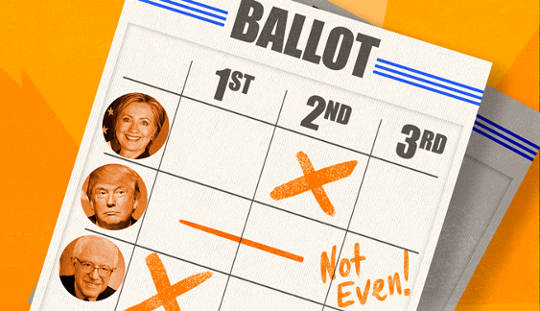 Ranked-choice voting is catching on, and Maine might become the first state to help citizens vote for candidates they actually want.
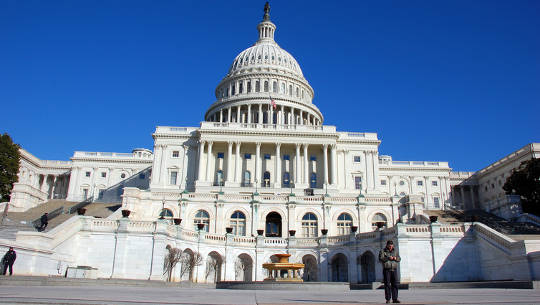 Elections normally decide who is to govern. This upcoming election is about the very legitimacy of the system.
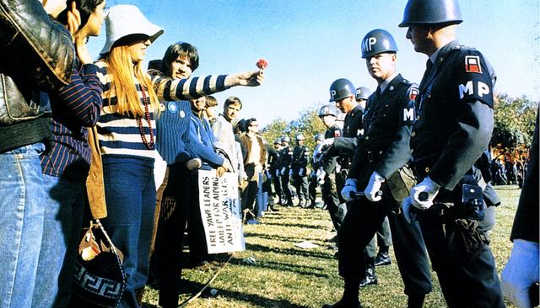 When I was a student at Princeton University I learned from my anthropology studies that the concentration of power in the hands of the few is common to all cultures, societies, nations, tribes, cities, towns, and villages.
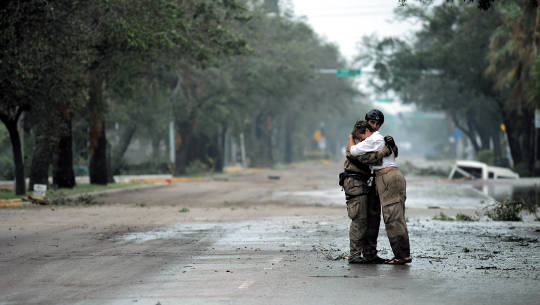 The destructive nature of Hurricane Matthew—which resulted in hundreds of deaths in Haiti, dozens more in the US, and extensive damage still being assessed—was a test of strength in communications systems, infrastructure, and ultimately the resilience of communities.
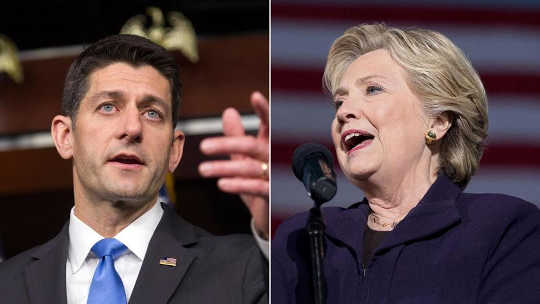 Hillary Clinton won’t be the only winner when Donald Trump and his fellow haters are defeated on Election Day (as looks increasingly likely). Another will be Paul Ryan, who will rule the Republican roost.
 Culture is the result of thousands, upon millions, upon billions of tiny, mundane choices made by individuals. We are embedded in our culture. We participate in its creation through a thousand quotidian decisions...
 People depend on grass crops for food, but new research raises concerns that if climate changes too fast, grasses won’t adapt fast enough to keep pace.
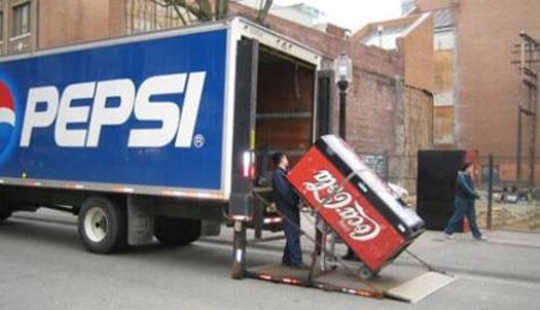 The two largest soda makers in the US use their sponsorships of health organizations to bolster their image, which helps them lobby against public health bills, a new study suggests.
 When it comes to theft online, “you’re only protected by other, easier victims,” says Hsinchun Chen, an expert in cybersecurity.
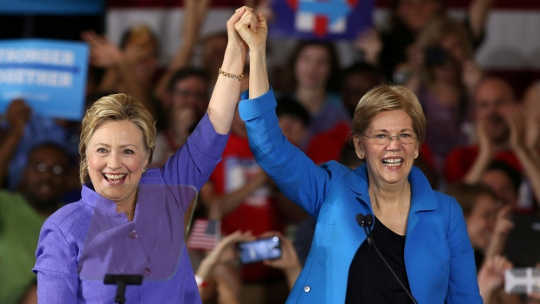 I continue to hear from many people who call themselves progressives or liberals, but tell me they won’t vote for Hillary Clinton in the upcoming election.
 As the Brexit debate deteriorates in quality at an alarming rate, it appears that any hope of Britain returning to its democratic senses is receding fast.
 Enabled by exponential technological advancements in data storage, transmission and analysis, the drive to “datify” our lives is creating an ultra-transparent world where we are never free from being under surveillance.
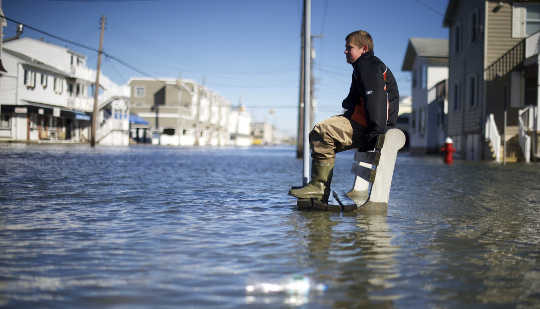 New York City can expect nine-foot floods, as intense as the one produced by 2012’s Superstorm Sandy, at least three times more frequently over the next century—and possibly as much as 17 times more frequently, say researchers.
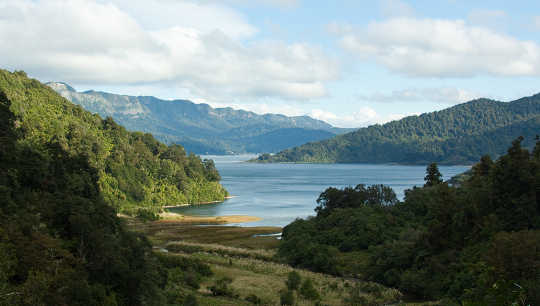 In recent years, the U.S. Supreme Court has solidified the concept of corporate personhood. Following rulings in such cases as Hobby Lobby and Citizens United, U.S. law has established that companies are, like people, entitled to certain rights and protections.
 New research finds racial disparities in emergency treatment for certain types of pain, specifically backaches and stomachaches.
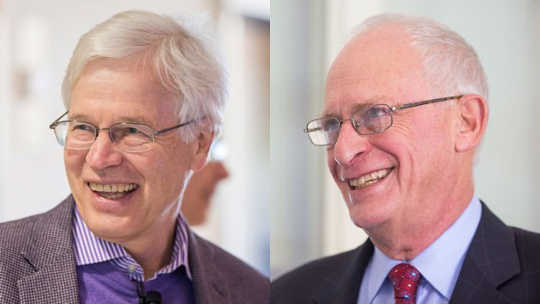 The Nobel Memorial Prize in Economic Science has just been awarded to Oliver Hart and Bengt Holmström for building the foundations of contract theory.
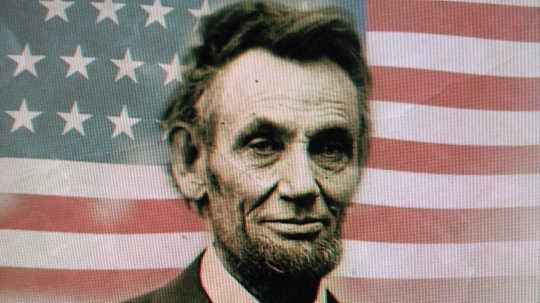 When two politics professors compared how historians rate presidents against the number of Americans who died in wars fought during those presidents’ terms, they noticed a troubling pattern