Economy
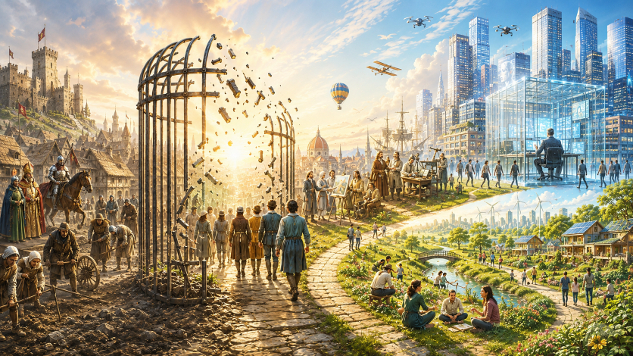
The Cage We Keep Rebuilding and What Comes Next
Something feels broken, and it isn't just your news feed. Across wealthy democracies, people are sensing that extraordinary technological power and individual freedom aren't...












 Corporate fraud is not just present, but is widespread in many neoliberalised economies of both income-rich and income-poor countries.
 This week’s decision by four Australian Catholic orders to divest fully from fossil fuels can be interpreted as a direct response to the encyclical on the environment, issued by Pope Francis almost exactly a year ago.
 "Getting the social cost of carbon right is most pressing, given its importance to policy," says Charles Kolstad. "It's also an area where rapid research progress should be possible."
 Current trade agreements have been of, by, and for transnational corporations. Growing opposition gives us the opportunity to change that in our next-generation agreements.
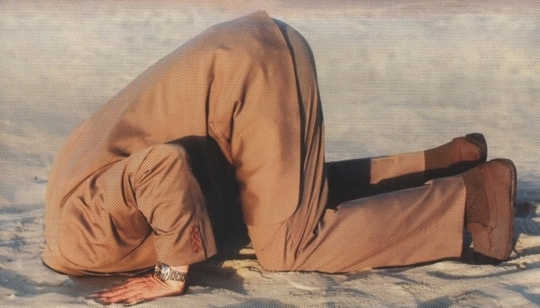 The fossil fuel industry has spent many millions of dollars on confusing the public about climate change. But the role of vested interests in climate science denial is only half the picture.
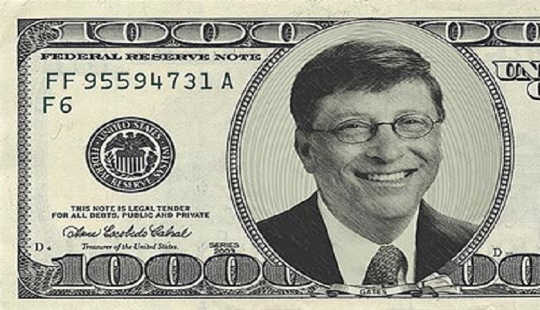 Sorry folks, this isn’t Trump University, I don’t have the plan for you to get rich quick. But it is important for everyone to understand exactly why Bill Gates is very rich. It’s called “copyright protection.”
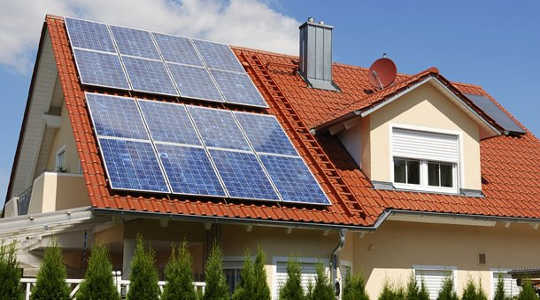 The solar panels of about 40,000 Massachusetts households and community groups cut electricity prices for all of the approximately three million electricity ratepayers in the state, even those without the panels, also called photovoltaics (PV) systems.
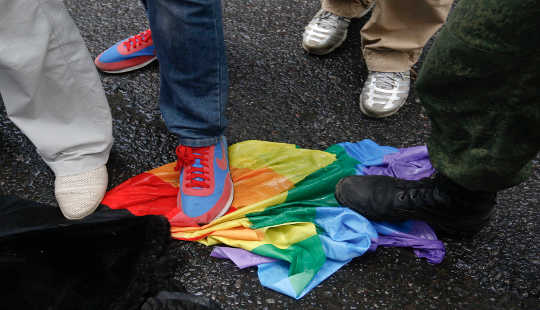 In the United States, public support of the lesbian, gay, bisexual and transgender (LGBT) community has increased in recent years
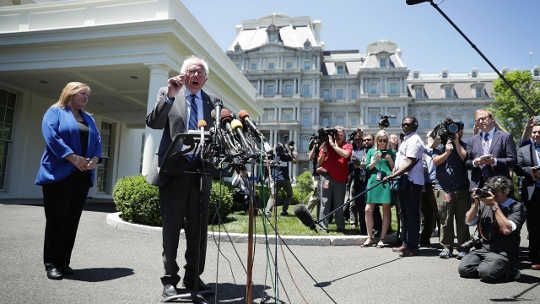 The rebellious nature of the Vermont senator's presidential bid didn't fit the mainstream media's predetermined scenario.
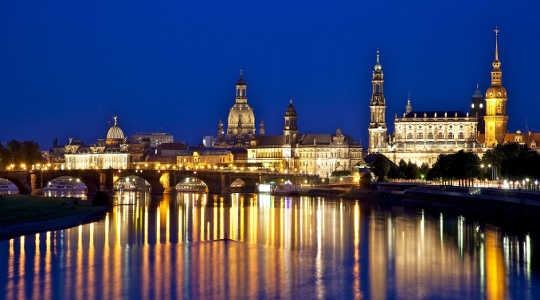 We live in an age of conspiracies about a world shaped by shadowy plots, secret organisations and deals made behind closed doors. And while they are often viewed as the fictions of sad people wearing anoraks and tin foil hats, they can relate to the real business of global politics.
 When I first served in Brazil in the mid-1960s as a young American diplomat stationed at a small consulate in Belem on the mouth of the Amazon River, the country was in its second year of a 20-year military regime.
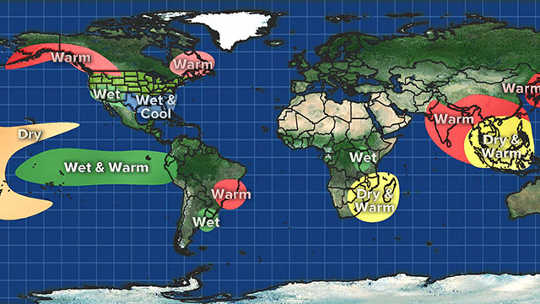 The 2015-16 El Niño has likely reached its end. Tropical Pacific Ocean temperatures, trade winds, cloud and pressure patterns have all dropped back to near normal, although clearly the event’s impacts around the globe are still being felt.
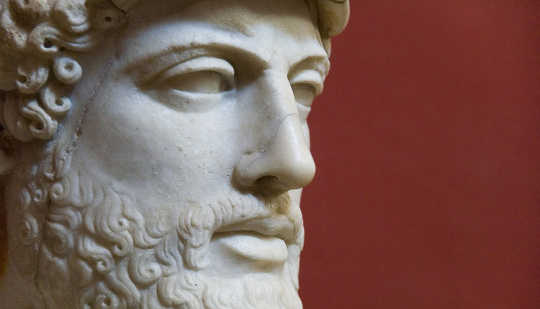 We owe to the ancient Greeks much, if not most of our own current political vocabulary. All the way from anarchy and democracy to politics itself. But their politics and ours are very different beasts. To an ancient Greek democrat (of any stripe), all our modern democratic systems would count as “oligarchy”.
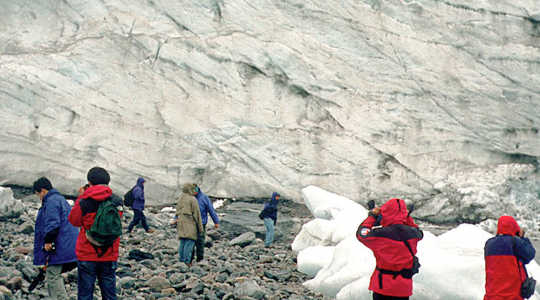 Following record-high temperatures and melting records that affected northwest Greenland in summer 2015, a new study offers the first evidence linking melting in Greenland to the anticipated effects of a phenomenon known as Arctic amplification.
 According to many economists, the economy is at or near its full employment level of output; see, for example, the San Francisco Federal Reserve President’s recent comments.
 You often hear inequality has widened because globalization and technological change have made most people less competitive, while making the best educated more competitive. There’s some truth to this. The tasks most people used to do can now be done more cheaply by lower-paid workers abroad or by computer-driven machines.
 It seems that almost everyone has an opinion about prostitution and sex work. But with Amnesty International’s recent unflinching policy recommendation to decriminalize all adult consensual sex work
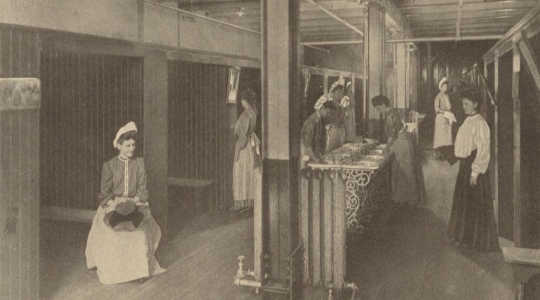 For years, transgender rights activists have argued for their right to use the public restroom that aligns with their gender identity. In recent weeks, this campaign has come to a head.
 There are more than 865 encryption tools in use worldwide, all addressing different aspects of a common problem. People want to protect information: hard drives from oppressive governments, physical location from stalkers, browsing history from overly curious corporations or phone conversations from nosy neighbors.
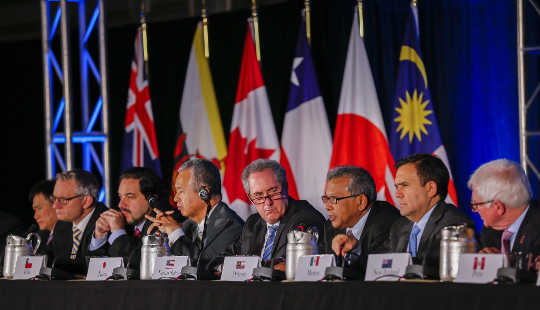 The United States International Trade Commission (USITC) recently came out with projections on the economic effects of the Trans-Pacific Partnership (TPP) trade deal. The USITC’s report is the third major study on the TPP from the past two years.
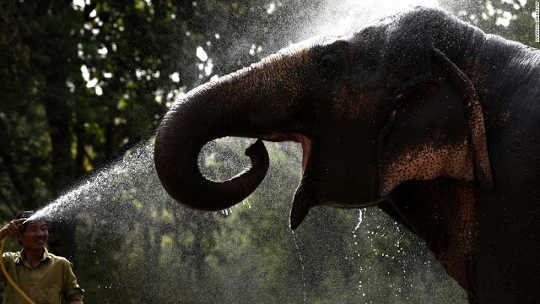 On May 19, India’s all-time temperature record was smashed in the northern city of Phalodi in the state of Rajasthan. Temperatures soared to 51?, beating the previous record set in 1956 by 0.4?.