
Economy
The Cage We Keep Rebuilding and What Comes Next
Something feels broken, and it isn't just your news feed. Across wealthy democracies, people are sensing that extraordinary technological power and individual freedom aren't...






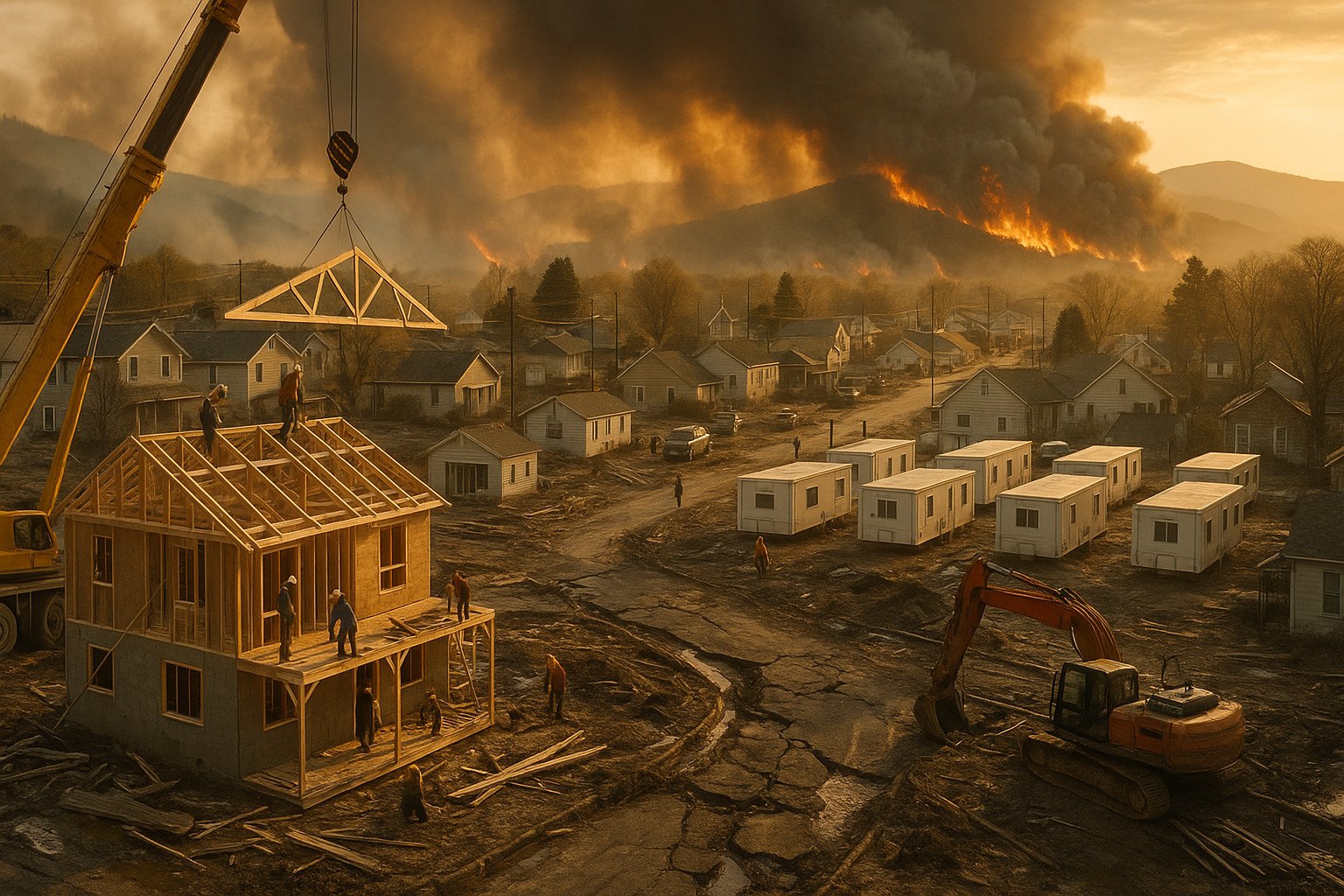







 It was the most important day of my life. I walked up to the Capitol building and sat on the steps with more than 400 people. When asked to move, we refused and were arrested. We committed nonviolent civil disobedience together to protest the power of money in politics and support the restoration of real democracy.
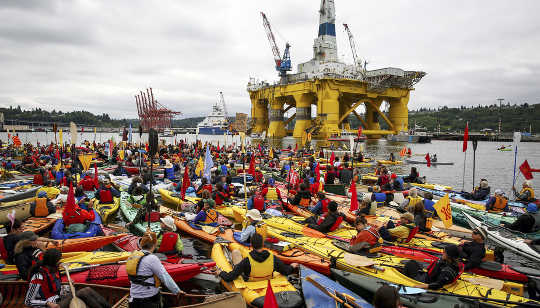 From chants of “Drill, Baby, Drill” to outrage over the BP oil spill, offshore drilling has been highly controversial in recent years. Some view it as a vastly underused revenue source, while others see it as a grave environmental threat. In parts of the Gulf of Mexico, drilling continues
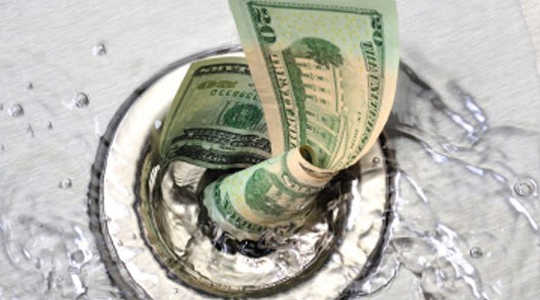 Every time you flush your toilet or drain the bath, you’re losing something surprisingly valuable: heat. It takes a lot of energy to warm up the water in the first place, and vast amounts of this energy simply disappear down and is lost in the environment.
 Many regions of the United States are struggling with water shortages. Large areas of the West are contending with moderate to severe drought, while California is now in the fifth year of one of the most extreme droughts in its history. Even non-arid regions, such as the Southeast, are not exempt from water shortages.
 More than 90 people are killed by guns every day in the United States. In 2013, there were 33,636 gun deaths in the US. Civilians own approximately 270 million guns, roughly one “for every man, woman, and child,” as President Obama noted in an address to the nation in the wake of the shooting rampage at an Oregon community college last October that left 10 dead.
 If you had the opportunity to vote for a politician you totally trusted, who you were sure had no hidden agendas and who would truly represent the electorate’s views, you would, right?
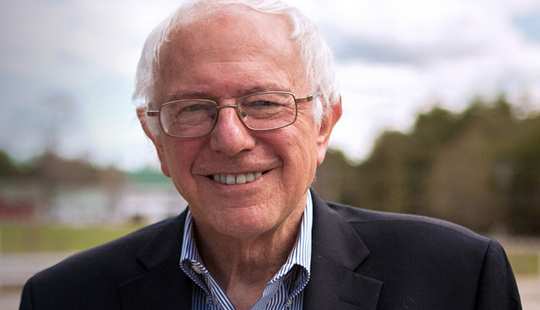
 “Bernie is doing well but he can’t possibly win the nomination,” a friend told me for what seemed like the thousandth time, attaching an article from one of the nation’s leading newspapers showing how far behind Bernie remains in delegates.
 On Wednesday May 30, Emma Johnston, Nalini Joshi and Tanya Monro spoke at the National Press Club for a special Women Of Science event. Here they outline their views on how to promote greater participation by women at the top levels of science.
 The kid was not your typical feminist. Granted, he did stand out for a 20-something living in central Maine. In these parts, his male peers’ uniform tends to be Carhartts, work boots, a beard, and a woolen cap. This fellow slinked up to the microphone in skinny suit pants and a hipster jacket.
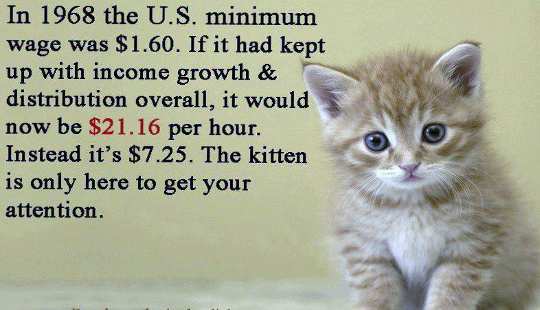 Income inequality in the United States has been a major flashpoint during the 2016 presidential election, with much debate focused on whether America is divided between “the 1 percent” who make up the wealthy elite and the lagging middle and working classes.
 Young Americans don’t care much for political parties. According to the Pew Research Center, 48 percent of millennials (ages 18-33) identify as independents. That’s almost as many as identify as Democrats (28 percent) and Republicans (18 percent) put together.
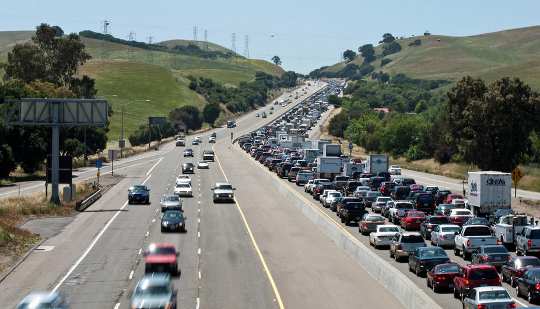 Much of the U.S. was built around the automobile, with greater distances to be covered than in places like Europe, making Americans' daily lifestyles higher in energy than elsewhere.
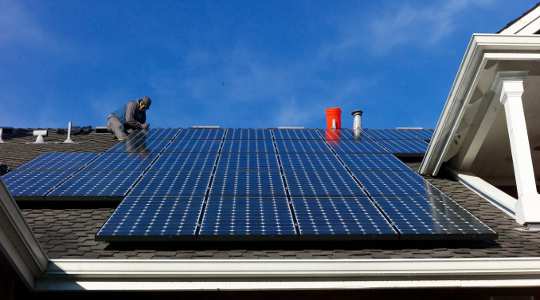 The National Renewable Energy Laboratory this week said that rooftop solar panels have the potential to generate nearly
  Until recently, Earth was so big compared with humanity’s impacts that its resources seemed limitless. But that is no longer the case. Thanks to rapid growth in both human population and per capita consumption, we are now on the edge of irrevocable damage to our planetary life support systems.
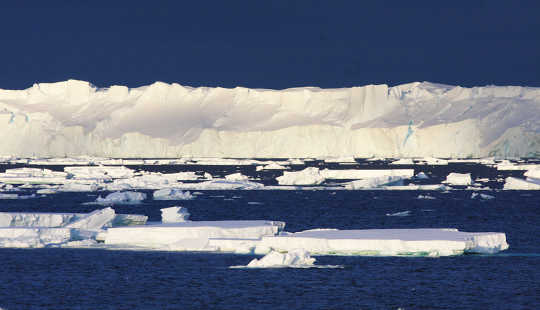 Antarctica is already feeling the heat of climate change, with rapid melting and retreat of glaciers over recent decades. Ice mass loss from Antarctica and Greenland contributes about 20% to the current rate of global sea level rise.
 Talk of changing pensions connects with us at an emotional level – how secure do our futures look? And crucially, how much power do we have over this process? It is a tricky business for the Treasury, too, as its
 Despite appearances to the contrary, this year’s presidential follies have managed to feature at least a few policy discussions amid all the name-calling. Income inequality in particular has animated voters on both sides of the partisan divide, but the solutions advocated by candidates from each party are markedly different.
 Is Britain really using far less food, fuel, metals and materials now than at the turn of the century? Have we reached “peak stuff”? Certainly the UK Office of National Statistics figures for 2000-2013 seem to suggest this is the case.
 Third parties have rarely posed much of a threat to the dominant two parties in America. So how did the People’s Party win the U.S. presidency and a majority of both houses of Congress in 2020?