
Fitness & Exercise
Why Hard Physical Work Is Not the Same as Exercise for Brain Health
A sweeping new meta-analysis covering more than 4.2 million people has uncovered a striking paradox: while leisure-time physical activity reduces dementia risk by roughly 24%,...











 Something as simple as picking up a cup of tea requires an awful lot of action from your body. Your arm muscles fire to move your arm towards the cup. Your finger muscles fire to open your hand then bend your fingers around the handle.
 Chronic fatigue syndrome, a condition where normal exertion leads to debilitating fatigue that isn’t alleviated by rest, has long mystified scientists. There are no known triggers, and diagnosis requires lengthy tests.
 Moms who eat high-fat, high-sugar diets may be putting future generations at risk for metabolic problems, even when their offspring eat healthy diets, a new study with mice suggests.
 Potent doses of broccoli sprout extract activate a “detoxification” gene and may help prevent cancer recurrence in survivors of head and neck cancer, according to new research that confirms preliminary results released last year.
 Regular exercise in middle age is the best lifestyle change a person can make to prevent cognitive decline in their later years, a 20-year study finds.
 A few years ago I proudly lost almost 15% of my weight. However last week I stared with disbelief at my scale as I realised all my efforts were in vain and I had regained all of the previously lost weight.
 For thousands of years humans have defended themselves from harm by others. But many have proceeded to regularly harm themselves. They have actively searched for substances to ingest, inhale, inject and apply which may give them some immediate relief but damage or destroy their lives over time.
 According to the World Health Organization (WHO), more women are affected by depression than men. This pattern is seen in countries around the world, including the United States.
 In this modern age, we tend to run from the sun due to what I believe to be understandable but overblown concerns about skin cancer. Since the time of the Greeks, heliotherapy (sun therapy) has been a valuable way to heal the body and balance the mind.
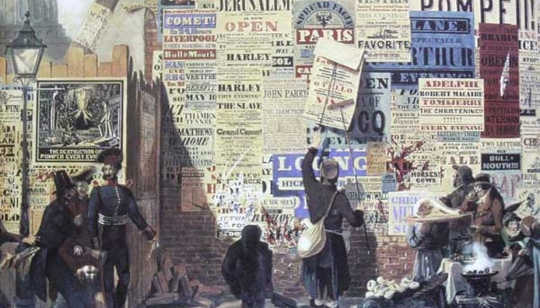 We live, we are so often told, in an information age. It is an era obsessed with space, time and speed, in which social media inculcates virtual lives that run parallel to our “real” lives and in which communications technologies collapse distances around the globe.
 Fentanyl, a synthetic opioid narcotic about 100 times as potent as morphine, continues to be in the news, as deaths from fentanyl overdose continue to rise and even more potent nonpharmaceutical forms become available on the street.
 The World Health Organisation’s cancer arm made two announcements this week: one welcome and one not so welcome.
 A few years ago, I gave conferences in Montreal regarding the healing properties of natural spring water. I was fascinated by the reports of people drinking natural spring water and stating that many of their illnesses vanished or greatly improved just by drinking such water.
 Mobile phone data may reveal an underlying mathematical connection between how we move and how we communicate. This could make it easier to predict how diseases—and even ideas—spread through a population.
 With an estimated 100,000 health and fitness apps available on the two leading smartphone platforms, iOS and Android, it seems there is an app for everything – from tracking your bowel movements, to practising your pimple-popping technique.
 It’s easy to explain the appeal of drugs like heroin and cocaine, which directly stimulate the brain’s reward centres. What’s less easy to explain is the appeal of psychedelic drugs such as LSD and psilocybin that produce altered states of consciousness.
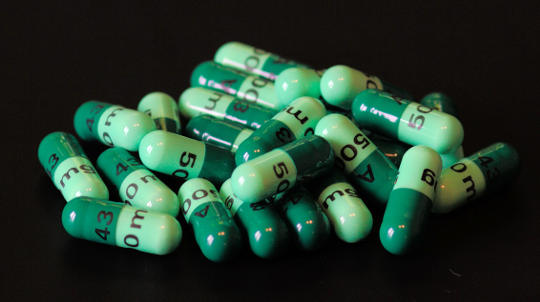 A golden era of antibiotics shifted the leading causes of death away from infection to cancer and cardiovascular disease. At the moment, we can still treat most infections as only a few are resistant to what is currently the last line of antibiotics – the colistins.
 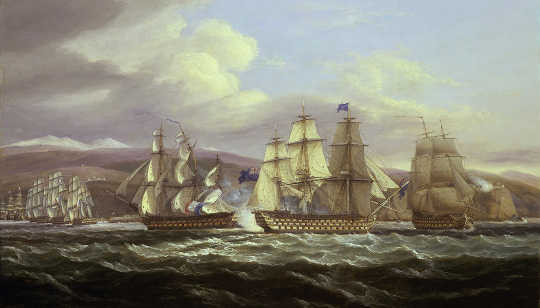 Everyone knows that Britain’s conclusive victory over Napoleon was at Waterloo. The story of that day – the squares of infantry repulsing cavalry charges, the Imperial Guard retreating under murderous musket fire delivered by a red line of soliders, the just-in-time arrival of Field Marshal Blücher’s Prussian army – is one of excitement, horror and heroism.