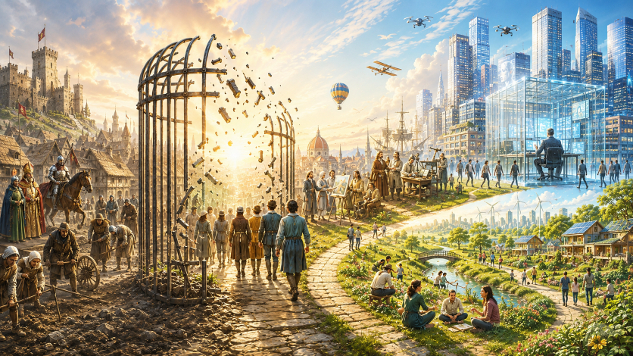
The Cage We Keep Rebuilding and What Comes Next
Something feels broken, and it isn't just your news feed. Across wealthy democracies, people are sensing that extraordinary technological power and individual freedom aren't...

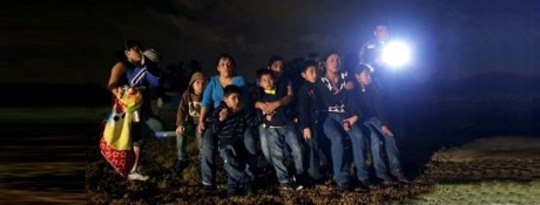
So far this year, more than 48,000 undocumented minors have been detained while crossing the U.S. border from Mexico. But increasingly, the kids aren't from Mexico. They're from Honduras, Nicaragua, and El Salvador, and they're fleeing from violence and poverty in their home countries, according to Reuters.

For some time, the bee population has been steadily declining worldwide, and this is most directly attributed to the negative impact of pesticides. Now, there's a lot of buzz around a recent study by Dutch researchers, which has found that the toxic chemicals we use are having a ripple effect farther up the food chain, causing insectivorous birds to rapidly decline in number.

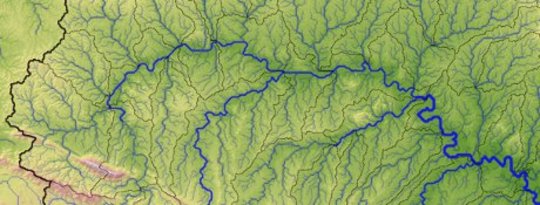
For years, the U.S. Environmental Protection Agency has been frustrated in its efforts to pursue hundreds of cases of water pollution — repeatedly tied up in legal fights about exactly what bodies of water it has the authority to monitor and protect. Efforts in Congress to clarify the EPA's powers have been defeated. And two Supreme Court decisions have done little to decide the question.

The United States Postal Service (USPS) management just ran into a possible game-changing obstacle to its shameful pursuit of a fully privatized post office: labor solidarity.
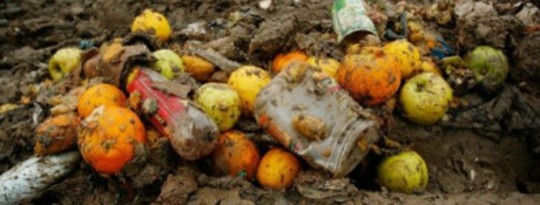
More than a third of the food produced in the United States winds up in the garbage—a problem that some states, particularly in New England, are trying to tackle for financial and environmental reasons. Massachusetts is banning businesses from dumping leftovers in landfills. So what’s the best alternative?
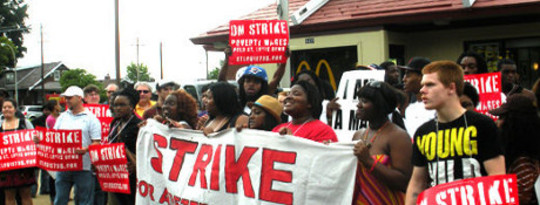


On the heels of what many are calling a historic convention of over 1,200 fast food workers held in the Chicago suburbs last weekend, the campaign for "$15 and a union" won a major National Labor Relations Board decision that, if upheld, could have significant repercussions throughout the industry...

Over the past two decades, the amount of money a college student must borrow to pay for their education has doubled. The graduates of 2014 now sit at the top of the class in student debt. Tuition fees have risen dramatically as household incomes have stagnated, at best, causing some 70 percent of students to fund their higher educations through loans.

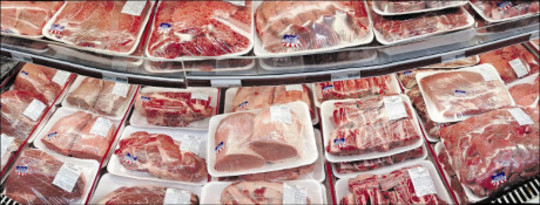
That eating beef is environmentally costly is by now widely appreciated. But little has been done to curtail the amount of cattle farmed for meat consumption.

Facing declining visitors and uncertainty about what to do about it, library administrators in the new town of Almere in the Netherlands did something extraordinary. They redesigned their libraries based on the changing needs and desires of library users and, in 2010, opened the Nieuwe Bibliotheek (New Library), a thriving community hub that looks more like a bookstore than a library.

Globally 1.2 billion people live in areas of water scarcity — defined by the United Nations as locations with an annual water supply that drops below 1,000 cubic meters per person.

Throughout history, local currencies have been used not only as a way to survive during periods of economic uncertainty, but also as a bold way to opt out of a global monetary system that many find exclusionary and, in some cases, corrupt. The only thing that gives modern money value is the fact that...

Nothing shocks me too much anymore about online abuses of privacy. It is hard to know just who you can trust online these days. We are being asked "Who are you going to believe? Me or your lying eyes". Well, it appears my eyes haven't been lying too much lately...

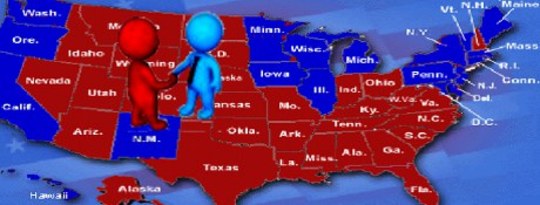
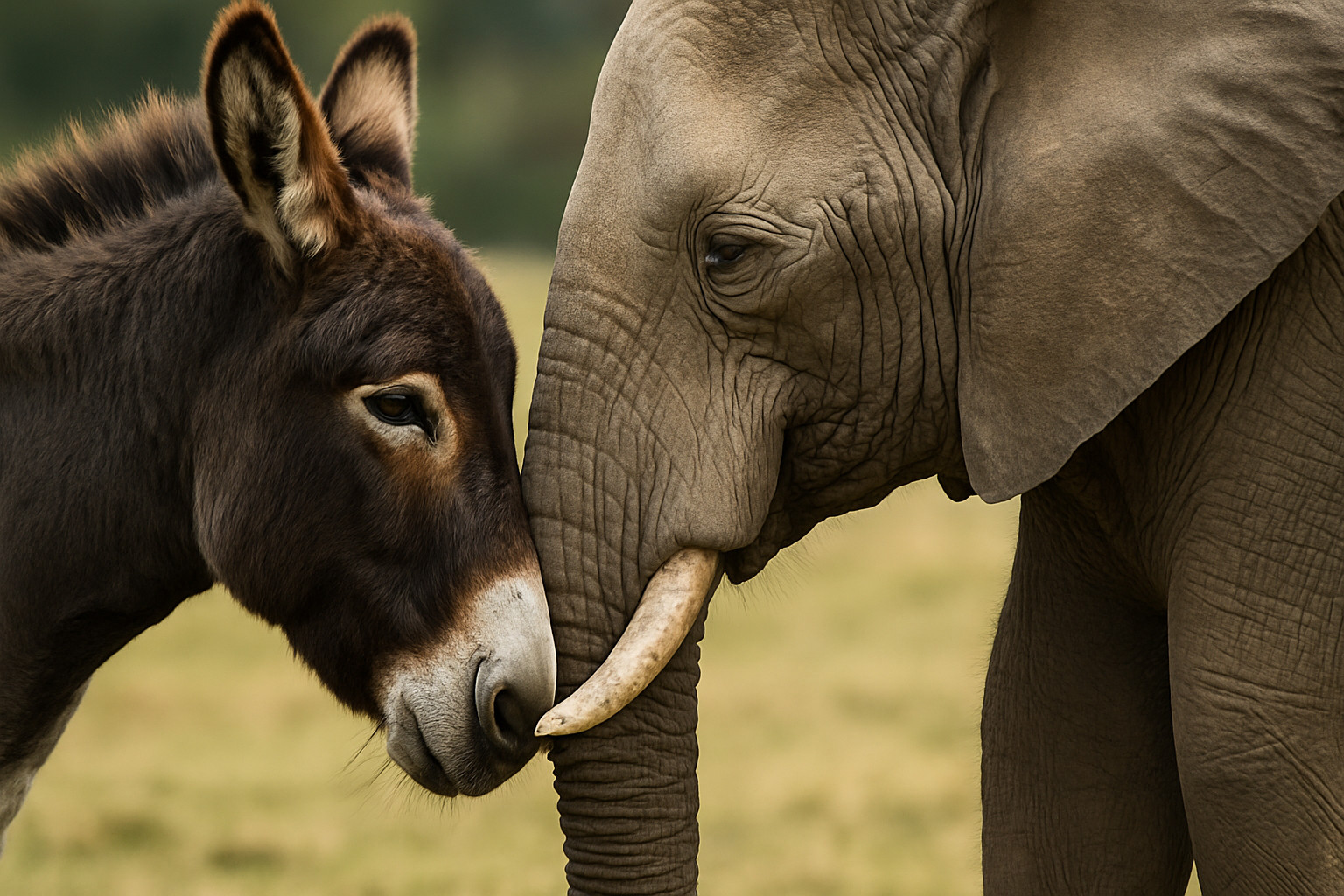
What if you asked Americans in largely "red" or Republican districts and largely "blue" or Democratic districts very specific questions about what government should do—about taxes, reproductive rights, foreign affairs, and the like, and 96 percent of the time they agreed? And 69 percent of the time there wasn't even a statistically significant difference ...

The secret ingredient in Boston's prize winning tap water? Forest conservation. If you already love Boston for its unmistakable accent and unpredictable baseball team, you might want to consider adding its tap water to your list. Boston came out on top of this year’s tap water taste test...

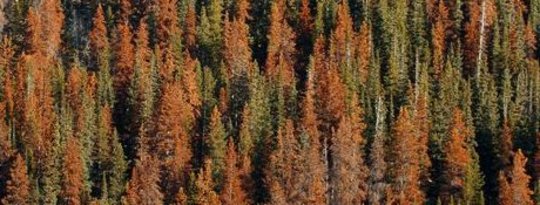
If you’ve ever wondered how much little things really matter, consider the mountain pine beetle. Roughly the size of a grain of rice, the glossy black insect lives only about a year. A throng of beetles can ravage a pine as tall as an eight-story building, as the tree first oozes sap, then its needles turn rusty red...

As a high school student, I have seen environmental apathy everywhere. The basic concept among my peers seemed to be "why worry about it -- we're only here for a short time". I believe this attitude could be severely affected by the child's family.

Mostly, the work of social change is a slow process. It involves patiently building movement institutions, cultivating leadership, organizing campaigns and leveraging power to secure small gains. If you want to see your efforts produce results, it helps to have a long-term commitment.

Dire warnings of imminent human-induced climate disaster are constantly in the news but predictions of the end of the world have been made throughout history and have never yet come true.

Today’s youth are so civic minded that some social commentators have dubbed them the “civic generation.” For them, it seems the American Dream has taken on a whole new meaning: it’s all about the people. “Community service is part of their DNA. It’s part of this generation to care about something larger than themselves...”

Spring and summer have come early – and observations from some parts of the country even suggest that typical autumn events, such as the development of beech nuts and hawthorn berries, are already in evidence. But, to understand effects on our wildlife, a longer view is needed...

In Missouri thousands of independent small and mid-size family hog farmers have gone out of business because they don’t have access to a fair market. “Because of massive corporate control of the market, we’ve lost 91 percent of hog producers in Missouri since 1985. That’s over 20,000 farmers and many, many jobs in our rural communities.”