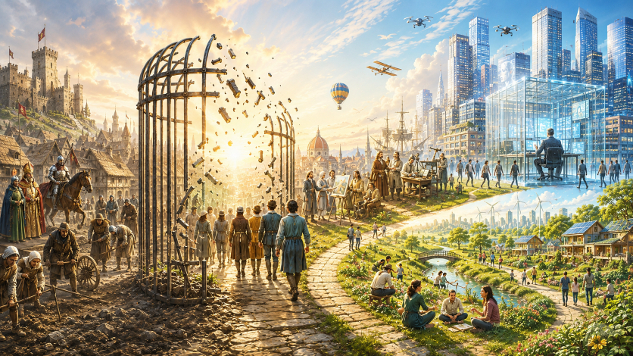
The Cage We Keep Rebuilding and What Comes Next
Something feels broken, and it isn't just your news feed. Across wealthy democracies, people are sensing that extraordinary technological power and individual freedom aren't...


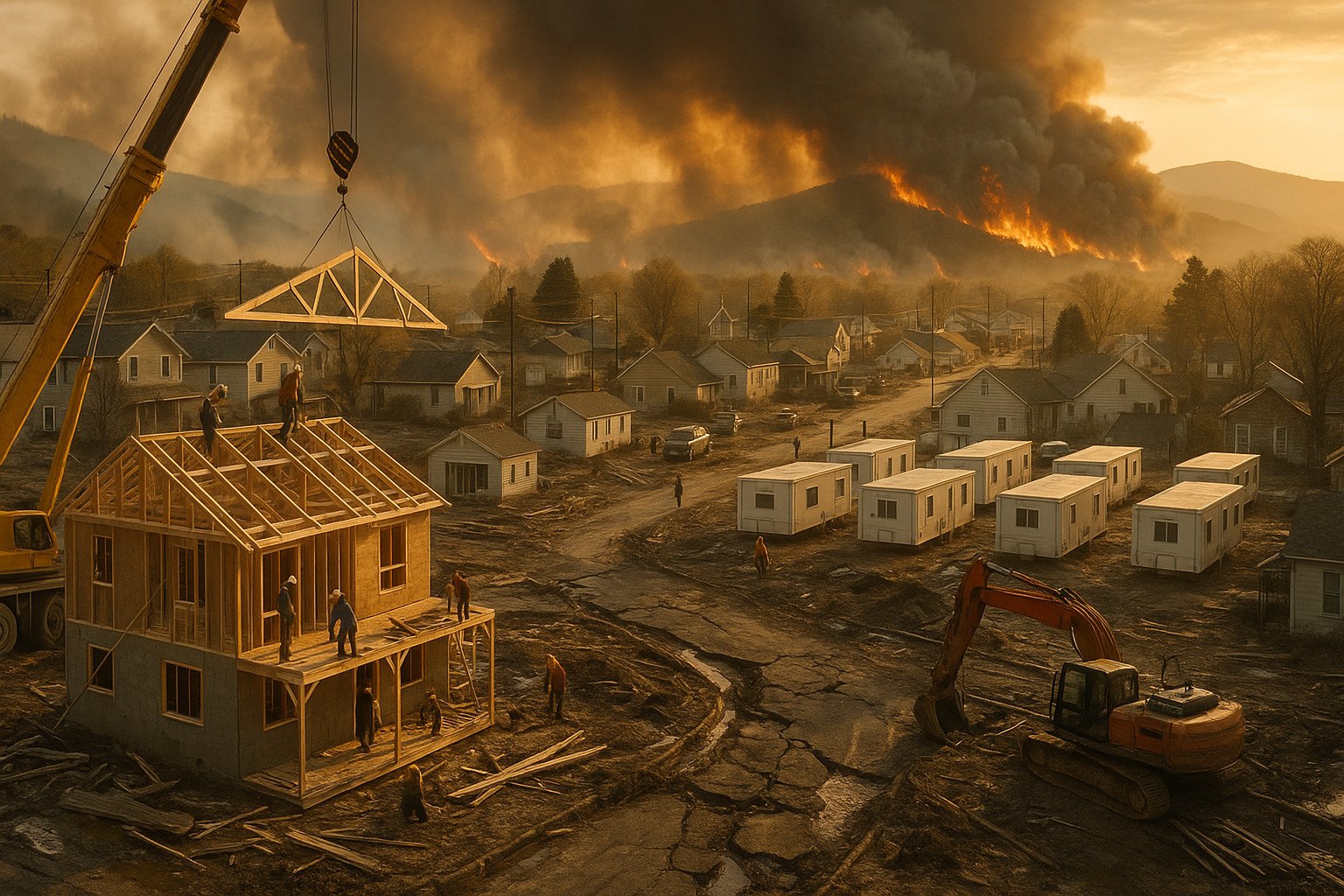
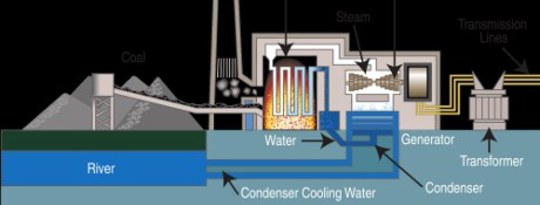
The climate science might be gloomy but at least governments seem to be doing something about it. But this is only half the story. Side by side with policy initiatives designed to cut greenhouse gas emissions have come new policies that have the opposite effect: increased emissions.

The urbanization of our population has major implications for climate change. The sheer volume of all this growth in highly concentrated areas, combined with the corresponding growth in carbon emissions, requires that our cities be able to adapt and evolve more quickly than ever before.The good news is: they can.

At the top of the world, it’s time to get ready for a new future. In the winter of 2013–14, hundreds of milk-white birds with luminous yellow eyes and wingspans of up to 5 feet descended on beaches, farmers’ fields, city parks and airport runways throughout southern Canada and the United States.

What the left needs is an account of how the suffering we experience in our personal lives stems from capitalist values, and to replace this system with one built on values of love and caring.

On the weekend of November 16th, the G20 leaders whisked into Brisbane, posed for their photo ops, approved some proposals, made a show of roundly disapproving of Russian President Vladimir Putin, and whisked out again. It was all so fast, they may not have known what they were endorsing when they rubber-stamped the Financial Stability Board’s “Adequacy of Loss-Absorbing Capacity of Global Systemically Important Banks in Resolution,” which completely changes the rules of banking.

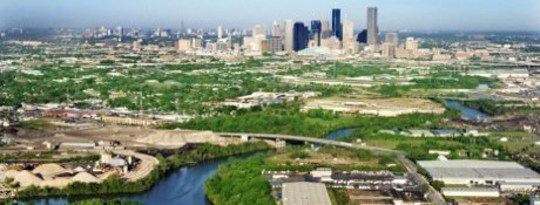
The U.S. capital of the oil industry could teach other cities a thing or two about fighting climate change—in a politically inhospitable climate.

In the wake of a Missouri grand jury’s decision not to indict Darren Wilson, the police officer who shot and killed Michael Brown, it can be difficult to imagine a place where law enforcement and a racially diverse population work together productively in the United States.

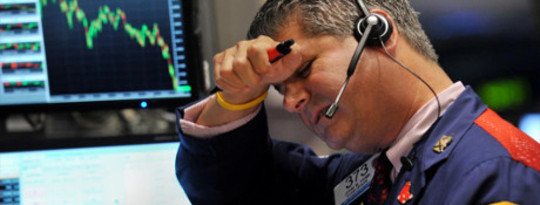
The subprime crisis and the subsequent failure of Lehman Brothers came as such a shock – and the repercussions were so severe that when the time came to mount a response, policy makers were as surprised as the rest of us and woefully unprepared.

It’s no secret that the global population is ageing. We’re living longer than ever and are healthier until much later in life. But we’re still struggling to adapt to this changing demographic – and some are struggling more than most.

In a post-Snowden world, anonymity is what people want online. Smartphone apps offering anonymous messaging are popping up everywhere – Secret, Whisper, and now Yik Yak. The latest additions to privacy-protecting technology, they claim to provide anonymous, location-based confession, expression, and discussion platforms.

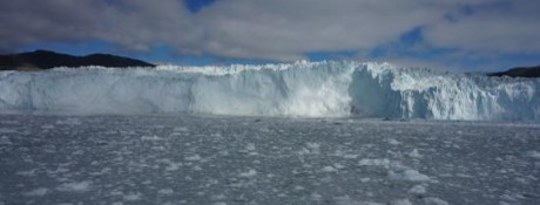
For several years now climatologists have puzzled over an apparent conundrum: why is Antarctic sea ice continuing to expand, albeit at the relatively slow rate of about one to two percent per decade, while Arctic sea ice has been declining rapidly?

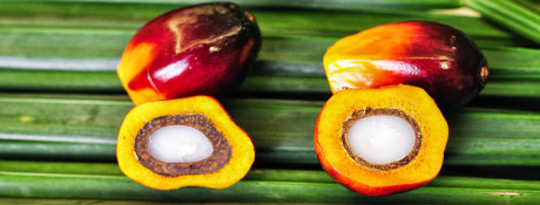
The oil palm, one of around 2,600 species of palm, must be one of the most hated plants on Earth. Ask any self-respecting environmentalist, and his or her face is likely to turn red with anger at the mere mention of its reviled name: Oil Palm.

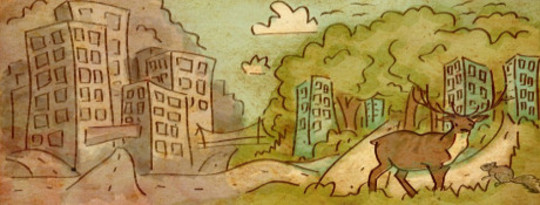
When we design cities like ecosystems, they have the potential to address many of our most pressing issues. Of all the things people build, cities are the most important.

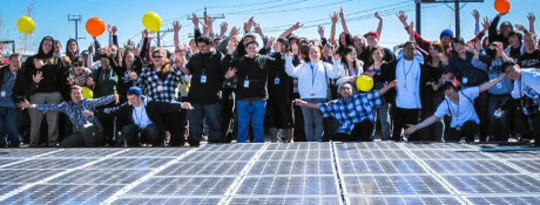
There is no shortage of shouting and dire warnings about the state of the climate and our need to phase out fossil fuels. But there is a more silent revolution happening too — in micropower.

The fragmentation of global production has dramatically increased the length and complexity of supply chains. The Organisation for Economic Co-operation and Development (OECD) estimates that more than half of the world’s manufactured imports are intermediate goods.

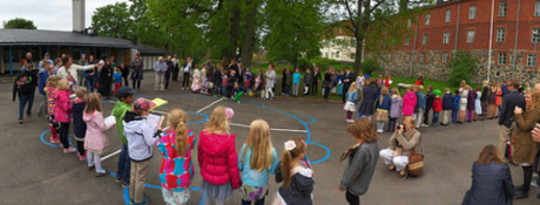
When looking at large-scale international studies and comparisons of education systems worldwide, everyone’s always talking about Finland. Finland seems to set the benchmark for education worldwide. Foreign educational experts, delegations of teachers and educational politicians...

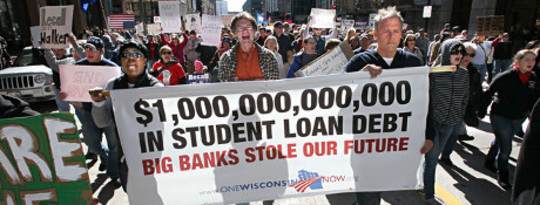
Instead of loaning students money, the federal government could just pay for their tuition, without causing any significant economic problems. Last month, Lower Saxony became the final state in Germany to abolish tuition for all students at public universities.

As each U.S. election cycle rolls by, public life seems to grow more rancorous, frayed and fragmented, and the 2014 midterms were no exception. There is a palpable sense that something deeper is at work in America, some sea change in the underlying patterns of life, but is this valid?

From kitchens that buy and sell locally grown food, to a waste co-op that will return compost to the land, new enterprises are building an integrated food network. It's about local people keeping the wealth of their land at home.

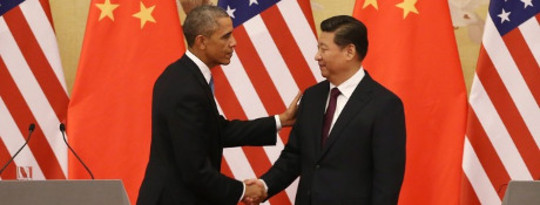
The United States, the world’s biggest historical emitter of greenhouse gases, has pledged to cut emissions by 26-28% by 2025 relative to 2005 levels, while China, the current biggest emitter, has promised to peak its emissions by no later than 2030.

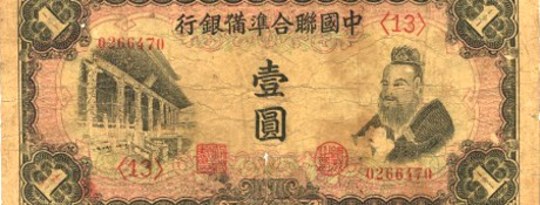
In today’s China, the philosopher Confucius is back. To mark his 2,565th birthday this September, the nation’s President, Xi Jinping, paid homage to the sage at an international conference convened for the occasion.