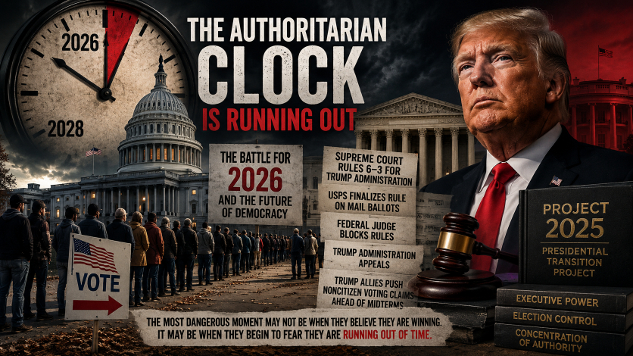
The Authoritarian Clock Is Running Out
The most dangerous moment for American democracy may not come when those attempting to dismantle it believe they are winning. It may come when they begin to fear they are running...
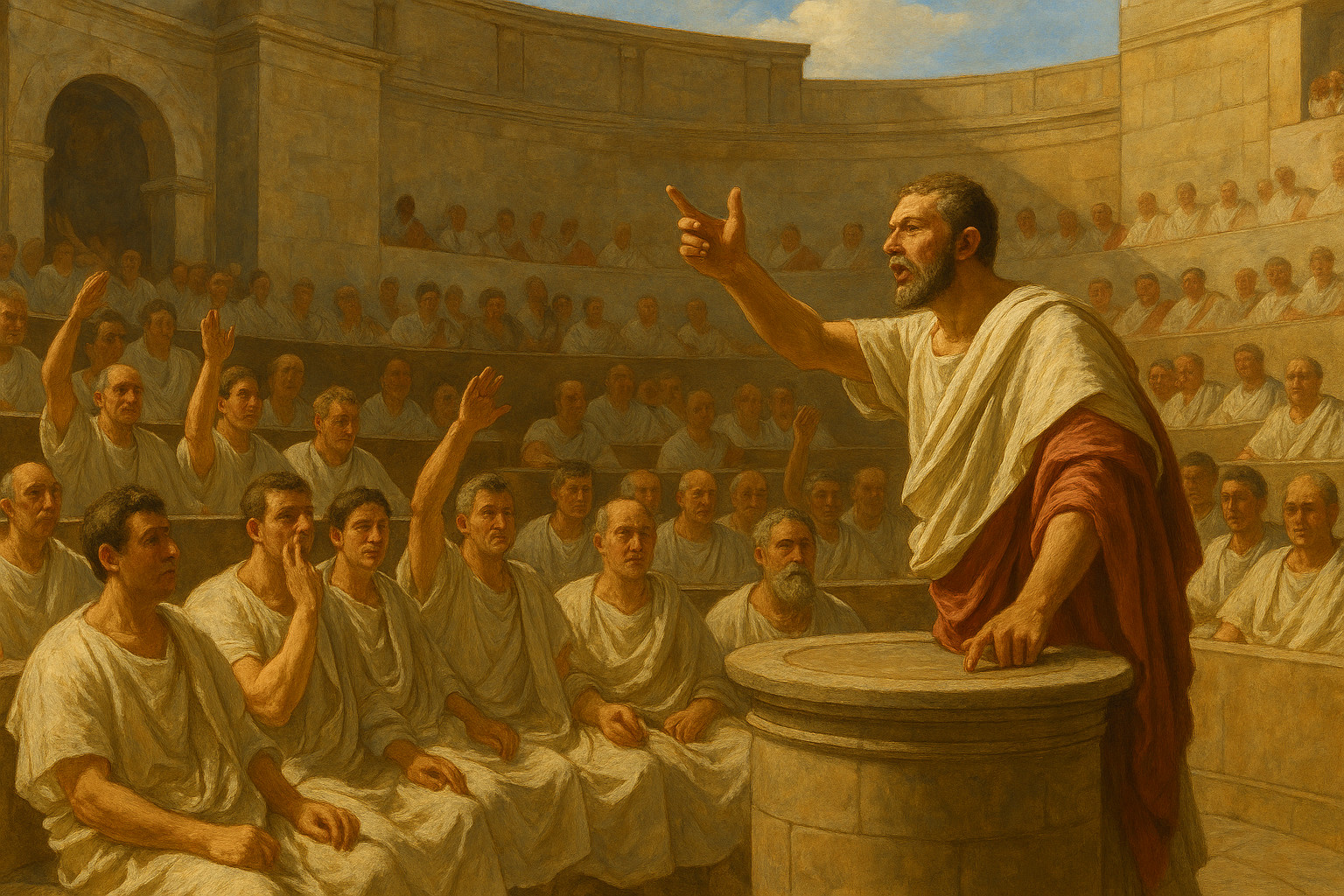
Democracy did not arrive in Athens one morning fully formed, like a gift from the gods. Human beings were limiting power, arguing about fairness, and building consensus long before anyone carved a law into stone. The story of democracy is not a straight line upward — it is a recurring argument, one that every generation inherits and must choose to continue.

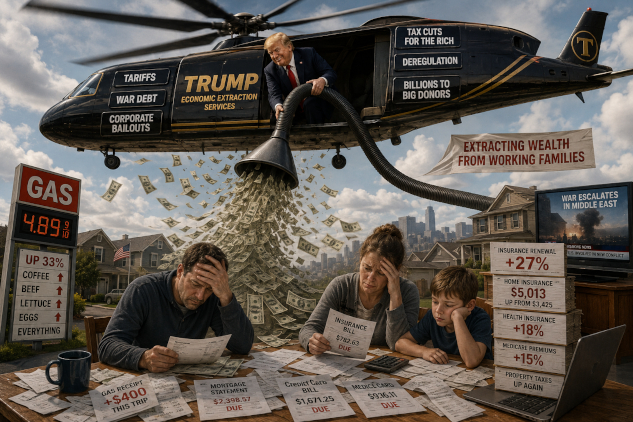
Somewhere between the rally ticket and the ruptured friendship, between the crypto coin and the quiet erosion of your retirement account, there is a number. It is the amount you are personally willing to spend to have a leader like Donald Trump running the country. Most people have never added it up. This article asks you to try.

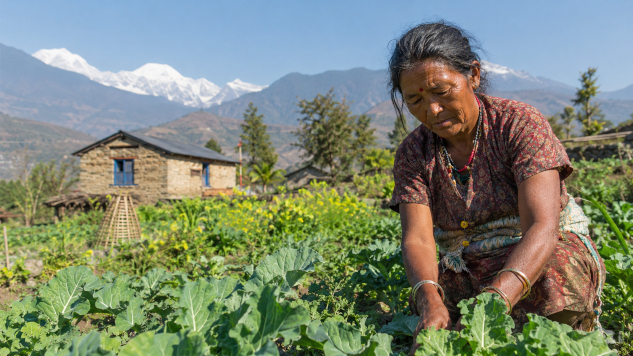
A landmark study published in Nature has put hard numbers on something ecologists have long suspected: insects do not just fertilize flowers, they sustain human lives. For smallholder farming communities in Nepal, pollinators were found to be directly responsible for nearly half of household farming income and more than a fifth of critical vitamin intake. Lose the bees, and you do not just lose honey — you lose the economic floor beneath millions of the world's most vulnerable people.

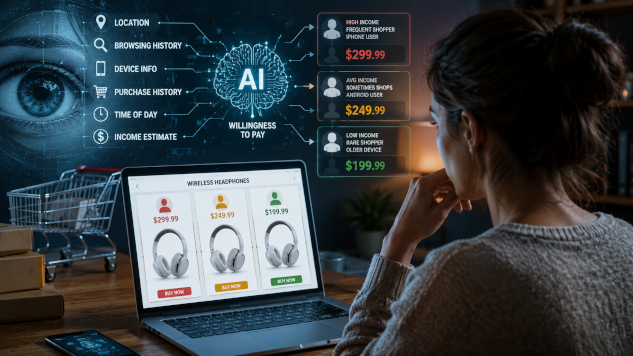
You pick up your phone, search for a pair of shoes, and the price you see is not the price your neighbor sees. Same shoes, same website, same moment in time, different number on the screen. That is not a glitch. That is the system working exactly as designed. Welcome to surveillance pricing, the practice that knows more about your wallet than your accountant does, and uses every bit of it against you.

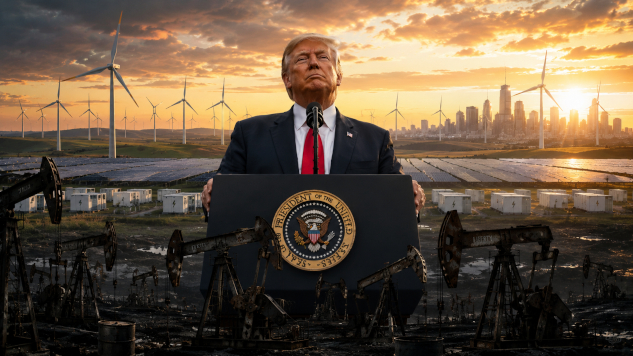
Under an administration that spent four years shouting "drill, baby, drill," U.S. greenhouse gas emissions dropped to their lowest levels in decades. Global renewable energy adoption is now accelerating at a pace that would have seemed impossible just five years ago, and the man most responsible for that acceleration never planted a single tree or installed any solar panels. This is the story of how one presidency, through sheer force of dysfunction, did more to advance the climate movement than a generation of polite environmental legislation ever managed.

There is a fact about modern poverty that almost nobody wants to say out loud: dying from heat is now, in large part, a function of income. As climate change pushes average temperatures into ranges that the human body was never designed to tolerate for extended periods, the ability to cool your home has quietly become one of the starkest dividing lines between those who are safe and those who are not. The air conditioner, once a luxury appliance, is now infrastructure for survival.

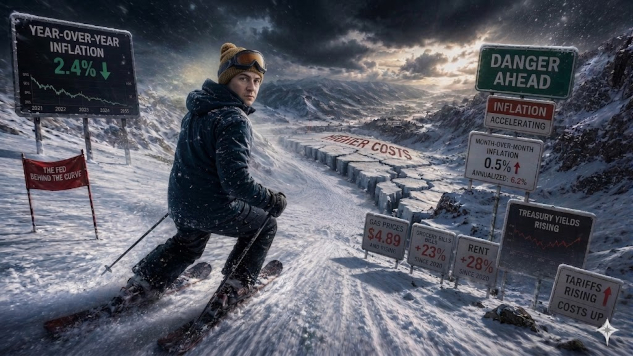
My yard man understood inflation in sixty seconds, but the financial press establishment has spent months obscuring what any working person can grasp immediately: the difference between year-over-year and month-over-month inflation tells you whether prices are stabilizing or accelerating dangerously.

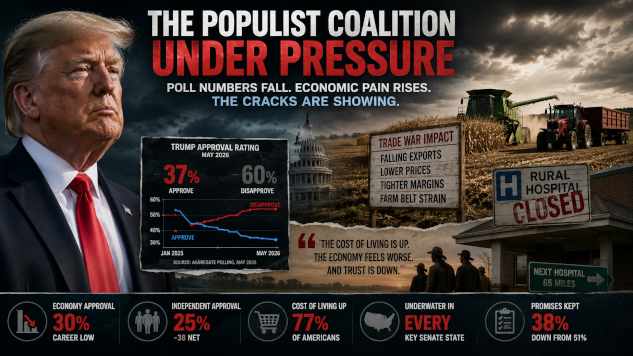
Something uncomfortable is happening in the counties that delivered Donald Trump his biggest margins. Farmers are watching their export markets shrink, rural hospital closures are accelerating, and the tariff policies sold as economic nationalism are hitting agricultural communities harder than almost anywhere else. The question is not whether discontent exists among Trump's base, but whether it is deep enough, and organized enough, to matter politically.

Joseph Goebbels was not the architect of Nazi ideology but its master salesman, and he documented his methods with precision. The techniques he developed to manufacture consent and control reality did not die with the Third Reich. They evolved, adapted, and now operate at scale across American politics, media, and digital platforms with ruthless efficiency.

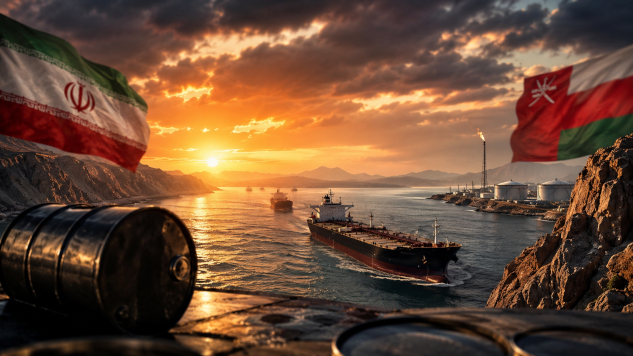
A blockade of the Strait of Hormuz would disrupt one-third of the world's seaborne oil trade overnight. If geopolitical tensions in Iran escalate to that point, your grocery bill, gas tank, and retirement account won't wait for diplomatic solutions. Understanding the mechanics of this risk isn't pessimism—it's financial literacy.

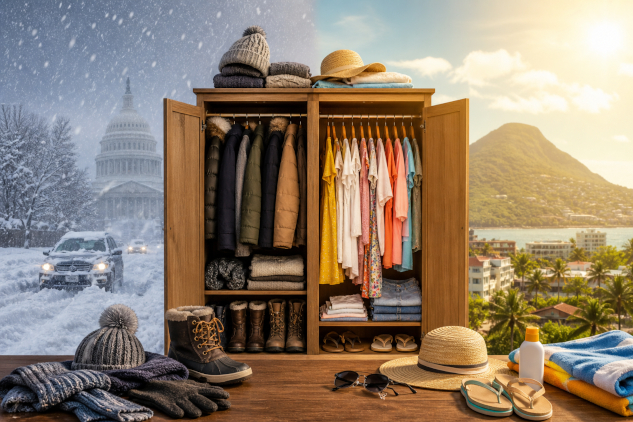
The distinction between weather and climate is crucial for understanding environmental changes and making informed decisions. Weather refers to short-term atmospheric conditions, while climate encompasses long-term patterns. This article explores how this knowledge can guide personal adaptations and climate-related planning.

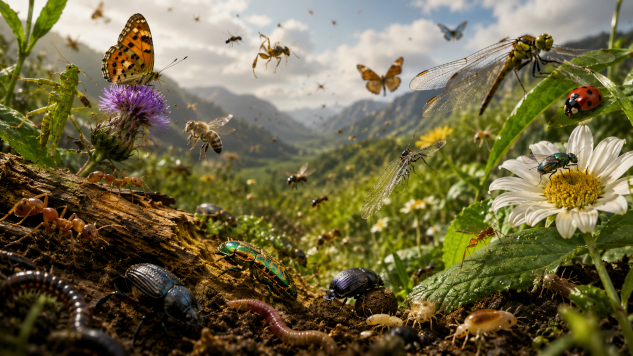
Surveys reveal a drastic decline in insect populations, with a potential extinction of 40% of species in the coming decades. Factors such as agricultural practices, habitat loss, and climate change contribute to this crisis, threatening ecosystems and food webs that rely on these crucial organisms. Understanding the implications of this loss is vital for future ecological stability.

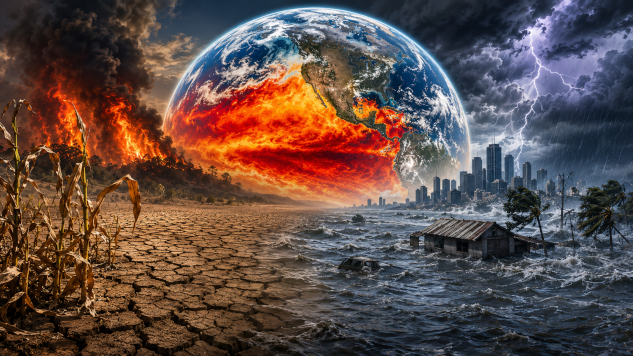
A super El Nino is building in the Pacific. James Hansen projects global temperatures could reach 1.7°C above preindustrial levels by 2027. The Iran war has already pushed fertilizer prices up 50 percent. Droughts and floods are battering the world's growing regions. The buffer stocks are thin. The insurance industry is retreating. And most governments are pretending this is temporary weather. Welcome to the oh-shit moment nobody prepared for.

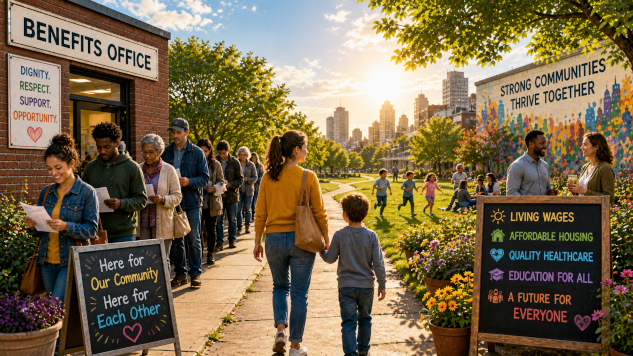
We like to think of welfare as compassion—food stamps, rent relief, and heating aid helping people through hard times. But if that were enough, why does the need keep growing generation after generation. Maybe the problem is not that we have too little welfare, but that we built an economy that depends on it. The question is not how to fix welfare, but how to make it unnecessary.

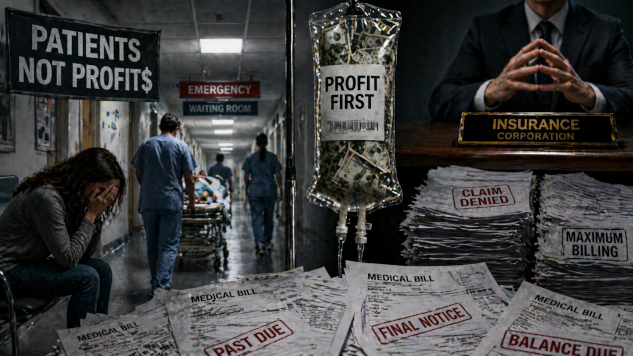
America spends more on health care than any other nation, yet the costs keep soaring and too many people still lose hope. The $2 trillion question is not simply about money, it’s about the choices we make when suffering becomes a commodity.

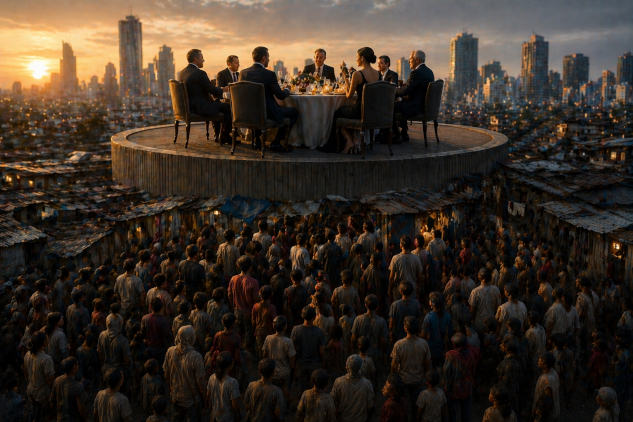
Sixty thousand human beings now control more wealth than the bottom half of humanity combined. That's fewer people than fill a football stadium holding more financial power than four billion souls.

Wall Street hit a record high on Friday morning because a foreign minister in Tehran posted on X. That is the whole story in one sentence. The rest of this article is what that sentence actually means, and why it means a great deal more than the Dow is telling you.

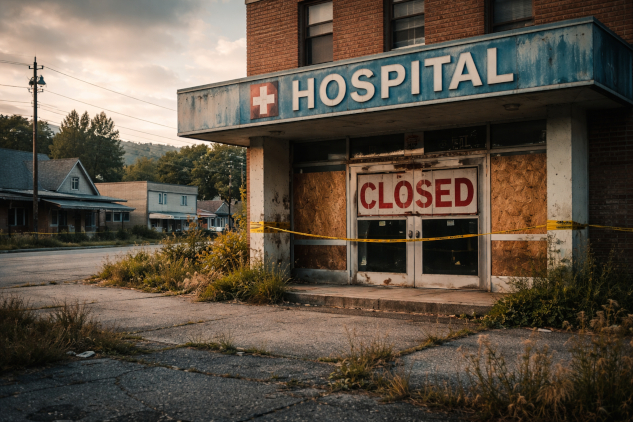
Rural hospitals are vanishing across Trump country. The same voters who delivered him the White House are now driving 40 miles for an ER, losing maternity wards, and watching their towns collapse when the hospital closes. America spends more on healthcare per capita than any nation on earth. The rural communities that trusted the most are getting the least. This is what healthcare betrayal looks like from the inside.
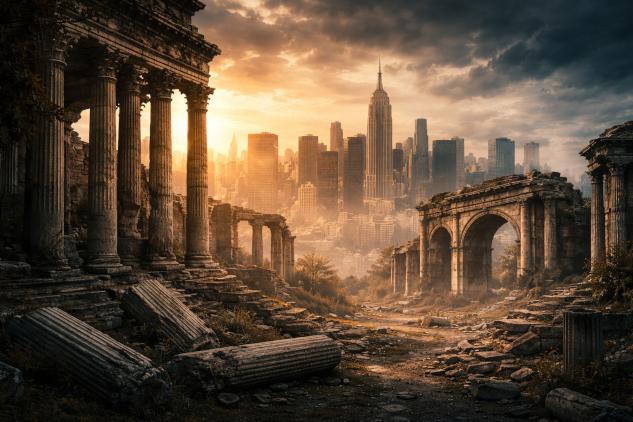
America spent $50 trillion on wars it lost while China built the future. The pattern is older than either nation. Rome fell this way too. Roosevelt knew the alternative. We chose the machine instead.

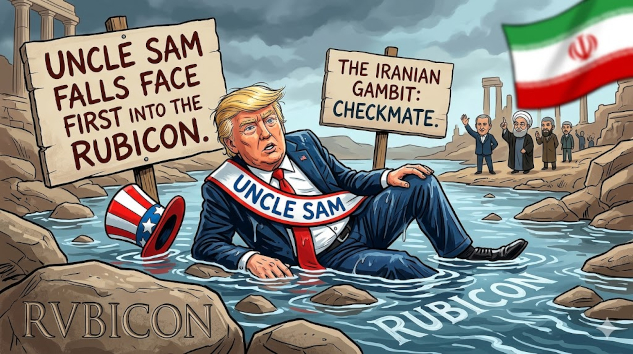
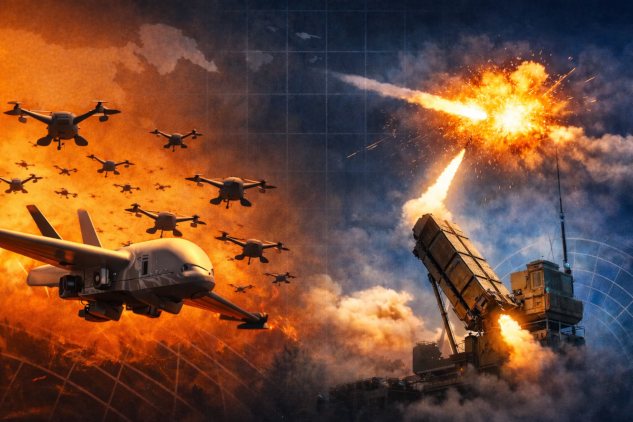
A veteran who read NATO's real nuclear war plans at the Fulda Gap sees a familiar pattern in the Iran war — and it's worse than what's being reported. The $20,000 drone has broken Israel's defense math. Interceptor stocks are dwindling. The escalation ladder is losing its middle rungs. And the nuclear risk is no longer abstract — it is becoming structurally plausible under continued escalation. What happens next doesn't stay in the Middle East. It reaches your wallet before the smoke clears.

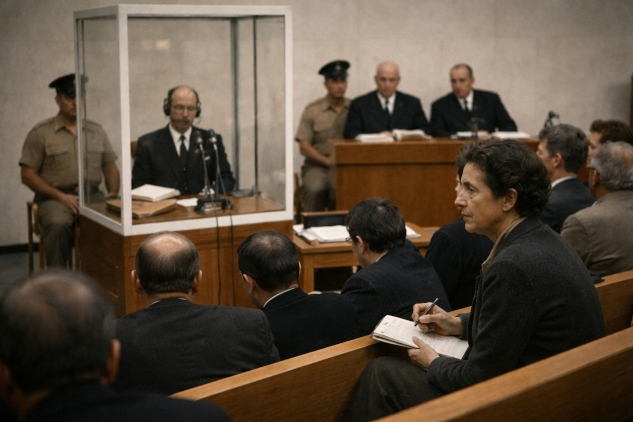
Hannah Arendt went to Jerusalem in 1961 expecting to see a monster. What she found was a bureaucrat who was very good at his job. That gap between what she expected and what she saw produced one of the most important — and most uncomfortable — ideas of the 20th century. And we have spent sixty years doing our level best to ignore it.