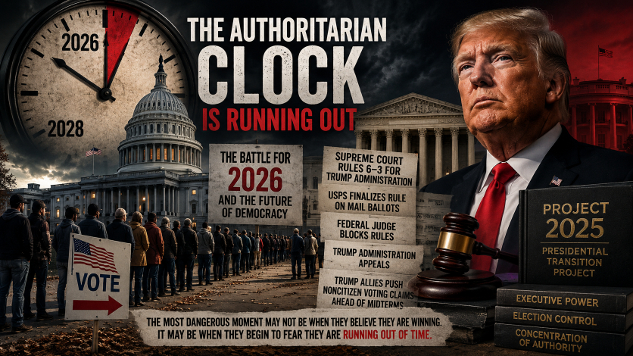
The Authoritarian Clock Is Running Out
The most dangerous moment for American democracy may not come when those attempting to dismantle it believe they are winning. It may come when they begin to fear they are running...


Climate models once seemed abstract, but today their predictions have become reality. From rising temperatures to shifting weather, climate researchers got it right. The accuracy of these forecasts isn’t just about science, it’s a roadmap for humanity. By understanding what climate models reveal, we can shift from fear toward cooperation, renewal, and action for a future where collective choices matter more than denial.

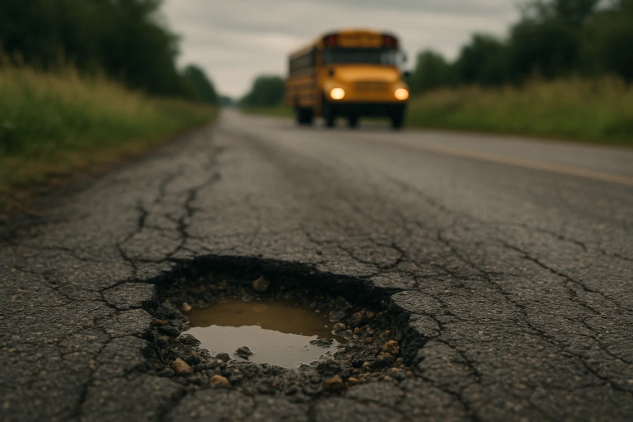
Now, I’m no fancy economist, but when the road eats my axle, I start doubting all this “fiscal responsibility” talk. Deficits aren’t dangerous when spent wisely. Government spending on housing, healthcare, education, and energy lowers daily costs and grows individual wealth. Bad roads, high rents, and medical bills bleed families dry. But smart investment flips the script, building capacity, cutting bills, and leaving people richer, not poorer. It’s not about spending less, but spending better. That’s the real wealth strategy.

The legend of King Arthur and the Camelot vision has echoed through centuries, offering us more than knights and battles. Within the myth lies a timeless story of justice, loyalty, and renewal. From the Round Table’s promise of equality to Camelot’s fall from grace, the lessons remain urgent. In rediscovering King Arthur, we glimpse our own search for leadership, integrity, and the possibility of a better tomorrow.

What does it really take to feel happy? The answer isn’t just about money, it’s about the inequality around you. In unequal societies, the amount of income needed to feel “enough” keeps rising. This article looks at how income happiness is shaped by inequality happiness, why comparisons matter, and what this means for our well-being and the society we build together.

Insurance shrinkflation is the hidden crisis of 2025. As premiums climb, many policies now cover less while charging more. Like food product shrinkage, insurers quietly reduce coverage or raise deductibles without lowering prices. This means families are paying higher premiums for weaker protection. Understanding insurance shrinkflation is essential for protecting your financial security and making smart, empowered decisions about coverage.
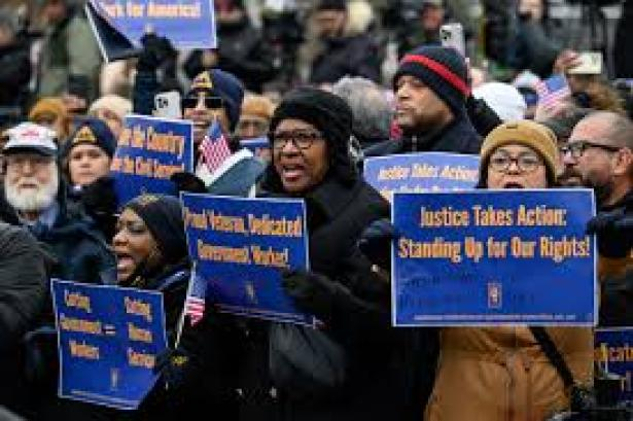
Black women jobs in the federal workforce are disappearing at alarming rates, stripping away hard-won pathways to stability. As Trump’s cuts target agencies with high Black women representation, families lose security, benefits, and income. This is more than statistics, it’s a structural crisis that undermines the entire economy. When Black women lose jobs, America loses a cornerstone of its workforce and its future.
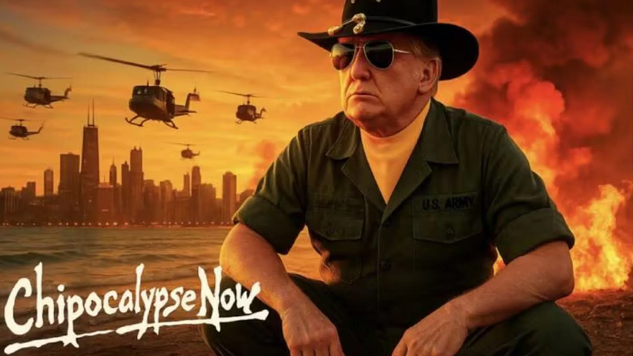
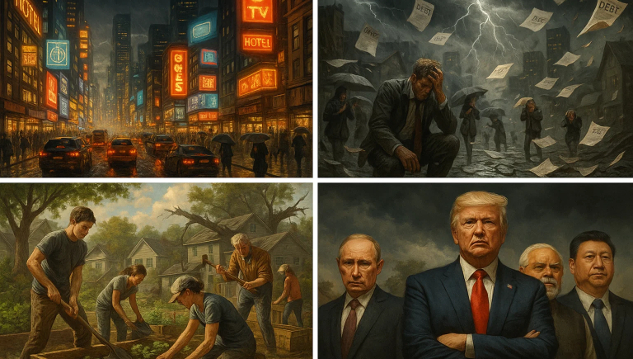

Renaming the Department of Defense to the Department of War isn’t just a cosmetic change. It’s a symbolic act that signals America’s drift toward authoritarianism and away from peace. Words matter, and this shift carries historical echoes that could undermine American democracy and global stability. Understanding why this matters is crucial to resisting the normalization of permanent war.

All things tend toward excess. All things must recalibrate. Excess and recalibration are the universal rhythm of existence. From atoms to empires, from stars to souls, the pattern is the same: excess, collapse, renewal. We are not living through a moment of random chaos. We are living through a global polycrisis, where every excess of the past century is now demanding recalibration. Welcome to the world disorder of 2025.

We all face bullies—both in the world and in our own minds. Whether it’s an authoritarian leader, a manipulative boss, or the inner critic whispering “you can’t,” silence only feeds them. This article explores how to stand up to bullies with courage and compassion, reclaim your dignity, and build solidarity with others. The time for silence is over. The time for standing up is now.

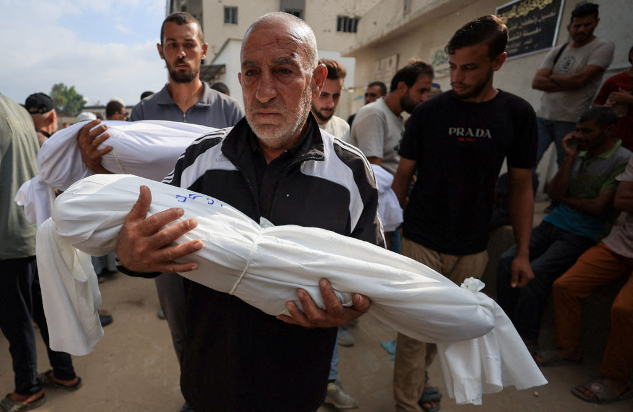
Trump and Netanyahu’s proposed Gaza plan promises luxury resorts, AI cities, and massive investor profits, built on the ruins of Palestinian homes. Marketed as “voluntary relocation,” it strips Gaza’s people of their land and future while selling it as a visionary project. Beneath the glossy promises, critics see something darker: a genocide for profit. This raises urgent questions about power, ethics, and the future of Gaza.

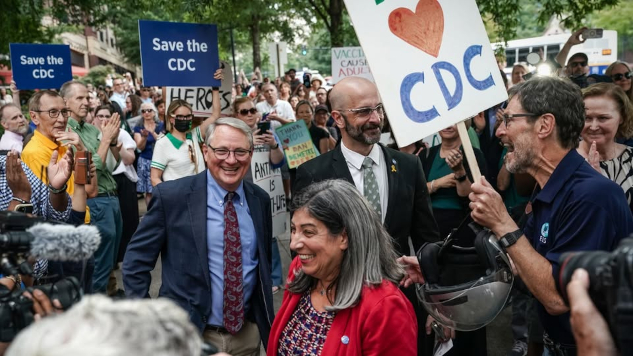
Public health in America stands at a breaking point. With the CDC crisis deepening and vaccine systems under attack, experts warn the U.S. is unprepared for the next pandemic. From political interference to underfunded infrastructure, the lessons of COVID are being ignored while history repeats itself. This article explores what’s at stake for our safety, trust, and future.

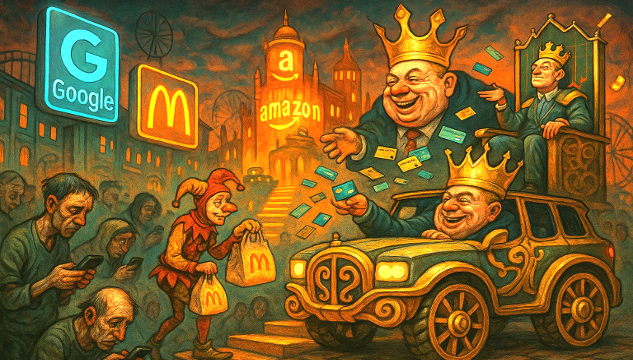
Neo-feudalism is no longer a theory; it’s the reality unfolding before our eyes. As wealth concentrates at the top, millions sink into debt, precarity, and economic collapse. From Reagan’s tax cuts to Trump’s tariffs and Biden’s inflation squeeze, the system has been rigged to protect elites while pushing the rest of us toward modern serfdom. The question is, will we accept it, or rise to demand a new economy?

In today’s world of misinformation, knowing how to identify credible sources is vital. By practicing mindful source evaluation and applying the CRAAP Test, you can separate fact from bias, truth from manipulation. This guide offers practical steps to strengthen your awareness, build trust in reliable information, and empower your decision-making in an overwhelming sea of media noise.

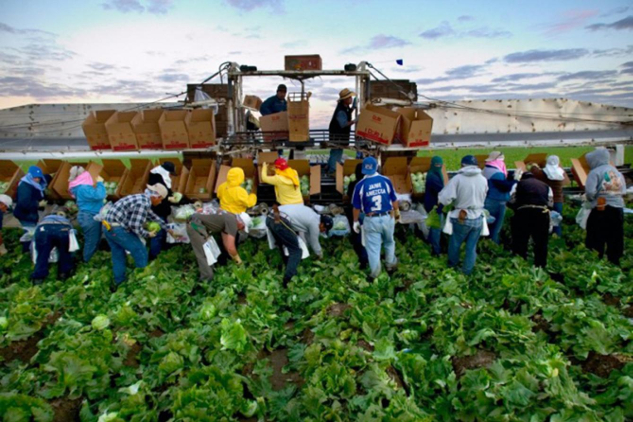
As AI displaces middle-class workers, a deeper question emerges: will native-born and educated workers accept the immigration jobs they once rejected? From coding to farm fields, society may face a reckoning over labor, dignity, and career expectations. The intersection of immigration and AI displacement could reshape the workforce in ways few are prepared to face.

The pollinator crisis is no longer just about pesticides and habitat loss. New threats, wars disrupting farmlands, microplastics damaging bees’ memory and immunity, and light pollution disorienting colonies, are accelerating bee decline worldwide. Without urgent action, global food security and biodiversity face collapse. Understanding these hidden dangers is essential if we want to protect pollinators, safeguard ecosystems, and ensure humanity’s survival.

Gerrymandering and voter suppression aren’t clever political strategies; they’re the termites eating away at America’s wooden beams. The house still looks pretty from the outside, but inside the joists are hollow. From Elbridge Gerry’s salamander-shaped district in 1812 to the modern algorithm-driven map wars, democracy has been rigged, rerigged, and then shrink-wrapped for partisan advantage. Republicans have turned suppression into an art form, while Democrats have tried to play nice. But niceties don’t win knife fights. The real question is whether fighting fire with fire could finally push the Supreme Court to outlaw the matchbox altogether.

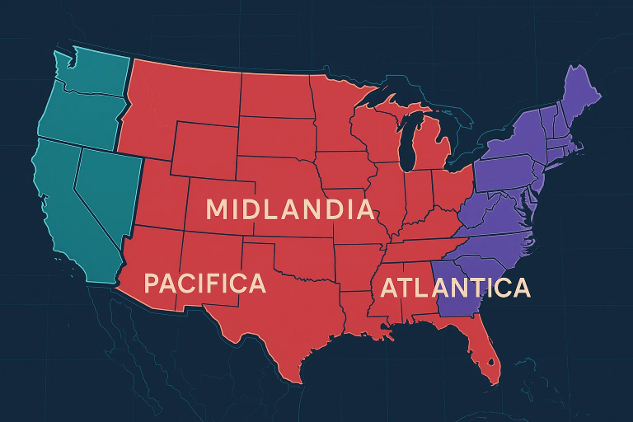
Imagine waking up one morning to discover that the United States no longer exists as a single nation. At first, it sounds like the stuff of dystopian fiction, but lately, even the word “breakup” has crept into political chatter.

America likes to think it buried eugenics with the Nazis, tucked it away with other embarrassments like leaded gasoline and segregation. But eugenics didn’t die. It rebranded. Today, it wears a suit, carries a briefcase, and calls itself “policy.” It votes in Congress, shows up at school board meetings, and even gives press conferences. It’s not about selective breeding anymore—it’s about selective survival.

The racial wealth gap in America is no accident, it’s a legacy of policies, practices, and attitudes stretching back generations. While the headlines focus on surface-level solutions, the real roots run deeper. Understanding racial wealth and its entrenched history is the first step to building a truly fair and inclusive economy.

We’re told the crime wave is on our doorstep , lurking in the alley, armed and dangerous, waiting for the chance to strike. But, every crime statistic has a backstory , and it’s not always about “bad people.” From the breadlines of the 1930s to today’s red-state crime surges, something bigger fuels desperation like dry timber feeds fire. The same leaders crying “law and order” are often the ones writing the rules that make communities unsafe in the first place.

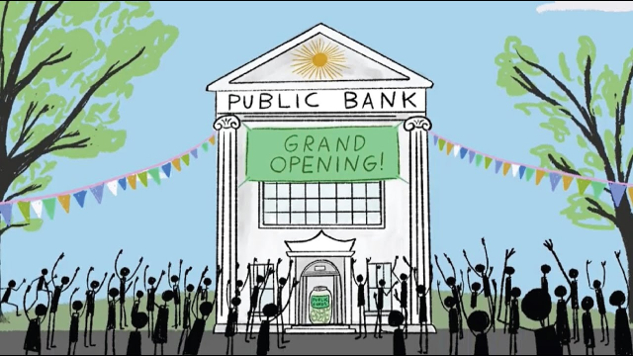
Public banking and community wealth are not abstract slogans. They are practical tools for lowering borrowing costs, funding the essentials politicians keep promising, and moving money back into local streets where it creates jobs and stability. This piece lays out what a public bank actually is, why states and cities are revisiting the model, and how you can press leaders to act without waiting another election cycle.