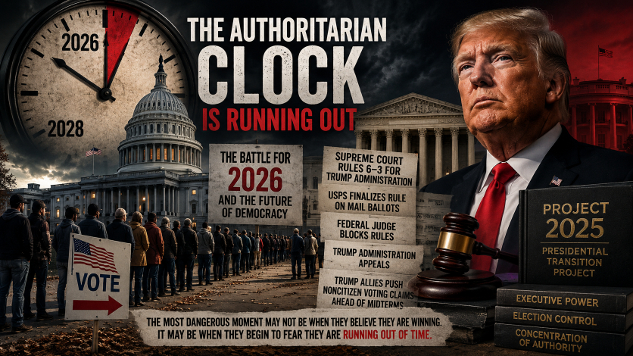
The Authoritarian Clock Is Running Out
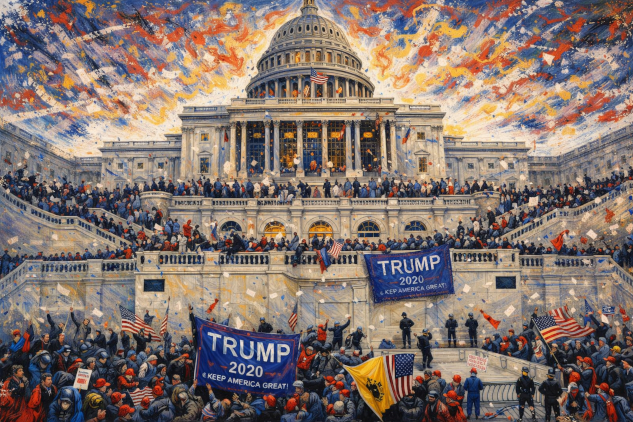
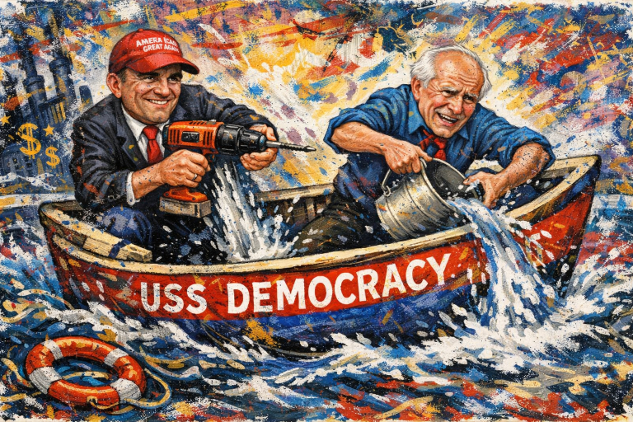
The most dangerous moment for American democracy may not come when those attempting to dismantle it believe they are winning. It may come when they begin to fear they are running...


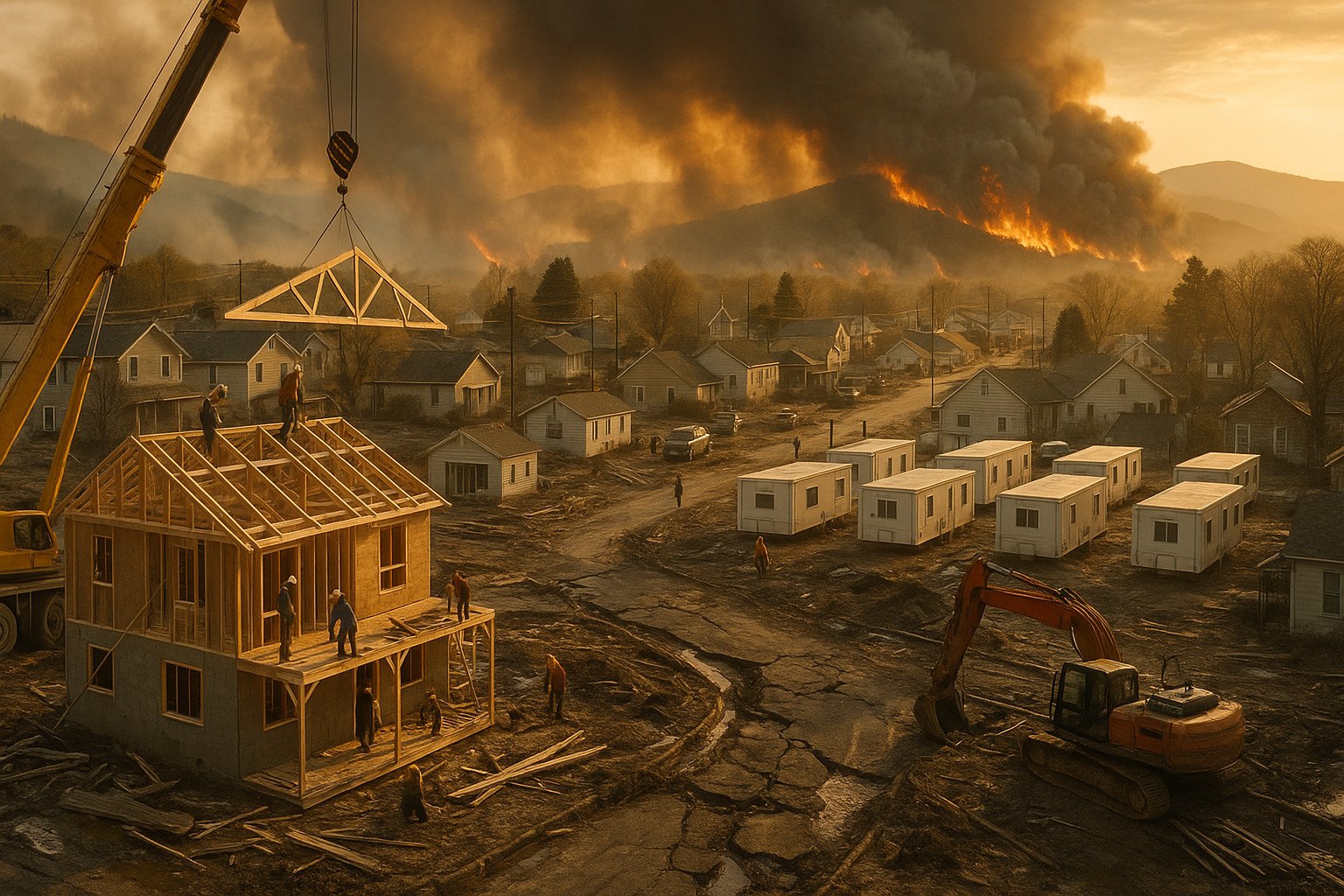
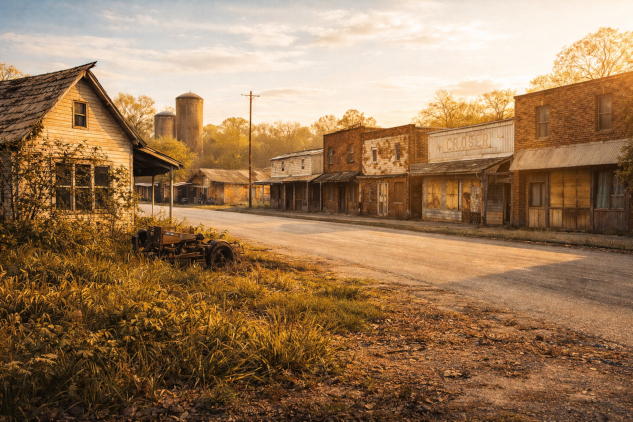
Rural America is losing its hospitals, its affordable housing, its farms, and its schools , not because of immigrants, not because of urban elites, and not because of woke ideology. It is losing them because of specific budget votes cast by specific legislators who then turn on Fox News and Newsmax to make sure you are angry at someone else before you can do the math. Fox News's own lawyers argued in federal court that their audience does not expect factual accuracy from their hosts. That entertainment product, engineered to generate outrage, is the single most important political force in rural America today. And it is working perfectly.

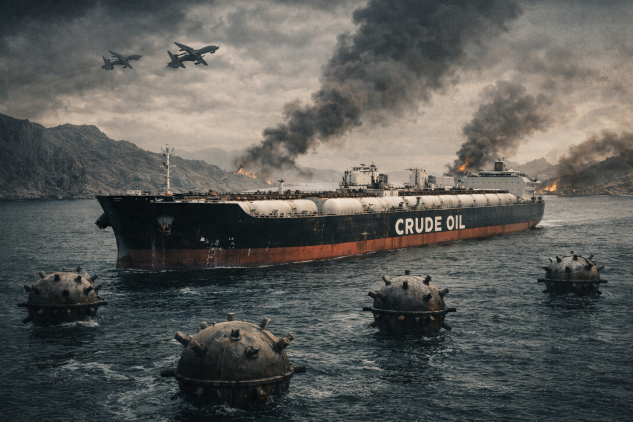
American warplanes have destroyed more than five thousand targets inside Iran. The Strait of Hormuz remains effectively closed. Oil is trading near two hundred dollars a barrel. And the administration in Washington is searching for a way to call this a victory. The Hormuz Vise is not a war the United States is losing in the traditional sense. It is a war that cannot be won the way Washington imagined it would be won, and the bill is arriving at every gas pump in America.

On June 28, 1914, a nineteen-year-old with a pistol shot Archduke Franz Ferdinand in Sarajevo. Six weeks later, the world was at war. The assassination did not cause the war by itself. The global system was already under stress , militarized alliances, imperial rivalries, wounded nationalisms all coiled together like a spring. The bullet was just the release mechanism. When the United States and Israel killed Iran's Supreme Leader, they may have pulled a trigger in a world that is, once again, already coiled.

A three-hundred-dollar solar panel that plugs into a wall outlet can begin cutting your electricity bill the same afternoon you unbox it. No permit. No installer. No roof work. More than a million of these systems are already running in Germany, sold in supermarkets alongside kitchen appliances. In the United States, the same technology is running into a wall of utility regulations that were designed for a different era — and the collision tells you everything about who really controls your electricity.

Everything that exists — the coral reef, the human body, the stable climate that made civilization possible — exists because of its limits. Not despite them. Because of them. That one idea, if you sit with it long enough, changes everything you think you know about growth, freedom, and what we've been doing to this planet for ten thousand years.

At 81, I have watched the country I put on a uniform for at 17 drift toward the very thing I was trained to fight. I have sounded this alarm for 26 years. I have felt dismissed, abandoned, and exhausted. And still my soul will not let me quit. This is not nostalgia. This is reconnaissance. And what I am seeing on the ground right now is the most serious threat to American democracy in my lifetime.

Exploring the concept of edge-dwelling reveals how viewing cultures and civilizations from their peripheries can enhance understanding and foster new visions. This perspective allows for clearer insights into internal dynamics and external possibilities, especially in the context of societal challenges and climate change.

Sun Tzu understood that strategic power operates best when it's invisible—winning without fighting, controlling without coercion, defeating opponents who never realize they're in a battle. His work wasn't about military conquest but about perception, positioning, and psychological advantage.

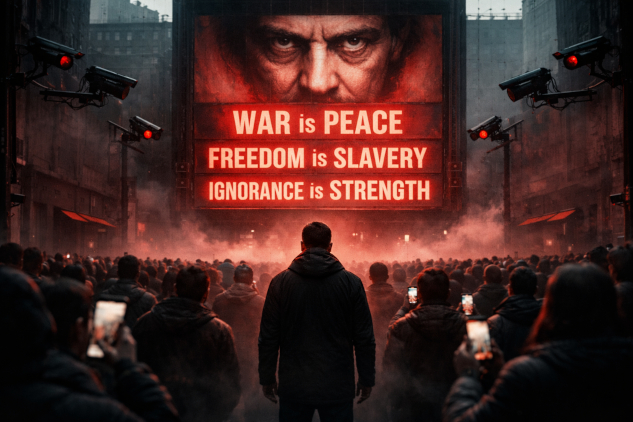
George Orwell documented how political control works through language manipulation, surveillance normalization, and the corruption of truth. His analysis was dismissed as dystopian fiction, yet modern institutions operate exactly as he described. Orwell understood that power doesn't need to convince people—it just needs to confuse them long enough that clarity becomes dangerous. We've crossed from reading Orwell as warning to experiencing him as instruction manual. The question is whether we notice before noticing becomes impossible.

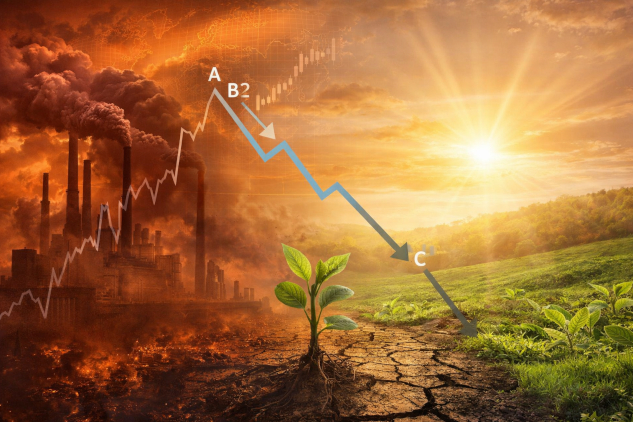
Most market analysts are asking the wrong question. They're debating whether we're in a bubble, scanning charts for the next 10% correction, arguing over Fed policy like it's the only variable that matters. Meanwhile, they're missing what might be the biggest structural shift since the steam engine changed everything. If this market peak is what it looks like, we're not just watching another bull market die. We're watching the slow-motion end of a 250-year experiment in pretending Earth's limits don't exist.

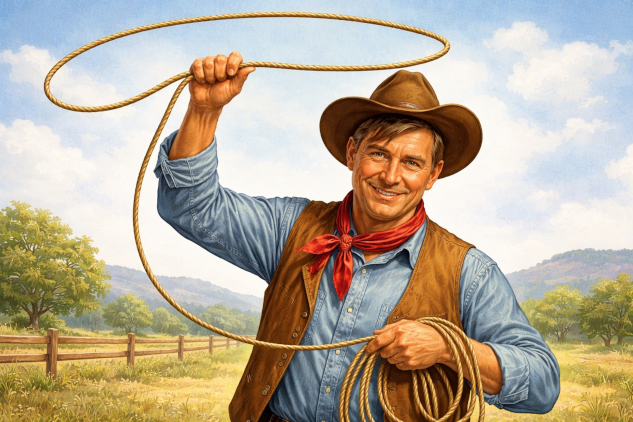
A cowboy philosopher who died in 1935 understood American politics better than most living analysts. Will Rogers wielded humor as surgery, not entertainment—cutting through corruption without killing hope. His political wisdom survived the Great Depression, multiple wars, and technological revolutions because he spoke to something deeper than ideology. In an age of manufactured outrage and tribal warfare, Will Rogers offers what we've lost: clarity without cruelty, skepticism without despair, and patriotism that tells the truth.

Presidential failure isn't an abstraction anymore—it's reshaping global power in real time while most Americans sleep through the alarm. As erratic leadership threatens allies and violates basic norms, countries worldwide are activating backup plans they built specifically for this moment. The siege America faces doesn't come from foreign armies. It comes from within: adolescent impulse meeting superpower capability while adversaries exploit the chaos with surgical precision.

When an Immigration and Customs Enforcement agent shot and killed Renee Nicole Good in Minneapolis on January 7, 2026, the Department of Justice had exactly one job: investigate whether a federal officer violated someone's constitutional rights. They chose silence instead. Not confusion. Not delay. Silence. That silence isn't bureaucratic incompetence—it's institutional abandonment of the one mechanism designed to prevent state violence from becoming state policy. History has seen this movie before, and it doesn't end with apologies.

You're working. Maybe two jobs. Maybe your spouse works too. You budget. You plan. You cut back. And still, by the end of the month, the numbers don't add up. Rent takes half your income. Groceries cost twenty percent more than last year. Your kid needs braces. The car needs fixing. Health insurance went up again. You're doing everything right, and you're still falling behind.

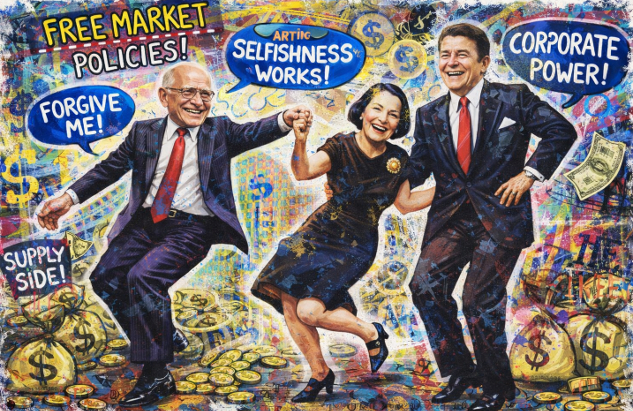
What's happening to independent publishers didn't start with Google. It didn't start with algorithms or AI or any particular piece of technology. It started in the 1980s when two deliberate policy changes rewired how American corporations operate. One killed the rules that kept monopolies from forming. The other changed how executives get paid. Together, they turned extraction into the most profitable corporate strategy in nearly every industry. Understanding this explains why airlines, banks, food companies, and tech platforms all consolidated the same way—and why forty years of both parties did nothing to stop it.

For thirty years, we published on the assumption that if you built something worth reading, people would find it. That assumption is now dead. Not because readers disappeared—they didn't. Not because quality stopped mattering—it still does. It died because the platforms that control discovery decided they could take the value without sending back the visitors. And then AI put that theft on steroids.

Americans aren't short on economic reform ideas—antitrust proposals, labor reforms, and platform regulation have existed for decades. Yet reforms repeatedly stall, weaken, or reverse. This isn't because ideas are bad. It's because two critical political preconditions have never existed. The extractive economy described in Parts 1-3 cannot be corrected through policy tweaks or better leadership. It can only be corrected after specific political conditions are met and a deliberate sequence of structural reforms follows.

Something feels off. Not catastrophically wrong—just persistently, exhaustingly not right. You work harder but get less. You follow the rules but fall further behind. You adapt and optimize and hustle, and the gap between effort and security just keeps widening. You're not imagining it. And it's not your fault.
Cultural shifts in meat consumption are underway as society begins to challenge the long-standing norms surrounding animal products in meals. This article explores how social norms can evolve through education and exposure to healthier, sustainable food choices, highlighting initiatives that aim to reduce reliance on meat and promote plant-based diets.

Women folk healers were branded as witches, yet much of their work was early community medicine grounded in observation, relationship, and nature. Their suppression helped turn health from a shared practice into a gated profession. Today, Indigenous wisdom and modern science point in the same direction again. If we want longer, better lives, we must become proactive stewards of balance rather than passive recipients of treatments.

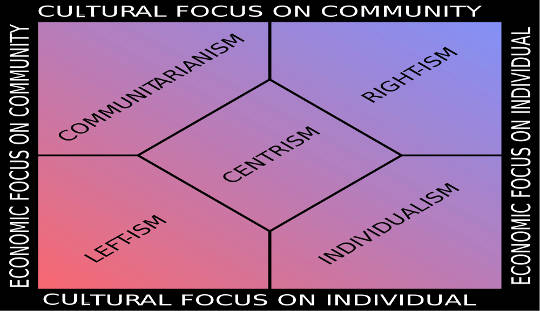
The contrasting worldviews in the U.S. highlight a significant divide in values, impacting family wellness and social outcomes. Research indicates that progressive values correlate with better health, education, and lower rates of child abuse, while conservative values often lead to detrimental effects on family stability and child welfare. Understanding these differences is crucial for fostering social wellness.