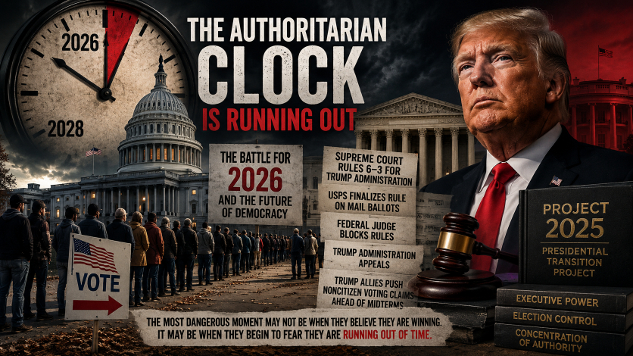
The Authoritarian Clock Is Running Out
The most dangerous moment for American democracy may not come when those attempting to dismantle it believe they are winning. It may come when they begin to fear they are running...

Disillusioned Bernie supporters face a critical choice in the upcoming election, as voting for third-party candidates could undermine the progressive movement. Emphasizing the need for strategic voting, the article argues that electing Hillary Clinton would have been essential to counteract the acute dangers posed by Donald Trump and foster a sustainable grassroots movement for change.

Many people desire basic needs like food, shelter, and love, yet millions struggle to fulfill them. By educating ourselves and engaging in small acts of kindness, individuals can help overcome barriers and make a meaningful impact in their communities. Each action, no matter how small, has the potential to lead to significant change.

In a world dominated by external influences, the need for authentic self-expression is critical. By fostering inner intention and breaking free from societal conditioning, individuals can reclaim their power and act in alignment with their true selves. This article explores the mechanisms for cultivating authenticity and the importance of filtering experiences for personal growth.

Simple living is gaining popularity as people seek fulfillment beyond consumerism. Influenced by historical figures like Socrates and John Woolman, modern enthusiasts are embracing a lifestyle that prioritizes meaningful experiences over material possessions. This shift is partly driven by economic pressures and a desire for less cluttered lives, focusing on relationships and personal growth.

The world is at a critical juncture, where a shift in consciousness can redirect efforts from profit-driven exploitation to true sustainability. Innovations in alternative energy, sustainable agriculture, and ecotourism can help nations like Ecuador move away from harmful resource extraction and towards a more sustainable future. This article explores the potential for a collective evolution in thinking and action.

Concerns about hazardous substances in clothing production are growing, with manufacturers increasingly scrutinizing their supply chains. Despite regulations on fabric content, many harmful chemicals remain unregulated. This article explores the environmental and health impacts of these substances, the industry's response, and the importance of consumer awareness in making sustainable choices.

Tariff impact on Chinese EVs is more than a trade skirmish; it’s a direct hit on consumers. By driving up costs and limiting affordable EV options, tariffs delay the clean energy transition and protect industry at the expense of everyday families. The truth is simple: Chinese EVs could have brought affordable mobility, but tariffs lock consumers into higher prices and fewer choices.

Educators and health communicators face significant challenges in bridging the digital divide affecting Latino populations in the U.S. This gap not only impacts academic achievement but also health care access, as many Latinos struggle with internet use and accessing online health resources. Addressing these disparities is crucial for improving health outcomes and ensuring equitable access to information.

The rise of partisan poll observers, as encouraged by political campaigns, raises concerns about voter intimidation and potential discrimination at polling places. With varying state laws allowing citizens to challenge voter eligibility, inexperienced observers may create confusion, disrupt the voting process, and disproportionately target minority voters, leading to longer wait times and fear among legitimate voters.

The article emphasizes the interconnectedness of humanity and the importance of balancing inner and outer work to serve the greater good. It advocates for sacred activism, combining spiritual wisdom with active service, and suggests community service as a rite of passage for youth. By giving of ourselves, we find joy and fulfillment, fostering a thriving and connected community.

Stand at the front door of any big supermarket and play a little game. Count the aisles of boxes and bags, then try to find the small strip of real food that depends on insects. If bees and their wild cousins keep fading, that strip shrinks and prices rise. This is not just about pretty butterflies. It is about dinner, health, and who gets left out when the bill comes due.

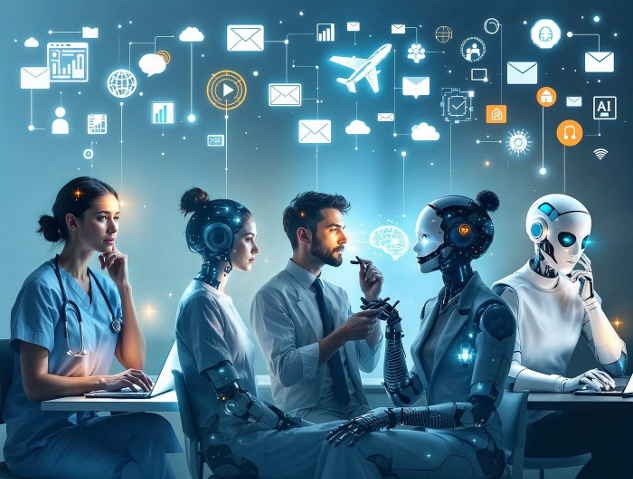
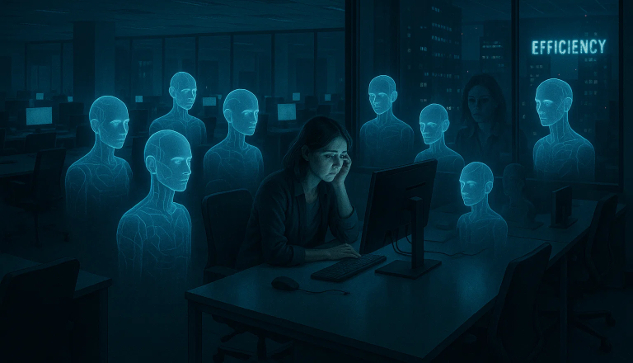
Target’s decision to cut 1,800 corporate roles lands like a starting gun, not a finish line. After years of pilots and promises, AI is finally crossing the office threshold and rearranging who does the work, how fast decisions get made, and which jobs even exist. This isn’t about store cashiers or warehouse robots. It’s the middle of the corporate chart, the people who translate numbers into action, that now sits squarely in the path of automation.

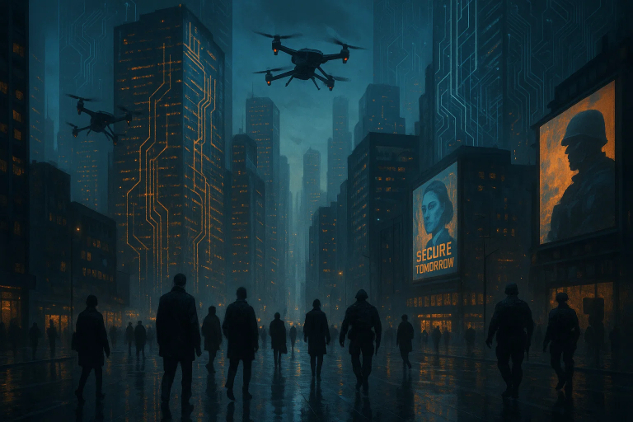
We tell ourselves the Cold War ended in 1991 when the Berlin Wall fell and the Soviet Union collapsed. We were wrong. The Cold War didn't end; it metastasized. The Iron Curtain didn't fall—it went corporate. What we're living through now isn't the aftermath of that conflict; it's the final act. The surveillance state, the propaganda machine, the merger of government and private power—these weren't defeated when communism fell. They were privatized, weaponized, and sold back to us as freedom.

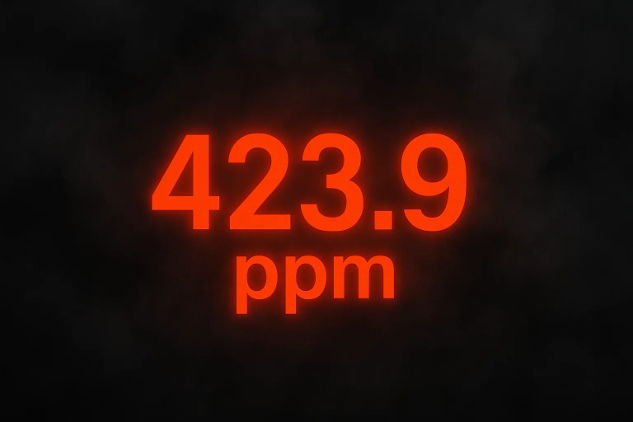
The number is 423.9. That’s the current concentration of carbon dioxide in the atmosphere—423.9 parts per million. On paper, it looks like a statistic. In reality, it’s a verdict. It says the planet isn’t broken. The system that runs it is.

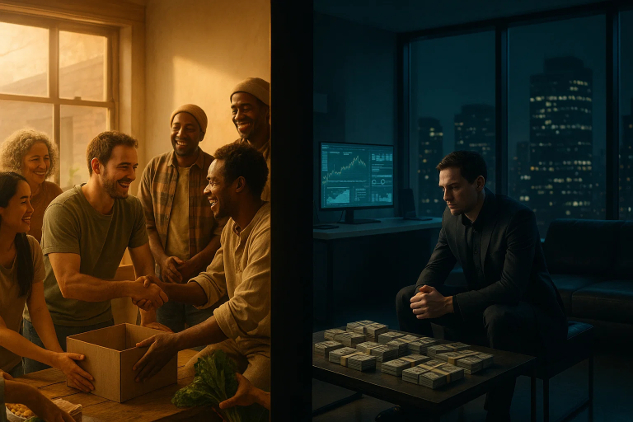
What if the fuel behind widening inequality isn’t just policy or markets, but a psychological gap—an inner disconnection that drives some people to grasp for money and status to soothe what they can’t name? This article examines how isolation begets power hunger, why that spills into social imbalance, and how empathy, kindness, and community can reverse the damage at scale and in our daily lives.

Everyone keeps saying AI will make us wildly productive. That might be true. But here is the part they whisper: productivity can rise without paychecks rising and without hiring surging. We could get faster workflows, cheaper services, and bigger profits while regular people juggle side gigs to keep up. This article lays out how that happens, why it is familiar, and what we can insist on changing.

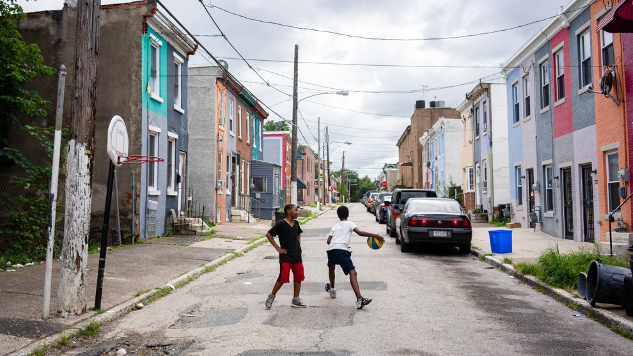
Your mind doesn’t float above the map. It lives on a street with cracks in the sidewalk or fresh paint on the crosswalk. It rides a bus that comes on time or doesn’t come at all. New evidence says neighborhood deprivation doesn’t just bruise pride; it raises the odds of a psychotic disorder. If we want fewer broken lives, we fix the block. Capacity first, then everything else.

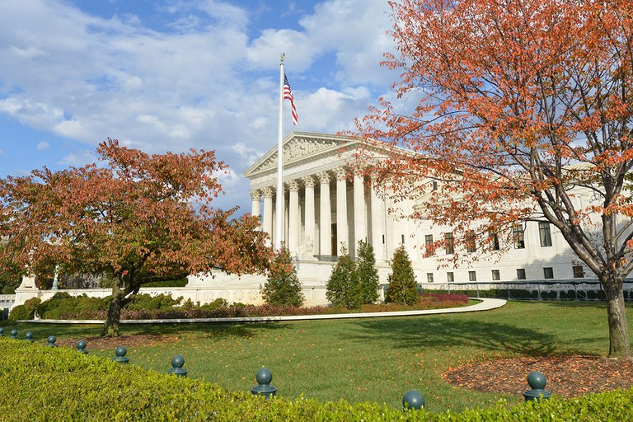
America’s highest court just opened a term packed with cases that could redraw the map of presidential power—tariffs by fiat, firing protections for independent officials, even birthright citizenship skirmishes. With Trump-era claims back on the docket and a conservative supermajority, the question is no longer abstract: can the unitary executive theory tilt the balance so far that checks and balances become decoration rather than guardrails?

Vaccine hesitancy is spreading faster than the diseases vaccines prevent, fueled by misinformation and mistrust. Yet history shows vaccines are among humanity’s greatest life-saving innovations. And with the rise of mRNA vaccines, the future of disease prevention looks even brighter. Here’s how we can protect our families, counter fear with science, and embrace a new era of public health.

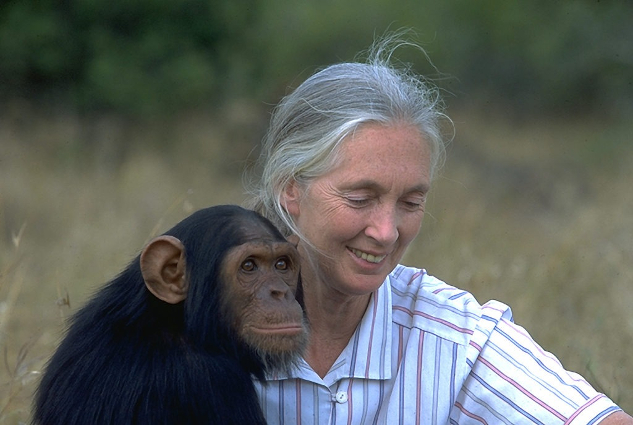
Jane Goodall didn’t just show us chimpanzees. She held up a mirror. By revealing empathy, culture, and family life in our closest relatives, she challenged the story we tell about ourselves—and invited us to live up to it. Here’s why her life’s work remains a blueprint for a more human future.

Every headline screams emergency, every scroll adds a fresh anxiety, and the word “crisis” feels like the background music of our lives. But is the world truly more unstable—or are attention economics, algorithmic amplifiers, and our wired nervous systems making normal turbulence feel like collapse? This essay separates signal from noise and offers a practical framework for staying informed without being consumed, pairing clear-eyed metrics with daily habits that restore perspective and agency.